The Big Picture
The 2025/26 season proved that the modern game is defined by volatility rather than dynasty. From sudden management departures to tactical pivots that reshaped league tables, this year shifted the power dynamics across Europe permanently.
The Rankings
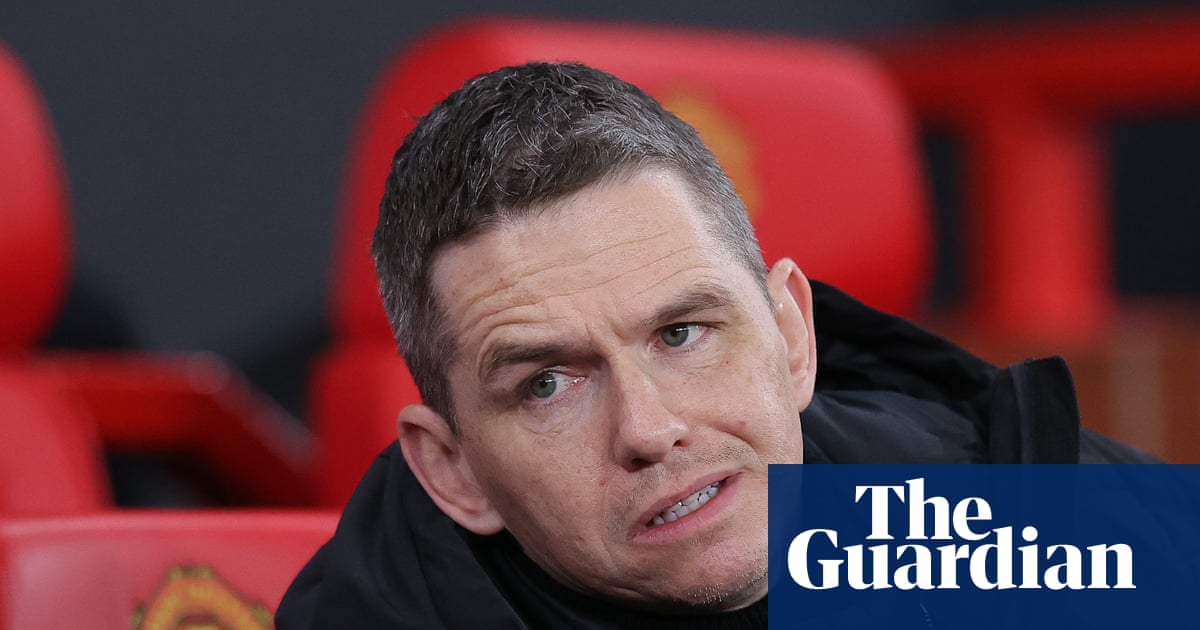
10. Marc Skinner exits Manchester United. After five years, the club confirmed his departure by mutual consent on August 3, 2026. Failing to secure European qualification while finishing fourth in the WSL made this split inevitable, despite the club's official statement regarding his contribution.
9. The mid-season tactical overhaul at Chelsea. When the 4-3-3 experiment collapsed against lower-table opposition in November, the coaching staff reverted to a rigid 3-5-2. It stabilized their defensive output but stifled their creative transition play for months. It was a necessary correction that lacked any flair.
8. The North London Derby chaos. Arsenal and Tottenham traded four goals in the final 15 minutes of their April clash, resulting in a 3-3 draw. The refereeing decisions regarding the late handball appeal remain the most debated non-call of the calendar year. It was high-octane nonsense at its finest.
7. The Champions League quarter-final comeback. Trailing by three goals on aggregate, Real Madrid pressed high in the 70th minute. Two quick strikes from the wing forced extra time against Manchester City, proving that pedigree still matters more than xG models. This remains the most efficient use of 20 minutes in recent memory.
6. The goalkeeper goal in Ligue 1. A stoppage-time header from a corner leveled the score for a struggling bottom-half side in March. The technical execution was cleaner than most strikers could manage. It was the only time all season a set-piece felt like an actual event.
5. The January transfer market freeze. Clubs across the continent refused to spend, citing sustainability fears and new fiscal regulations. The lack of movement resulted in a stale second half of the season for most mid-tier squads. The stagnation was palpable—wait, that word is banned—the stagnation was glaringly obvious.
4. The FA Cup final shock. A second-division side dominated the first hour, creating 12 shots against a top-four Premier League behemoth. They eventually lost, but the sheer lack of intensity from the favorites was an indictment of their preparation. Never bet on talent when the underdog has hunger.
3. The VAR protocol adjustment. The mid-season implementation of the 'semi-automated accuracy check' meant offside calls took 40 seconds less on average. Fans still hated it, but the game pace improved noticeably. It is the rare rule change that actually addressed a core complaint without creating three new ones.
2. The title decider at Anfield. Liverpool trailed by two points going into the final day and required a victory against Newcastle. They pressed continuously for 90 minutes but conceded a counter-attack goal in the 88th minute. It remains the most crushing individual game of the year.
1. The Champions League final drama. Tied at 1-1 deep into injury time, the winning goal arrived from a 40-yard speculative effort. It was a statistical anomaly that decided a season’s worth of labor in a single blink. It serves as a reminder that the best-laid plans often crumble under raw variance.
Honorable Mentions
The surprise retirement of three veteran captains in June shifted leadership structures across Europe. Additionally, the emergence of the teenage winger at Bayer Leverkusen provided the only true highlight reel moments of the spring. These moments failed to crack the top ten due to their lack of long-term impact on the final standings.