
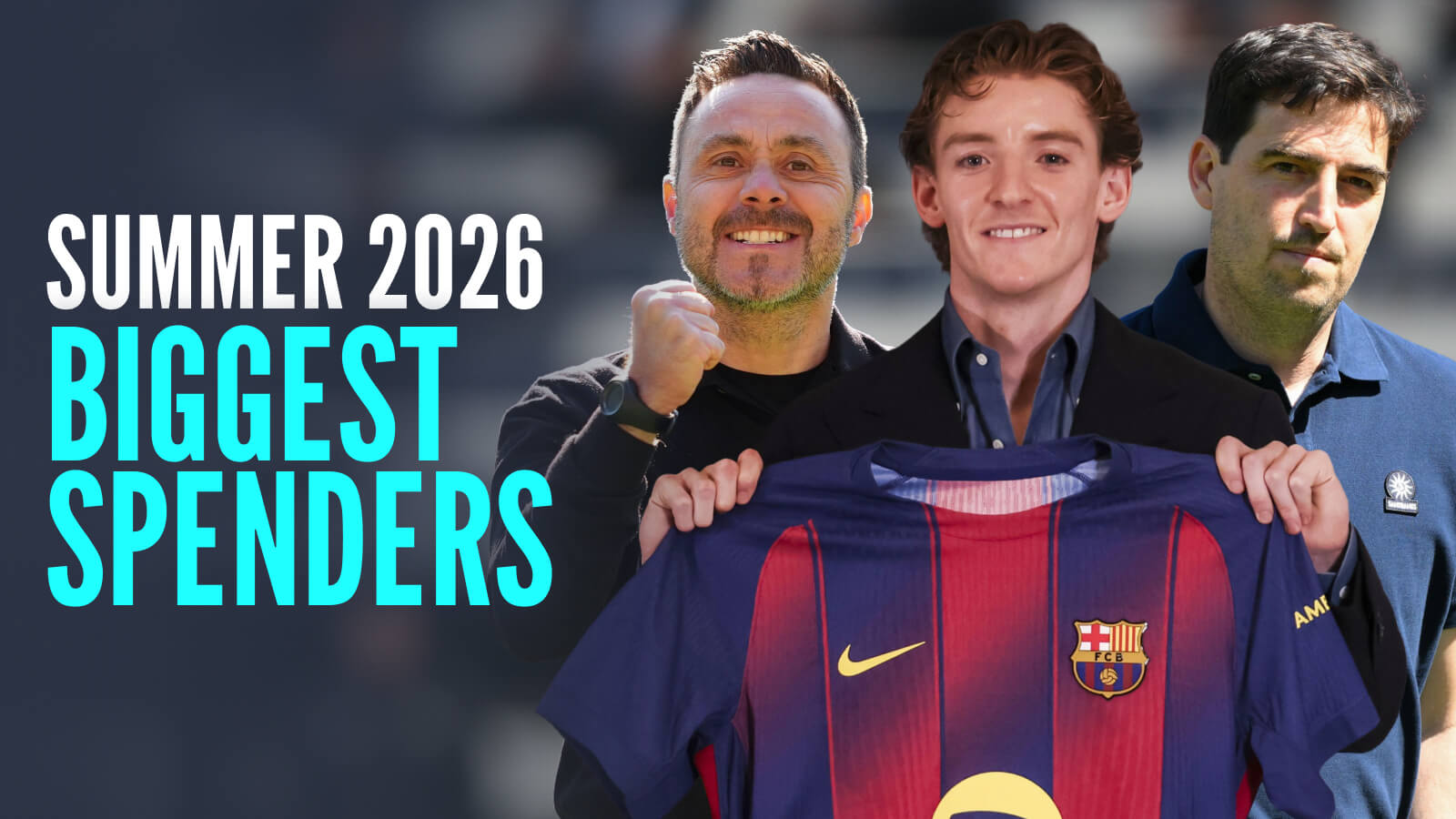
The Market Dynamics of Summer 2026
The 2026 summer transfer window is defined by a massive shift in financial power among the Premier League elite. Clubs are aggressively reshaping rosters to combat stagnant cycles, prioritizing high-ceiling gambles over safe investments.
1. Chelsea’s Spending Spree
Chelsea has officially overtaken Tottenham as the biggest spenders this summer, as noted by Football365. Their decision to outspend every other English club highlights a desperate need for tactical cohesion after a disjointed previous campaign. Spending at this volume is inherently risky given the PSR constraints looming over every major side. They occupy the top spot because they are essentially buying a new starting eleven instead of fixing existing gaps.
2. The Jack Grealish Exit Strategy
Jack Grealish is currently the most prominent figure in the rumor mill as he looks to escape Manchester City. With his absence from the current pre-season training, his market value is plummeting due to persistent injury concerns. Atlético Madrid offers a tactical refuge, but his former homes at Villa and Everton are also circling. This move is ranked highly because it represents a total collapse of a high-profile transfer project.
3. Tottenham’s Pivot to Victor Osimhen
Tottenham has shifted its focus to Victor Osimhen as a primary target to solidify their attack. This is a clear attempt to move on from the inconsistency that haunted their previous league finish. Securing a striker of his caliber would signal a shift in ambition, yet the price tag remains a point of contention. Failure to land him would be a significant black mark on their recruitment department this summer.
4. Cody Gakpo’s Premier League Interest
Spurs are also monitoring Cody Gakpo alongside their Osimhen pursuit. His ability to drift across the front line makes him an ideal tactical weapon for a system needing versatility. However, pursuing multiple high-cost targets is often a sign of a lack of clear direction. Ranking him here reflects the high interest, yet the skepticism regarding the club’s ability to close such high-profile deals persists.
5. Aston Villa’s Grealish Nostalgia
Aston Villa remains a secondary option for Grealish, creating a narrative that captures the sentimentality of the market. While a homecoming would be a fan favorite, it risks anchoring the team to a player whose best years are arguably behind him. This move represents a trap for clubs prioritizing nostalgia over actual statistical output. Villa should be aiming for younger talent rather than reviving the past.
6. The Everton Loan Dilemma
Everton is considering a permanent move for Grealish following his loan stint last season. This is a critical error in judgment if they commit long-term wages to a player who struggled to stay on the pitch. They need reliable impact players, not expensive reclamation projects. Their involvement in this race suggests a lack of scouts looking beyond the headline names.
7. The Manchester City Roster Purge
Manchester City is clearly moving on from underperforming assets, starting with the Grealish situation. They are aggressive in trimming a squad that grew too comfortable, a necessary step for any juggernaut. While selling is vital, failing to replace these players with equivalent talent will leave their depth chart dangerously thin. Expect more exits before the window closes.
8. Premier League Spending Dominance
Seven of the ten biggest spenders are from the Premier League, reinforcing the financial gap between them and the rest of Europe. This level of spending makes the competition for European spots increasingly toxic for mid-table sides. It is a hollow victory for clubs that ignore academy products in favor of external, high-cost buys. Such a strategy ignores long-term health for short-term fixes.
9. The Impact of Transfer Gossip
As discussed on Football Weekly, the nature of transfer rumors has evolved into a cyclical feedback loop. Fans now obsess over daily updates as if they were live match events. This manufactured tension keeps engagement high, even when the actual probability of a transfer is near zero. It is exhausting, yet necessary for the modern media apparatus.
10. The Talent Gap Reality
Clubs are finding that money cannot buy an immediate winning identity. The current market is littered with teams spending over $100 million on players who fail to adapt. Until clubs stop ignoring their tactical deficiencies, these high-priced transfers will continue to underperform. This lack of foresight is the defining failure of the 2026 summer window.
The Big Picture
The 2026 window is defined by a frantic attempt to manufacture success through raw financial volume. Clubs are overpaying for aging stars while neglecting the development of home-grown talent, creating a volatile environment where one bad deal ruins a season.
Honorable Mentions
The continued speculation surrounding secondary strikers and the general stagnation of the mid-market remains a point of interest for analysts who track the influence of data models on recruitment decisions.