The Tactical Shift in Serie A
La Gazzetta dello Sport remains the gold standard for dissecting the Serie A tactical board. Their recent deep dives into the managerial transition periods at AC Milan and Inter reveal a league in flux. We are tracking a major shift in philosophy as veterans face exit doors and young profiles dominate the news cycle.
1. The Amorim-Chivu Tactical Duel
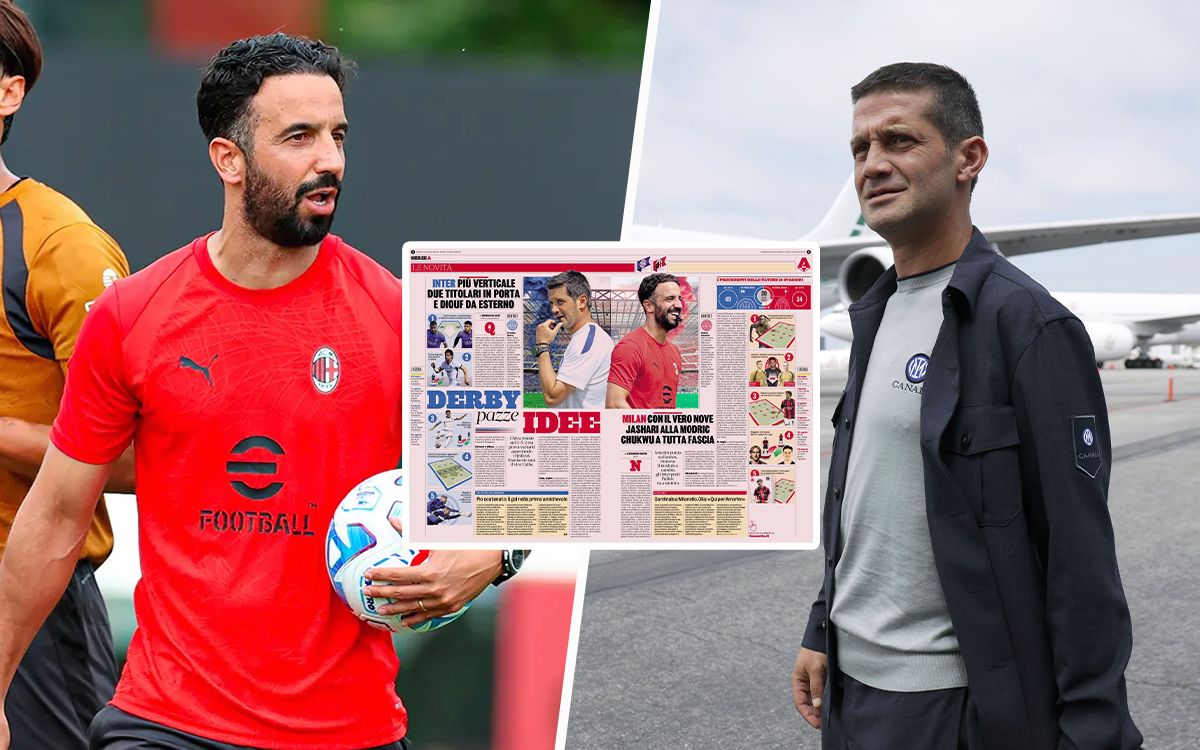
The Derby of crazy ideas represents the pinnacle of modern Italian analysis. Gazzetta highlights how Ruben Amorim and Cristian Chivu are moving away from traditional rigid formations. This is not about classic 4-4-2 setups anymore; it is about fluid rotation in the final third.
By prioritizing flexible attacking triggers, both managers force defenders to make impossible choices. It ranks first because it defines the current state of Italian coaching. Tactical evolution is the only way for these clubs to stay relevant against English and Spanish spending power.
2. The Jashari Integration Strategy
Amorim has clearly signaled his intent to pivot toward younger legs. Gazzetta reports a concrete plan for Jashari, moving him into a central role far sooner than pundits expected. This is a clear signal that the old guard is being phased out in real-time.
Ignoring traditional seniority often backfires in Milanese locker rooms, but the talent gap makes this move necessary. If Jashari adapts to the high-intensity press requested by his manager, this will be the steal of the 2026 window. It ranks second for its sheer audacity in a conservative league.
3. The Allegri Men Under the Microscope
Four key figures associated with the Massimiliano Allegri era are now fighting for their professional lives. As La Gazzetta dello Sport details, their status is officially pending. This audit of talent is critical for squad balance.
This ranks third because it presents a major potential flaw in the current strategy. Keeping players who only thrive in specific tactical systems can anchor a team to the past. Failure to trim the fat could render the new coaching vision toothless by October.
4. Modric’s Renewed Role
Luka Modric shows no signs of slowing down, and the latest reports confirm his renewal is not a point of contention. Gazzetta frames this as a veteran mentorship move rather than pure reliance on his physical output. It provides a transition buffer for the squad while newer midfielders adjust to top-flight demands.
Retaining a leader of this magnitude prevents a total vacuum of experience on the pitch. Rankings this highly because veteran IQ is the one commodity young squads cannot buy, regardless of budget. He remains the glue for the 2026 campaign.
5. The Defensive Rebuild
Defensive transition is the hidden story of the summer. Gazzetta notes that the focus on high-line pressing creates massive holes if the midfield tracking lags even slightly. It is a high-risk approach for a league traditionally rooted in defensive solidity.
The shift represents a fundamental change from the Catenaccio-lite styles seen in years past. When it works, it creates a suffocating environment for opponents. When it fails, it invites 30-yard counter-attacks that the goalkeeper cannot stop.
6. Squad Depth Challenges
Gazzetta points out that the thinning of the squad is not without risk. While pruning deadwood is smart, the talent pipeline needs to be 100% reliable. Injuries will test the reliance on youth across the long 38-game schedule.
Ranking sixth because depth is the silent killer of title aspirations. Over-relying on U21 prospects is a gamble that usually results in a mid-table finish if form dips in December. Management needs to be prepared to spend if the results dry up.
7. The Economic Discipline
Strategy in 2026 isn't just about formations; it is about wage caps. Gazzetta frequently returns to the idea that the era of overspending is dead. The plan for Jashari fits within this model of buying low and developing high.
This ranks seventh because financial health is the invisible foundation of the league. Without it, the on-pitch ideas of Amorim and Chivu cannot be realized long-term. Accountability matters more now than ever before.
8. Tactical Versatility
The transition to multi-positional roles is a recurring theme in the latest GdS features. Players are expected to cover two roles simultaneously, a demand that has seen certain veterans struggle in training sessions. It is a demanding, high-RPM output style.
Ranking eighth because tactical versatility is currently limited by existing player profiles. Not every veteran can evolve into a hybrid role overnight. There is a high probability of tactical dissonance during the opening weeks.
9. Managerial Patience
Public scrutiny is climbing fast as preseason results begin to trickle in. Gazzetta notes that the patience of the hierarchy is not infinite. Any significant losing streak in September will accelerate the pressure on new staff.
Ranking ninth because the Italian media cycle is notoriously unforgiving. Coaches get no time to breathe if the results do not mirror the lofty ambitions of the fans. The margin for error is razor-thin.
10. The Scouting Network
Finally, we have to look at the recruitment data GdS has been surfacing. The move for Jashari proves the club is scouting outside the typical 'safe' zones of Europe. This marks a departure from the reliance on Serie A veterans.
Ranking tenth because it is a long-term play. It does not solve the matchday problems in July, but it is the right direction for the organization. Consistency here is the last piece of the puzzle.
Honorable Mentions
The evolving role of backup goalkeepers as ball-playing outlets and the reduced influence of set-piece specialists were mentioned as secondary factors in recent Gazzetta coverage. The upcoming squad fitness report, which typically arrives in August, could shift these rankings significantly by providing a clearer picture of injuries.