
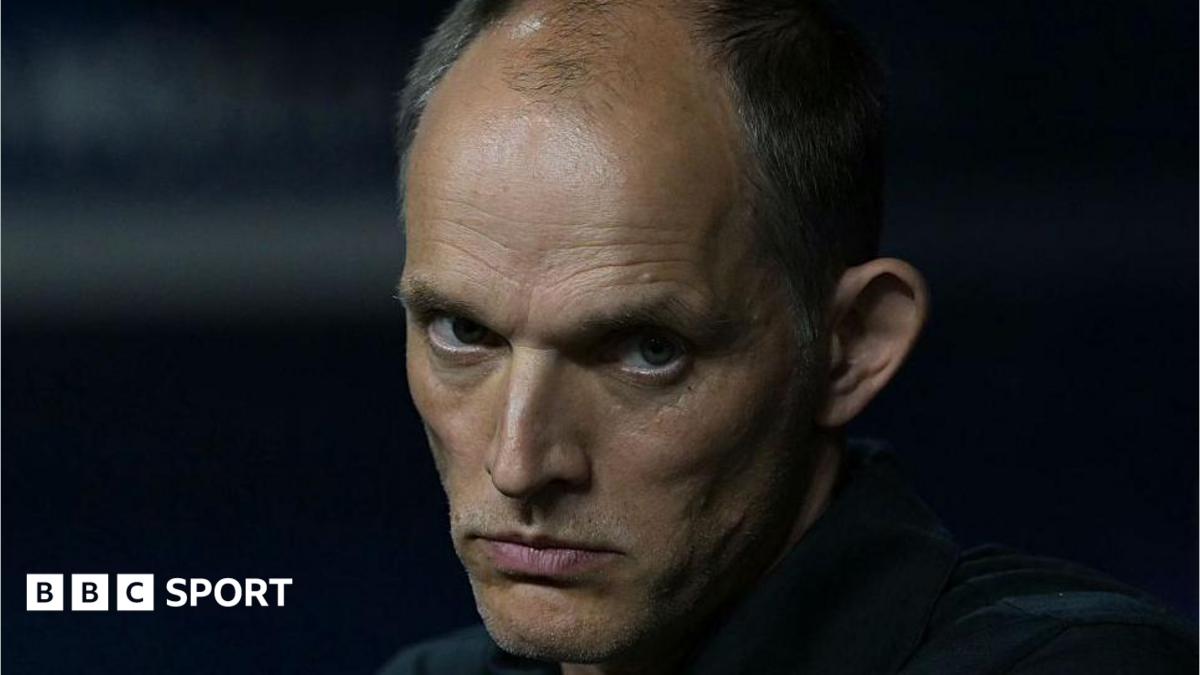
The fallout from the World Cup semi-final
England manager Thomas Tuchel is navigating the fallout of a World Cup semi-final exit that has left the Football Association and its supporters recalibrating their expectations for the next cycle. Despite the noise surrounding his tactical approach, the prevailing sentiment from insiders suggests Tuchel remains committed to the post.
As Alan Shearer recently noted, the criticism directed at Tuchel after the tournament failure has been sharp but likely insufficient to derail his tenure. The defeat in the final four served as an abrupt stop for a squad that many felt was peaking at the right moment.
Evaluating the recovery timeline
The injury report for the England squad remains thin as the team enters a transition period, but the attrition rate coming out of the tournament is notable. Several squad members are dealing with fatigue-related soft tissue issues, though no long-term absences have been officially confirmed by the medical staff at St. George’s Park.
Medical experts are monitoring key midfielders who logged heavy minutes throughout the tournament. Should their recovery not proceed as expected, the upcoming international friendlies in late September will force Tuchel to rely on depth that has previously been untested at the senior level.
Strategic implications for the FA
The FA faces a delicate balancing act. Moving on from a manager immediately following a high-stakes semi-final defeat is rare unless the performance issues indicate a total loss of the dressing room. Tuchel faces no such accusation.
Historically, the England manager position has been defined by extreme volatility, with tenures rarely extending past a single tournament cycle if results fall short of expectations. The decision to keep Tuchel signals a shift toward continuity, provided the team can demonstrate structural adjustments before the next qualifying block.
The criticism cycle
Tuchel’s struggle to bridge the gap between high-level club coaching and the specific demands of international tournament football has been the constant narrative. His reliance on rigid defensive structures at times stifled the creative potential of his attacking wingers, a point that continues to be debated in analysis circles.
Failing to secure a spot in the final remains a negative mark on his record. If he cannot adapt his approach to include more fluid offensive rotations, the scrutiny will intensify as the qualifiers for the next major tournament begin. One clear flaw is the disconnect between the manager’s tactical preferences and the individual dynamism of his starting XI, which has been unevenly managed across the last six matches.
Looking toward the autumn window
With the dust settling on the World Cup, the primary focus for the backroom staff is identifying the players who need a complete physical reset. If the key starters do not return to their primary clubs at full fitness, the friction between TKO-influenced scheduling and international requirements will remain a flashpoint.
The current objective is clear: maintain the core group while integrating fringe talents who can provide pace in the final third. The upcoming schedule will provide the first look at whether the tactical evolution promised in the aftermath of the defeat is genuine or merely defensive posturing from a manager under pressure.
While the board has provided backing, the margin for error has shrunk. Any repeat of the tactical stagnation observed in the knockout stages likely marks the terminal point of this project. Success in the upcoming qualifiers is the minimum requirement for job security.





