The Myth of the Springfield Prophecy and the Reality of Aguirre’s Block
Only one goal conceded in 360 minutes of football is the defining statistic of Mexico's 2026 World Cup campaign, drawing a sharp contrast to the viral internet rumors claiming The Simpsons predicted their final run. As Mirror Football reported, this hoax stems from a November 1997 episode depicting a fictional match against Portugal. Yet, while the internet laughs at a cartoon, Thomas Tuchel is facing a real tactical nightmare against Javier Aguirre's highly disciplined side.
The host nation topped Group A with a perfect record of nine points before dismantling Ecuador 2-0 in the Round of 32. Following an opening 2-0 win over South Africa, Aguirre secured a compact 1-0 victory against South Korea and a 3-0 thrashing of the Czech Republic to establish an airtight system. If England expect to coast into the quarter-finals, they are ignoring the cold data behind Mexico's defensive efficiency.
Aguirre has deployed a disciplined 4-4-2 mid-block that focuses on vertical compaction. During the group stage, Mexico allowed their opponents an average of just 8.4 passes before initiating a defensive action (PPDA), demonstrating a controlled press that does not leave space behind. This approach has stifled creative midfielders, limiting South Korea and the Czech Republic to a combined total of just five shots on target by forcing opponents into low-value shots from distance.
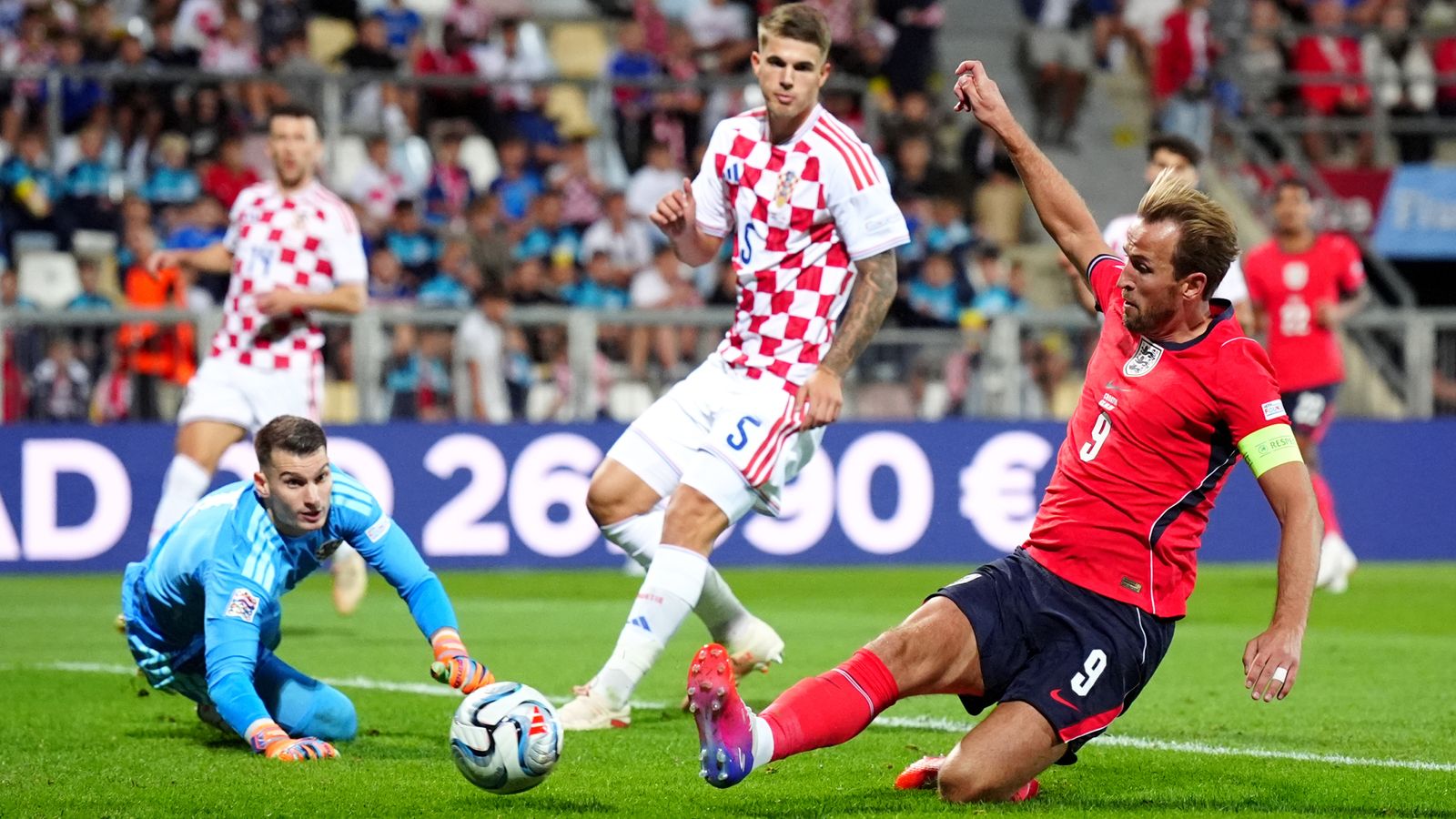
The statistical contrast between Mexico's defensive rigidity and England's structural vulnerability is stark. Aguirre's Mexico has kept four consecutive clean sheets against decent opposition. In contrast, England's defense looked fragile when conceding two first-half goals to Croatia and getting repeatedly carved open by DR Congo.
The Azteca Factor: Altitude and High-Intensity Drop-offs
The choice of venue for this Round of 16 clash introduces a physical variable that England cannot simulate, with kick-off scheduled at the Estadio Azteca in Mexico City at an altitude of 2,240 meters. The oxygen is thin. At this elevation, the partial pressure of oxygen is approximately 25% lower than at sea level, directly impacting aerobic performance.
Sports science data from previous fixtures at high altitude indicates that unacclimatized squads suffer a measurable drop in physical output. Specifically, visiting teams experience an average of a 15% decline in high-intensity sprints during the final half-hour of play. If England attempt to maintain their standard press, they risk running out of gas by the 60-minute mark and exposing their defensive transition to Aguirre's vertical counters.
Furthermore, the thinner air alters the ball's aerodynamics, reducing drag so that long passes travel faster and further with less spin. During England's group stage matches, they averaged 52 long ball attempts per game, but at the Azteca, these diagonal passes will travel with roughly 8% more speed, making them significantly harder to control. England's technical execution must be flawless to prevent turnovers in dangerous areas.
Acclimatization is a slow physiological process that cannot be rushed. The Three Lions arrived at their high-altitude base only four days before kickoff. Mexico's squad, containing several domestic Liga MX players, has been training in these conditions for weeks, creating a physical gap that could decide the match in the latter stages.
England's Sluggish Progression and the Kane Dependency
While Mexico has progressed smoothly, England's path to the Round of 16 has been fraught with structural issues under Thomas Tuchel. After a chaotic 4-2 victory over Croatia, a sterile 0-0 draw against Ghana and a labored 2-0 win over Panama exposed a side struggling for identity. The tactical flexibility that Tuchel was expected to bring has instead looked like administrative confusion.
In the Round of 32, England squeaked past DR Congo with a 2-1 victory, rescued only by a late brace from Harry Kane in the 75th and 86th minutes. The metrics are damning. Tuchel's side registered a modest 1.84 xG against an opponent they should have dominated, masking a lack of service throughout the match.
By comparison, DR Congo accumulated 1.12 xG and frequently exposed England's central midfield pairing of Declan Rice and Conor Gallagher on the counter-attack. Rice, in particular, has looked isolated, covering 12.4 kilometers per match but winning only 42% of his ground duels. England's ball progression has also slowed down significantly under Tuchel, taking an average of 14.2 seconds to transition the ball into the final third.
Kane's goals have accounted for 62.5% of England's total output in the tournament, scoring five of their eight goals. This reliance is a double-edged sword; if Mexico can isolate Kane, England's attacking threat drops off a cliff. Saka and Bellingham must find ways to contribute to the scoresheet to relieve the burden on their captain.
The Tactical Triggers: Where the Match Will Be Won or Lost
To break down Mexico's defensive shape, Tuchel must address the space between Mexico's midfield and defensive lines. In their Round of 32 win against Ecuador, Mexico's center-backs maintained a gap of no more than 12 meters from their central midfielders, forcing opponents wide to be pinned against the touchline. England's primary objective must be to drag Edson Álvarez out of this central anchor role to create space for Jude Bellingham.
However, Mexico's threat is not purely defensive. Under Aguirre, they have developed a highly efficient vertical transition where Luis Chávez immediately looks for the run of Santiago Giménez. If John Stones or Marc Guéhi step up too high to contest these long clearances, Giménez has the pace to exploit the space behind them.
Tuchel's refusal to rotate his squad could also prove to be a major flaw in these conditions. England have used the fewest players of any major nation in the tournament so far, relying on a core of 13 players for 90% of their total minutes. Facing a highly motivated Mexican side in front of 87,000 hostile fans at the Azteca is a grueling task, and failure to utilize the bench early could allow Mexico's home advantage to carry them through.
Ultimately, this match will be decided by whether Tuchel can adapt his tactical blueprint to the physical constraints of the Azteca. If England continue to play slow, horizontal possession, they will walk directly into Aguirre's trap. It is time for Tuchel to show why he was hired, or England's World Cup dream will end in the altitude of Mexico City.
Read Next
- Tuchel's tactical geometry is about to clash with the Azteca heat
- Tuchel must slow the game down if England are to survive the Azteca
- Why Mexico will exploit Thomas Tuchel's right-back crisis at the Azteca
- Thomas Tuchel is taking a massive tactical risk with Declan Rice at the Azteca
- 🏆 World Cup 2026 — Full Coverage Hub
- 🏴 England World Cup 2026 — Three Lions Hub
- 🇲🇽 Mexico World Cup 2026 — El Tri Hub