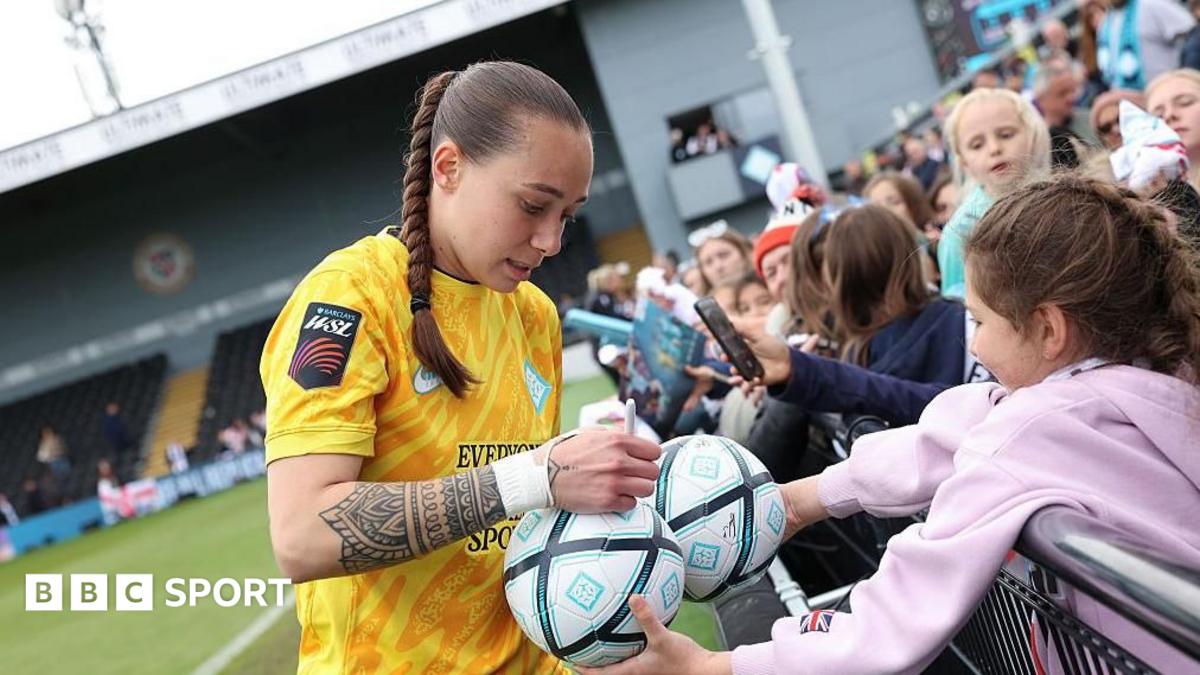
Broken ticket portals and the stadium gap
The Women’s Super League is officially at a pivot point. Attendance figures are climbing, and the Lionesses have turned national interest into a consistent draw for neutral observers. Yet, as detailed by BBC Sport, the actual matchday logistics remain stuck in neutral. Fans are hitting a wall of clunky ticket platforms that seem built for 2010.
Stadium selection continues to be the biggest self-inflicted wound. Moving matches to cavernous, half-empty venues kills the atmosphere. It forces a sterile environment where the energy of a sold-out local ground is traded for the optics of a Premier League house that isn't actually full.
The infrastructure disconnect
Communication between clubs and core supporters is disjointed. Fans are reporting that basic upgrades, like improved catering flow or reliable transport links at newer venues, aren't moving at the pace of market growth. When you lose 20 minutes of the first half standing in a queue for a cold pie, you lose the casual audience’s intent to return.
Pricing models are also creating friction. While the affordability of tickets is a massive win, the secondary costs of attending — program sales, merchandise in small stadium shops, and restricted away-end capacity — are becoming a deterrent. If clubs spent as much time auditing their ticket UI as they do on their marketing campaigns, attendance would spike by a predictable margin.
Predicting the mid-term trajectory
Attendance trends will plateau unless we see a shift in stadium strategy. The league cannot rely on major tournament momentum forever. By the end of the 2026 season, I predict at least three major clubs will scale back their stadium sizes to prioritize localized, sold-out venues. It is the only way to retain the authentic club culture that casual stadium tourism ignores.
The current state of logistics is a drag, but the talent on the pitch will keep the lights on for another cycle. Expect the FA to push for mandatory digitized, unified ticketing by the 2027 season to solve the current fragmentation. If they miss that 2027 target, the growth curve will flatten significantly. The attendance growth rate, which sits near 14 percent year-over-year, requires professionalized ops, not just star power.