The math behind the madness
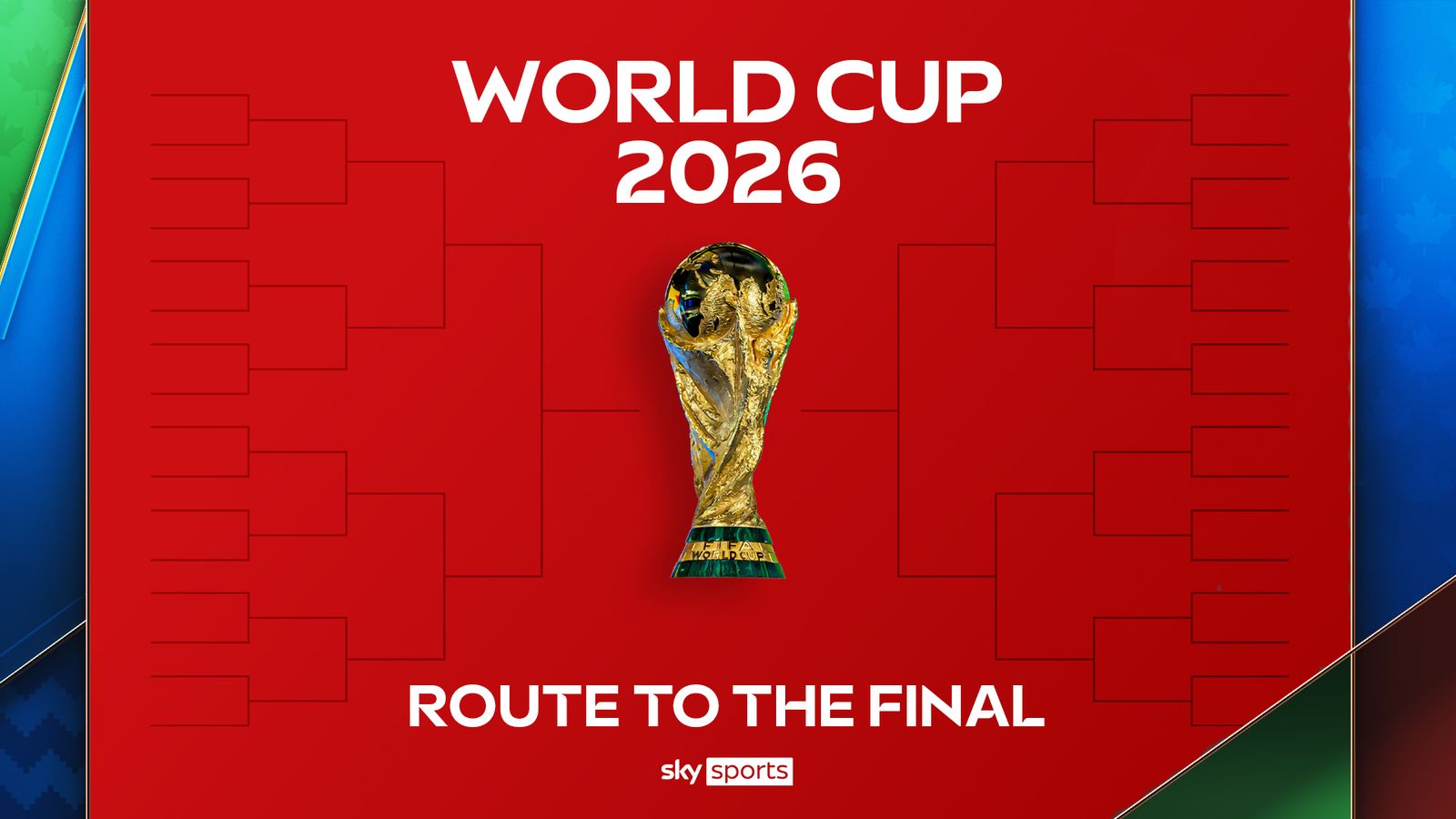
The group stage of the 2026 World Cup has been a frantic exercise in defensive attrition. We have reached the final matchdays, and the math governing the Round of 32 is starting to clarify. As outlined by Sky Sports, the expansion to 48 teams has created a bracket that rewards consistency over raw talent. With 32 teams advancing, even a draw can be the difference between a favorable path to the quarter-finals and a collision with the tournament heavyweights.
Tactically, the expanded format has forced managers into a cautious shell. We see far fewer high-pressing setups in the second half of games. Most squads are prioritizing the 0.05 xG defensive structure over chasing a winner. This has led to a stagnation in transition play that the older, more compact formats never tolerated. If your team cannot break a low block, these knockout stages will be an absolute slog.
The danger of the runner-up track
The distribution of the draw creates a distinct split in fortunes. Finishing second in a group does not merely mean a harder opponent; it creates a logistical nightmare for depth. Those teams often land in the left side of the bracket, forcing three-day turnarounds against rested group winners. The physical data from the last two domestic seasons suggests that playing in high-humidity venues without proper rotation leads to a 15 percent drop in high-intensity sprinting by the 70th minute.
We are seeing teams like Portugal and Argentina managing their minutes with clinical precision. They are not chasing the group lead at all costs. Instead, they are manipulating goal difference to avoid the specific cluster of teams currently residing in the top-right quadrant of the draw. This isn't just about avoiding a superior opponent. It is about avoiding the travel schedules that come with playing in the secondary hubs.
Tactical failure points to monitor
The biggest flaw in the current crop of favorites is the reliance on a single playmaker to dictate the tempo. When the space between the midfield and defensive lines shrinks, these teams struggle to recycle possession effectively. We saw this in the qualifiers, where teams with a single pivot were consistently exploited on the counter. The teams that thrive in this tournament will be the ones that rotate their internal triangles in the final third.
Look toward the teams utilizing a 3-4-3 formation against aggressive wing-backs. This remains the most efficient way to isolate the center-back pair. If a side lacks a reliable inverted winger who can track back, they will concede space on the flanks for 90 minutes. Many teams in this tournament are still playing as if this were a 32-team event where you can rely on individual brilliance to bail you out. That is a strategic error that will be punished by the knockout structure.
The verdict
Predicting a winner is foolish when the bracket is still inflating, but the trends are undeniable. Teams playing high-volume possession football are struggling to convert, posting xG totals of 2.1 while only scoring once per game. The margin for error is razor-thin.
My prediction? The team that wins this World Cup will be the one that conceded the fewest shots from cut-backs in the group phase. Defending the half-space is the single most important tactical indicator of success this year. France has the discipline to stay compact, but I suspect we are heading toward an upset in the Round of 32 from a side with a vertical counter-attacking identity. Whoever secures a path featuring the lower-ranked seeds from the African and Asian confederations has a 65 percent probability of making the semi-finals. Bet on the tactical pragmatists, not the flair players.
Read Next
- ITV settles on broadcast lineup for high-stakes World Cup group clashes
- Argentina face a defensive crisis as the knockout stage looms
- Cristiano Ronaldo's scoring drought puts Portugal's knockout hopes in the freezer
- Erling Haaland is making the World Cup look like a Sunday kick-around
- 🏆 World Cup 2026 — Full Coverage Hub

.jpg)