The 48-team experiment: A masterpiece or a bloated mess?
We are sitting here on July 15th, 2026, and the dust is finally trying to settle on this gargantuan 104-match monster of a tournament. You can practically hear the collective sigh coming from the collective sports bars of North America. After 39 days of non-stop football across three countries, the hot takes are moving from the pubs to the forums, and let me tell you, the divide is wider than a Sunday League pitch.
On one side, you have the eternal optimists who think this expanded format is the second coming of sport. These are the people who honestly enjoyed watching teams they couldn't point to on a map dragging out 0-0 draws in 90-degree heat. They argue that exposure is king and that every single nation deserves a seat at the adult table, regardless of whether they brought a fork or just decided to eat with their hands.
The skeptics are sharpening their butcher knives
Then there is the other half of the internet, the people who have been screaming into the void since day one. They look at this tournament and see a bloated, over-marketed machine that prioritized ticket sales over actual quality of play. It is hard to argue with them when you look at the sheer logistical nightmare reported by The Guardian regarding the host city experience. Traveling across three massive countries is great for airline revenue but absolute hell for anyone actually trying to follow their team for more than 48 hours without needing a nap in a hyperbaric chamber.
Critics are pointing to the first two weeks as the biggest offender. We saw back-to-back group stage games that had all the tactical nuance of a toddler playing tag. If you were hoping for high-level technical precision in every match, you were drinking from a poisoned well. Some are complaining that the spirit of the game was diluted by the need to cram 48 squads into a bracket that feels like it takes longer to finish than an average tax audit.
The grassroots perspective: Who actually won?
Here is where it gets interesting. The locals in the host cities are split right down the middle, and it mostly depends on whether they live near a stadium or are trying to commute to work in a city locked down by security cordons. You have shop owners in places like Vancouver and Mexico City who made an absolute killing over the last month and are ready to host another one tomorrow. Then you have the fans who just wanted to see a decent match without paying the equivalent of a monthly mortgage payment for a seat in the nosebleeds.
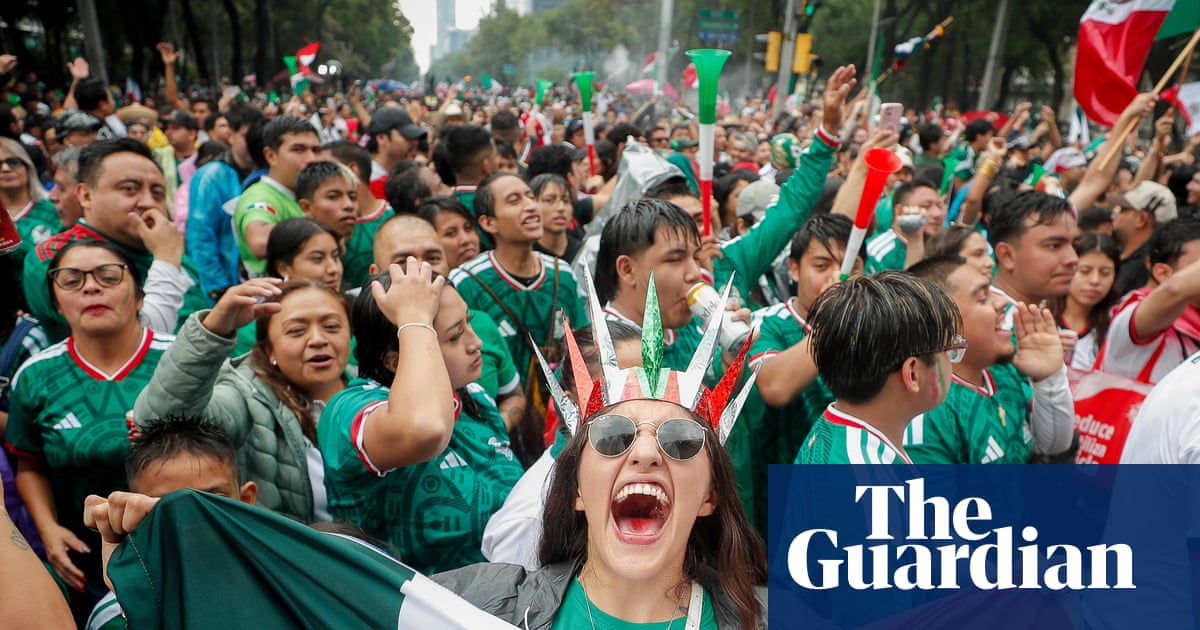
Don't get me wrong, the atmosphere in some of these spots was electric. Watching thousands of fans descend on a stadium from three different time zones created a unique energy that you just don't get in a single-country host model. But looking at the stats, was it really worth the sheer exhaustion of the fixture congestion? When fans share their enduring memories, they aren't talking about the expansion of the game's reach; they are talking about how tired they are and how much money they torched.
My take: Quality over quantity every single time
If you ask me, the skepticism is the stronger argument here. Football is at its best when the stakes are suffocating and the quality is elite. Expanding to 48 teams didn't give us more drama; it gave us more filler. We essentially watched a month of football where a 3-0 scoreline became the baseline because the gap between the top tier and the bottom tier is currently the size of the Atlantic Ocean. Hosting across three countries might feel like a fun experiment on paper, but in practice, it sucked the soul out of the centralized fan experience we used to love in more compact tournaments.
We need to stop pretending that every expansion is a net positive just because the governing bodies make more money. FIFA took a heritage event and turned it into an endurance test. If they want to keep this format, they need to figure out how to stop the drop-off in intensity that happens during the mid-group phase. Until then, I am sticking with the contrarians who wish we had kept it tighter, punchier, and far more competitive. Sometimes, less really is more, and the 2026 experiment confirms that expansion is just a fancy word for watering down the product.