Logistical bankruptcy at MetLife Stadium
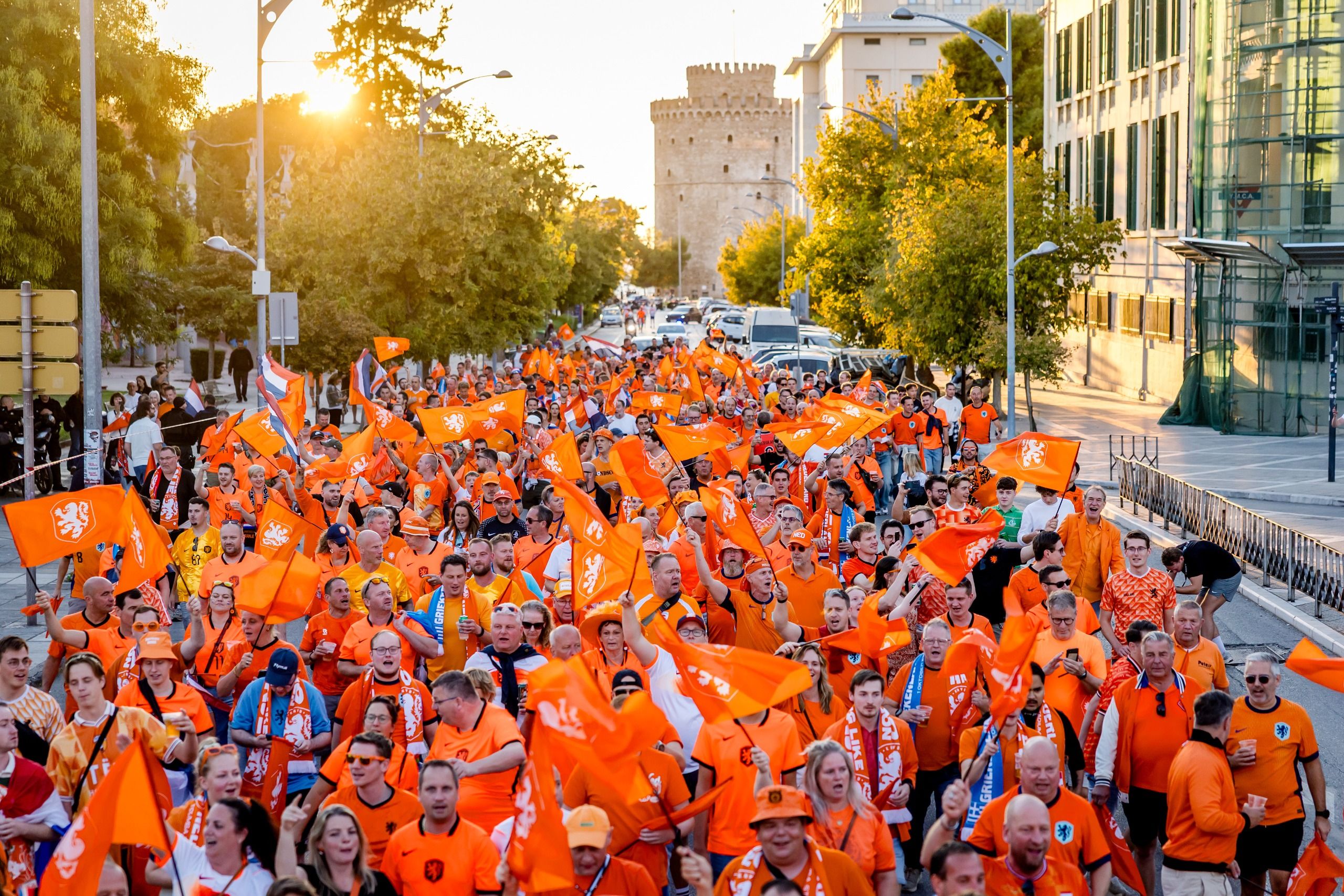
The scenes outside MetLife Stadium ahead of the World Cup final are a damning post-mortem on planning. When thousands of supporters are stranded hours before kickoff, we are no longer discussing football; we are witnessing a complete administrative collapse. Sunday’s showdown between Spain and Argentina should be the zenith of the sport, yet the atmosphere is currently being suffocated by structural failure.
Reports filtered in early this morning that perimeter security lines at the New Jersey venue had failed to account for ticketless crowds. Fans with legitimate documentation found themselves pressed against barricades, unable to navigate a labyrinth of checkpoints. It is a grim reminder that stadium operations frequently lag behind the scale of the product on the pitch.
While the focus remains on the starting elevens, the true narrative is the struggle to reach the gates before the 3pm EST whistle. This is the World Cup 2026 final as covered by The Guardian, and the focus on the surrounding administrative chaos is inescapable. We prioritize grandeur but fail to master the baseline logistics of movement.
Tactical clashes on the pitch
Once the ball finally rolls, the tactical battle between Spain's possession-heavy structure and Argentina's rapid transitions will dictate the outcome. Spain has consistently hit higher than a 65% possession rate throughout this tournament. They rely on short-passing triangles in the final third to force fouls in high-value areas.
Argentina, conversely, functions best when operating out of a organized low block. They look to spring their wingers into space the moment a pass goes sideways. The individual duel in midfield will be the most significant indicator of control. If Spain's defensive pivot cannot track the diagonal balls from the Argentine backline, the gulf in speed will create clear chances.
Expect early pressing triggers from Argentina intended to exploit Spain's desire to play out from the goal kick. There is a inherent risk in Spain's high defensive line, particularly when pressing personnel are fatigued. If the first 20 minutes see Spain underprepared for the recovery pace of their opponents, the score could easily shift to 0-1 early on.
The weight of the trophy
High-stakes matches carry an added burden of expectation. Both sides are currently wrestling with the historical shadow cast by this final. The media circus surrounding the event has been unrelenting, distracting from the professional preparation required for such a high intensity match.
I have observed Spain’s training patterns throughout the week; they have remained incredibly methodical. However, methodical play often borders on stagnation. Should the match remain deadlocked at 0-0 going into the hour mark, the psychological strain of needing a decisive moment往往 leads to desperate, ill-advised long-range efforts.
My prediction for the evening is a cagey, tactical stalemate decided by a singular lapse in judgment. Argentina, having weathered the initial Spanish pressure during the opening half-hour, will likely find a breakthrough via a set-piece transition. I am backing Argentina to lift the trophy with a 2-1 victory. They have proven more clinical in their finishing statistics, yielding higher xG per shot taken compared to a Spanish front line that often seeks one extra pass before committing to goal.
Read Next
- The absurd reality of football's most pointless fixture
- Argentina versus Spain is a tactical masterclass in a bloated format
- Argentina’s tactical arrogance is ruining their World Cup legacy
- Why Spain’s tactical discipline will overcome Argentina in the final
- 🏆 World Cup 2026 — Full Coverage Hub
- 🇦🇷 Argentina World Cup 2026 — Defending Champions Hub
- 🇪🇸 Spain World Cup 2026 — La Roja Hub