
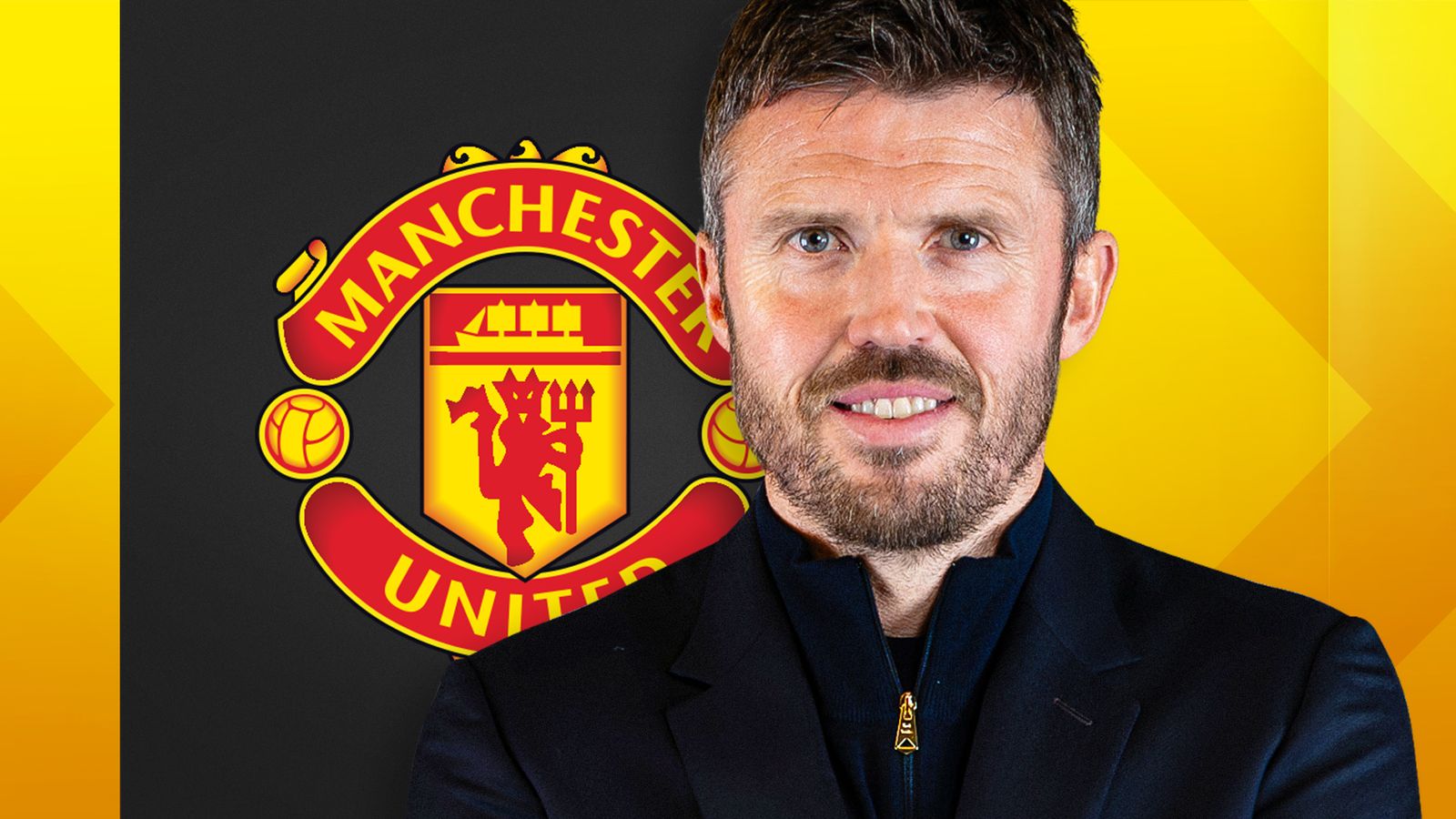
The midfield reconfiguration at Old Trafford
Manchester United’s pursuit of Youri Tielemans represents a high-stakes recalibration of their central engine. Erik ten Hag has spent eighteen months searching for the exact profile of a progressive number eight, a player who can pivot between defensive shape and final-third incision. According to reported comments from the Belgian midfielder, the move is viewed as a necessary step up in his career trajectory. It marks a shift away from the erratic, high-chaos midfield that defined United’s 2025/26 campaign.
Tielemans is not a direct replacement for the grit of Casemiro. Instead, he provides a technical bridge. He moves the ball from deep-lying positions with a level of composure that was noticeably absent during United's April slump. In the 3-2 defeat at the Emirates, United’s pass completion percentage in the middle third dipped to 74%, exposing a lack of transitional calm. Tielemans consistently maintains an 84-86% completion rate under pressure. He is the operator Ten Hag needs to stabilize the possession phase.
The spacing issue requires more than one signing
Despite the optimism surrounding this potential arrival, the structural flaws within United’s formation remain exposed. The tactical notebook reveals a recurring problem during the final quarter of the season: the gap between the defensive line and the holding midfielder. Opponents routinely exploited this space, turning over possession at the 40-yard line and transitioning directly into numerical advantages.
While Tielemans offers superior ball progression, he is not a defensive specialist. Adding him without a significant increase in the horizontal discipline of the back four is asking for trouble. My review of the May win against Newcastle showed the center-backs drifting 15 yards too narrow, leaving the half-spaces unattended. Unless Ten Hag dictates a more rigid zonal structure, even a high-IQ passer like Tielemans will find himself stranded during defensive transitions.
Defining the role: Eight or ten?
The primary question involves how the manager manages his existing assets. Bruno Fernandes thrives as the primary creative outlet, but his tendency to drift into wide channels creates a vacuum in the center. If Tielemans sits in a double pivot, he needs to be the one dictating the tempo from the base of the attack. If the plan is a 4-3-3 with a vertical axis, the 29-year-old must prove he can survive in a high-intensity pressing game without getting caught behind the ball.
We have seen this narrative before with midfield signings at Old Trafford. High technical ceiling, questionable physical endurance. The 53 appearances he managed last season across all competitions suggest durability, but the intensity of the Premier League is a different beast. Expecting him to play 90 minutes twice a week while maintaining that 86% passing accuracy is asking him to be superhuman in a system that often forgets to support its deep-lying playmakers.
The verdict for the upcoming campaign
Should this deal cross the finish line, United adds a player who is undeniably effective in breaking down low-block defenses. He provides exactly the kind of line-breaking pass needed to unlock teams that sit deep and settle for a point. However, the reliance on a single midfielder to solve fundamental tactical isolation is a recurring analytical blind spot for this board.
I expect Tielemans to start comfortably, showing flashes of brilliance in transition during the first four weeks of the campaign. By mid-October, however, the lack of defensive support will become the story. The fans will get their creative spark, but they should be prepared for the defensive headache that follows. A mid-table finish in goal difference metrics remains a statistical reality until the personnel in the backline stops chasing shadows and starts holding their shape.





