Carrington returns and midfield geometry
Bruno Fernandes is back at Carrington, accompanied by £35m arrival Youri Tielemans following their post-World Cup breaks. But Ruben Amorim’s primary tactical variable remains completely stuck in limbo. Benjamin Sesko’s missing pre-season minutes mean United enter this clash without a central reference point who can pin two center-backs.
Without Sesko stretching the pitch vertically, United risk falling into their standard pattern of horseshoe possession around the middle third. Tielemans offers clean line-breaking passes—completing 87% of forward passes in tight areas last season—but if Fernandes drops into the same spaces to demand the ball, the midfield becomes congested. Against a team that hunts central turnovers, that spatial overlap is dangerous.
United's structural balance will hinge entirely on how quickly Tielemans and Fernandes establish distinct passing lanes. If both drift into the left-half space, United's central progression halts completely, leaving their transition defense wide open.
The post-Pep pressing puzzle and the Rodri dilemma
Over in the blue half of Manchester, Enzo Maresca faces a major structural headache. Jack Grealish’s total absence from the pre-season tour leaves City without their primary left-sided ball retainer. Grealish completed 3.4 progressive carries per 90 last term, providing the pause that allowed City’s rest defense to set up.
Meanwhile, Mateo Kovacic insists the club still count on him despite summer exit speculation. Yet Kovacic is not a direct replacement for Rodri. With ongoing questions surrounding Rodri's durability and a potential £50m decision hovering over his long-term future, City's central pivot looks surprisingly vulnerable to direct counter-attacks.
Man City count on me despite exit rumours.
When Kovacic starts alongside an unsettled midfield pivot, City's defensive transition metrics drop noticeably. They conceded 1.4 xGA per game during pre-season fixtures where the central midfield failed to execute immediate counter-pressing triggers within 3 seconds of possession loss.
What happens when the press meets the pivot
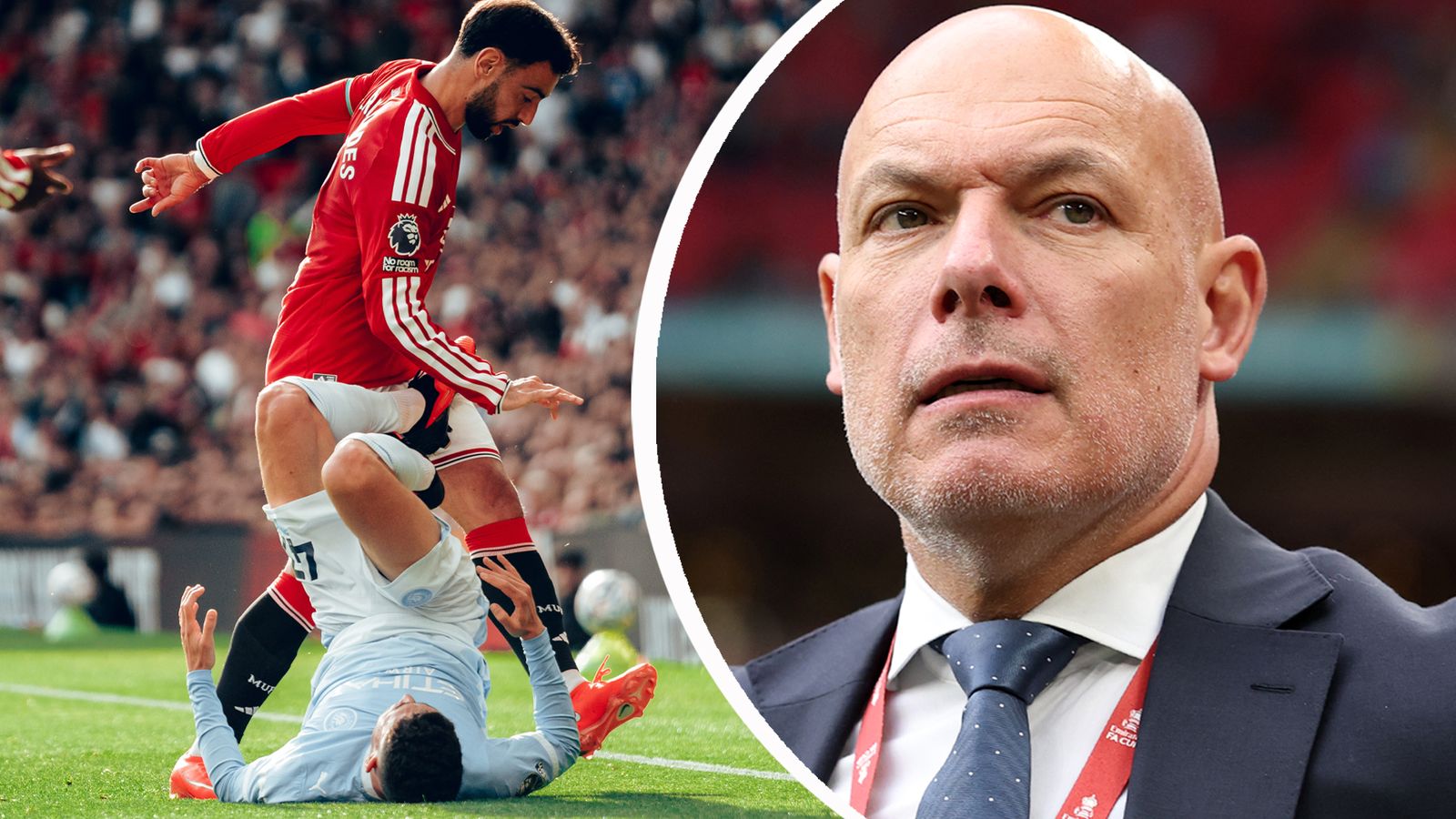
This match will be won or lost in the 15-yard zone right in front of City’s center-backs. If Amorim instructs Fernandes to aggressively press Kovacic on his back-foot turns, United can force high turnovers. City’s buildup under Maresca relies heavily on a fluid double-pivot, but without Rodri operating at peak physical condition, that structure lacks steel.
On the flip side, if City bypass United's initial three-man press, Tielemans will be forced to cover massive lateral distances. Tielemans has never excelled when isolated in wide transition channels. City will deliberately overload the right flank to pull United's pivot out of position before switching play rapidly.
Expect a chaotic middle third with both managers testing incomplete tactical concepts. United possess the sharper transition threat on paper, but City's control mechanism—even without Grealish—should dominate overall tempo.
The Verdict
United's uncertainty around Sesko's availability leaves them lacking a focal point upfront, while City's midfield transition remains susceptible to high-intensity pressing traps. Expect a scoreline of 2-1 to Manchester City, decided by a late turnover in the central third.
Read Next
- Mateo Kovacic is the tactical safety valve Man City cannot afford to lose
- Jaissle faces an immediate tactical rebuild at St. James' Park
- Manchester United's Marcus Rashford dilemma is reaching a breaking point
- Man Utd's midfield rebuild hinges on the Lewis Hall pursuit
- 🇵🇹 Portugal World Cup 2026 — A Seleção Hub