The Architecture of an Unpredictable Tournament
The 2026 World Cup across North America challenged expectations with a bloated format that theoretically invited chaos. While the expanded bracket drew criticism for diluting the quality of group-stage play, the knockout rounds produced singular flashes of brilliance that defined the summer. These top ten moments represent the intersections of skill, controversy, and pure sporting attrition.
10. The Tactical Stalemate: USA vs. Morocco
The Group Stage opener in Los Angeles set a tone of cautious pragmatism that irritated fans expecting high-octane football. Neither side dared to commit players forward in a scoreless draw that felt like a tactical rehearsal for deeper rounds. It ranks bottom because it lacked the intensity required to ignite the home crowd.
9. Canada’s Defensive Grit Against Chile
Vancouver served as the backdrop for a defensive masterclass that saw Canada hold a technically superior Chile to a 0-0 result. This result was effectively a loss for the Chilean aspirations, shifting the momentum of the entire group. It was boring for the neutral, but a tactical achievement for a nation under massive pressure to perform.
8. The Early Exit of Defending Champions
Argentina crashed out in the Round of 16, a result that stunned bettors and casual observers alike. The lack of cohesion in the final third proved fatal against a disciplined defensive shell. It ranks here because while shocking, it signaled the end of an era rather than the emergence of something new.
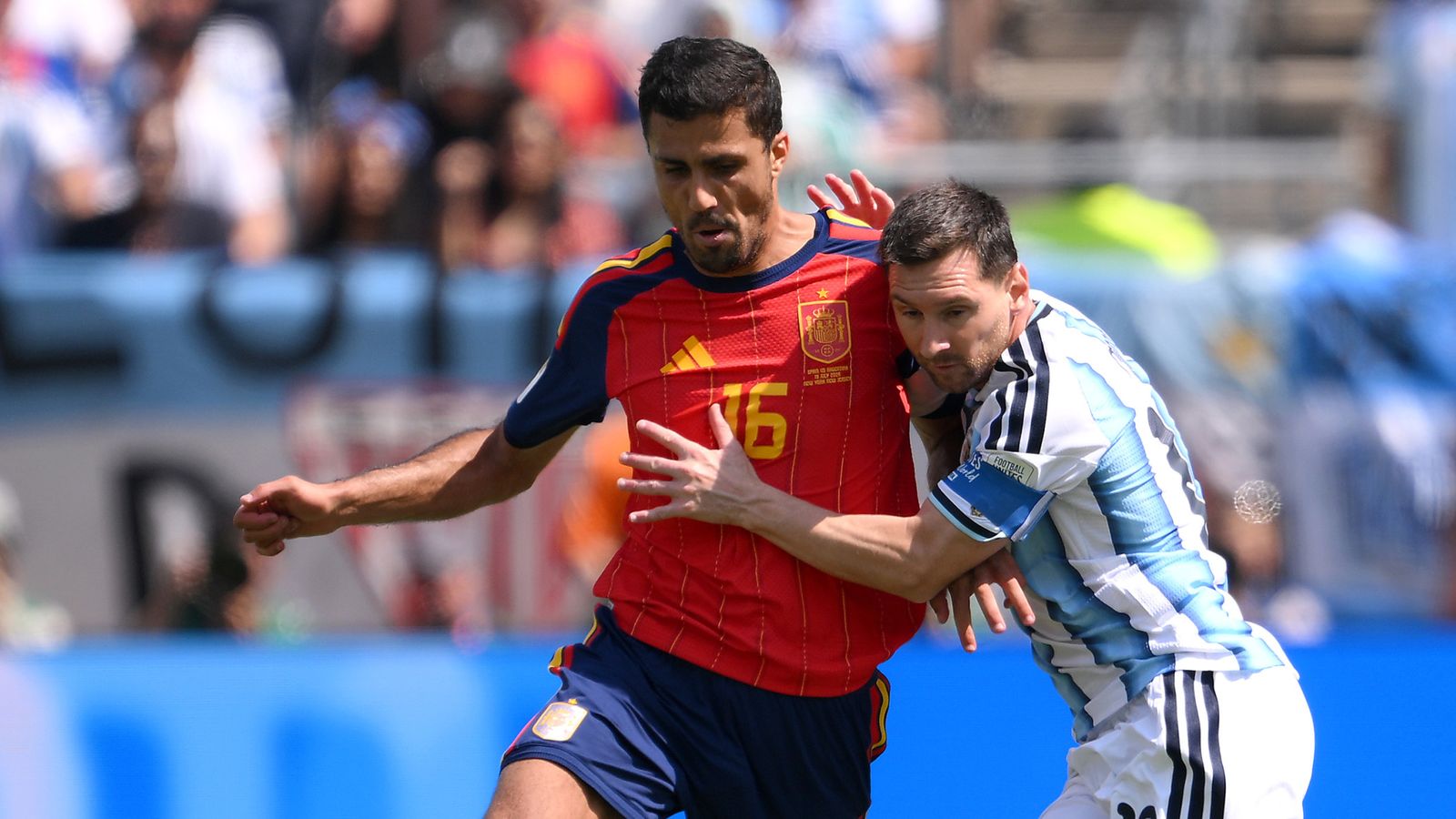
7. Rodri’s Midfield Dominance
Arguments continue regarding whether Rodri deserved the Golden Ball over Lionel Messi, as reported by Sky Sports during the tournament live blog. His ability to distill complex defensive shape into simple passing lanes kept Spain afloat. He played with a control that felt less like a sport and more like an algorithm, earning him the nod despite lower statistical output than attacking peers.
6. The Penalty Shootout at MetLife
The Quarter-final between Germany and Brazil showcased the brutal reality of spot-kicks. With the game ending 1-1 after extra time, the mental fragility of the Brazilian squad became evident early. It remains a painful watch for supporters, as the misses were technical failures rather than goaltending heroics.
5. The Golden Goal Near-Miss
In a tournament defined by caution, a long-range strike hitting the post in the 89th minute between Portugal and England became a viral symbol of the frustrations seen throughout the bracket. Had that ball gone in, the tournament narrative would have shifted toward chaos. Instead, it served as a reminder of how thin the margins were in North America.
4. The VAR Controversy in the Semi-Finals
France felt aggrieved after a handball ruling in the 72nd minute gift-wrapped a lead for their opponents. The lack of transparency in the officiating booth during that match fueled debates on whether technology is stripping the game of its natural flow. It ranks high because it fundamentally changed how people viewed the fairness of this specific World Cup.
3. The Underdog Rise of Morocco
Watching Morocco reach the semi-finals was the feel-good story that actually delivered on the pitch. They didn't rely on luck; they utilized a high-block system that suffocated opponents for 90 minutes straight. Their ability to turn over possession in the final third led to a 2-0 victory over a stunned European powerhouse.
2. The Final Stand
The championship match settled into a rhythm of attrition that finally broke open in extra time. It wasn't the free-scoring affair marketers wanted, but the tactical discipline displayed by both finalists was peak professional sport. The singular goal decided it all, proving that sometimes the best team is simply the one that makes the fewest mistakes.
1. The Atmosphere in Toronto
The sheer noise generated during the opening week in Toronto felt like a turning point for football in North America. Whether it was the sheer volume of away fans or the genuine home support, the energy present in the stadium was unmatched by any other venue. It represents the height of the 2026 experience, where the event eventually transcended the specific results on the field.
Honorable Mentions
The late injury time winner by the United States that was incorrectly ruled offside and the surprising lack of goal-scoring output from traditional strikers throughout the tournament. Both provided talking points that lasted for days on talk radio.