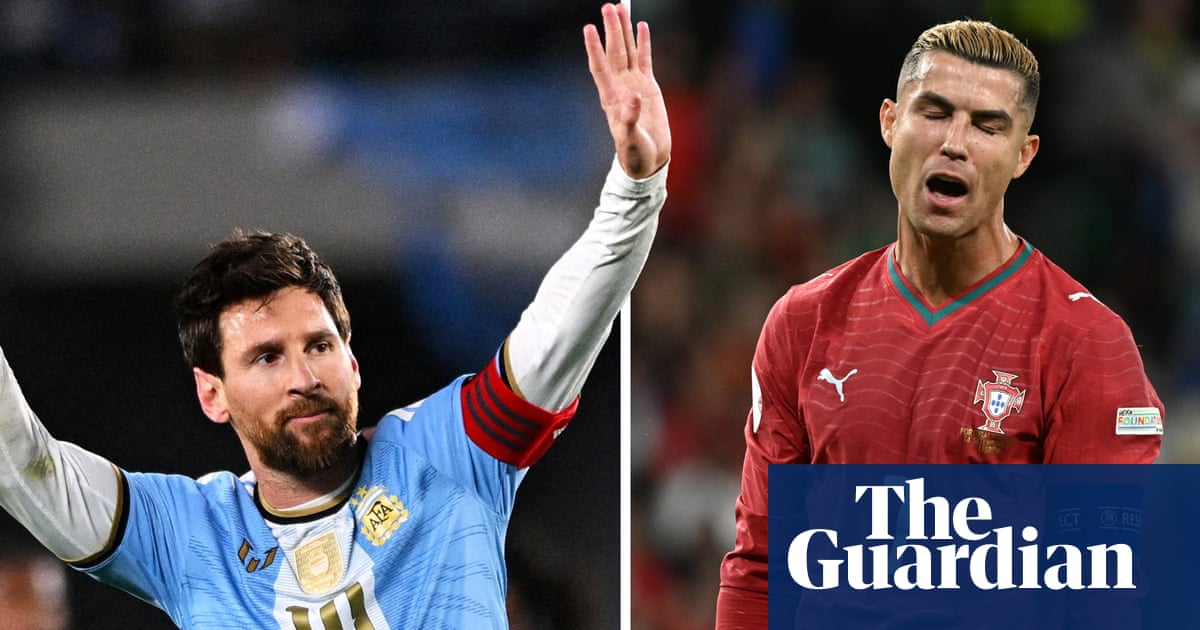
The long walk into the sunset
The 2026 World Cup has officially closed the book on the most exhausting two-decade saga in sports history. Lionel Messi, at 39, dragged Argentina to another final, while his lifelong shadow, Cristiano Ronaldo, watched from the sidelines of relevance. We are living in a post-G.O.A.T world, and honestly, the silence is refreshing.
Watching the Mirror report on Ronaldo’s social media activity during the tournament was like watching a teenager get dumped via text. Liking a post that explicitly labels FIFA as corrupt while your rival is preparing for a world title match is a choice. It is a level of professional bitterness I honestly respect for its sheer petulance.
The institutional decline of the icons
Ronaldo isn't just fighting Father Time, who is currently beating him 6-0. He is fighting the reality that he is no longer the main character in the story of football. When you spend twenty years creating a brand built on being the best, the transition to being a veteran contributor is never going to go smoothly.
The irony is that both players treated this tournament as a career bookend. Messi took the high road, even when the pressure was suffocating his final attempt at glory. Ronaldo, meanwhile, opted for the disgruntled fan POV. It was the footballing equivalent of a mid-life crisis fueled by Instagram notifications.
Why we can’t let the drama die
Fans are obsessed with keeping this rivalry on life support because admitting the era is over feels like admitting we are old. We need the narrative of the corrupt system or the injustice done to one player to feel like something is still at stake. In reality, the game shifted while they were arguing over individual accolades.
Management at the national level has become more surgical and youth-focused. The days of revolving an entire tactical scheme around a single aging superstar are cratering. That is the actual tragedy here—not a FIFA conspiracy or a biased referee, but the relentless march of tactical evolution.
Looking past the highlights
The obsession with these two icons has actively stunted the development of incoming stars. Every time a kid with pace starts to show promise, the media machine compares them to Messi or Ronaldo instead of letting them develop their own identity. We are addicted to the brand, and it shows in how we value matches.
This summer proved that football does not stop because the icons slow down. It just gets faster, meaner, and arguably more interesting for those of us who prefer the team over the ego. The era of the individual monolith is dead. Bury it with the social media likes, because nobody outruns the clock.