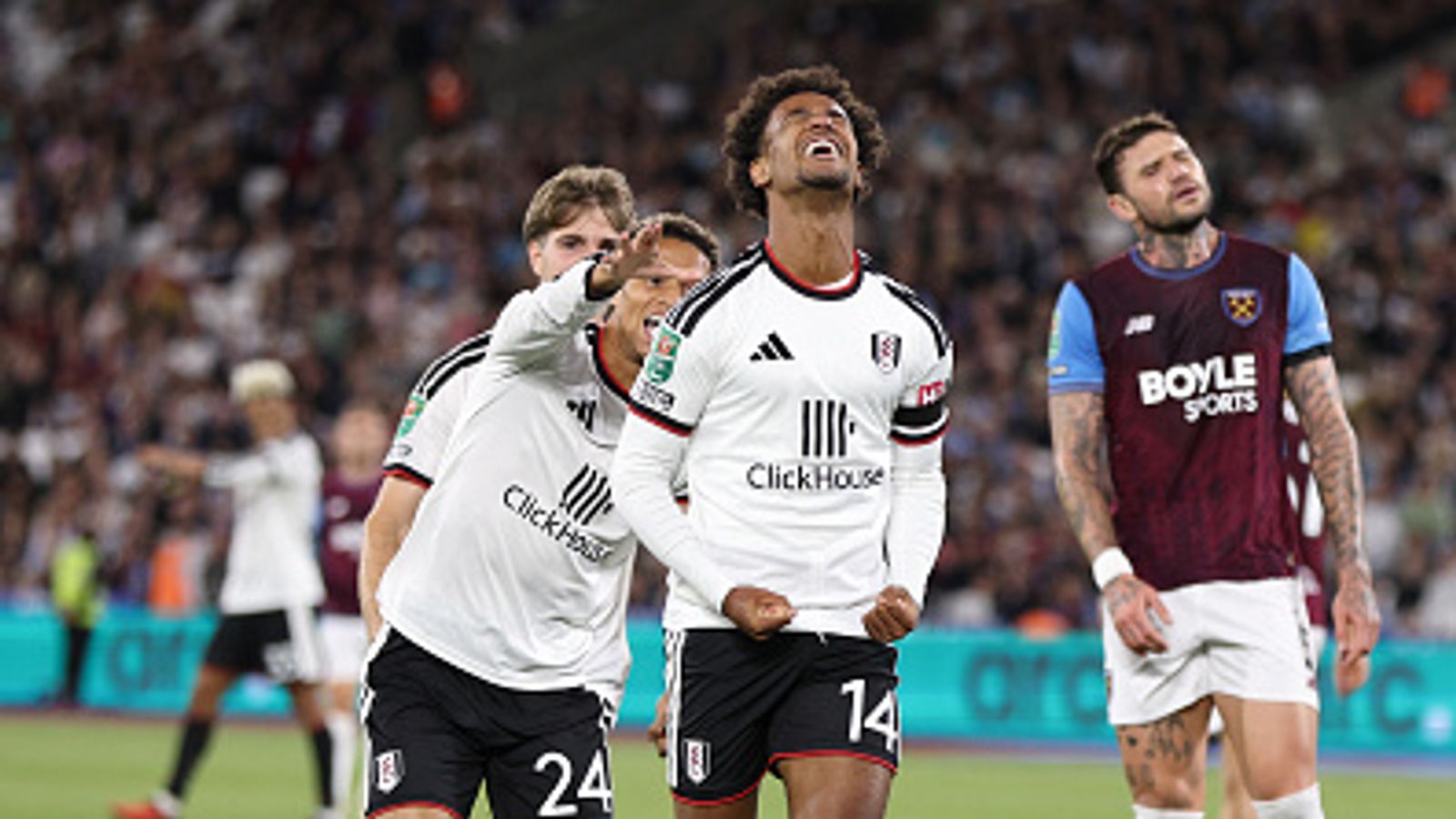
The Saudi Pro League flexes its financial muscle
The market for Premier League talent continues to skew heavily toward the Middle East. West Ham have officially reached an agreement with Al-Hilal to offload Crysencio Summerville, with the BBC confirming a deal worth £68.3m. This follows a period of intense speculation regarding the Dutchman's future in East London.
For Manchester United, who had been heavily linked with a move for the winger, this represents a significant blow to their recruitment strategy. Fabrizio Romano has indicated that United were weighing their options between Summerville and Iliman Ndiaye, but the sheer scale of the Saudi offer has rendered other domestic clubs unable to engage in a bidding war.
Tactical implications of the missed target
Summerville offered a specific profile: a dynamic, wide playmaker capable of stretching backlines and creating high-quality chances in transition. His departure leaves a void in the West Ham attacking set-up that will prove difficult to fill before the September 1 deadline. Hammers leadership is clearly prioritizing the influx of cash, but the footballing cost of losing their primary catalyst is substantial.
United's interest in the player highlights a broader, albeit more concerning, trend within the club's transfer board. When a side of United's standing fails to secure top-tier targets due to budgetary constraints or aggressive competition from non-European leagues, questions move quickly from tactical fit to administrative efficiency. The club is under pressure to rejuvenate their forward line after a lackluster term, yet the current market leaves them searching for alternatives elsewhere.
The reality of the current transfer window
The financial disparity is no longer just a hypothetical talking point. As reported by the Daily Mail, Premier League clubs were priced out almost immediately once Al-Hilal tabled their interest. Clubs are increasingly viewing the Saudi window as an exit route for high-valuation assets rather than a secondary market for talent acquisition.
A critical look at this development reveals a concerning lack of long-term planning for many sides involved. West Ham may have secured a massive return, but failing to line up a viable successor to Summerville could see their league standing suffer early in the 2026/27 campaign. Meanwhile, the Premier League's overall competitiveness is tested when teams operate under such strict squad registration and financial constraints, a topic recent reports have explored in detail regarding Liverpool's own transfer limitations.
Probability Assessment
The probability of Summerville returning to the Premier League or joining United at this stage is essentially zero. The deal with Al-Hilal is structured and sanctioned, meaning the player is expected to finalize personal terms and undergo his medical within the coming week. The window for United to intervene has firmly closed, and they must pivot to secondary targets to bolster their attacking options.
Expected Impact
The impact of this sale will be immediate and twofold. For West Ham, the £68.3m windfall will likely trigger a late-window scramble for defensive and attacking cover. For Summerville, the move is a career-defining shift that moves him out of the European spotlight, potentially impacting his international prospects with the Netherlands. United now face a frantic search for a replacement winger, forcing their recruitment staff to look at lower-profile prospects who lack the proven Premier League pedigree Summerville provided.
Read Next
- West Ham are losing their creative heartbeat in the Summerville sale
- Manchester United's recruitment drive is missing a coherent tactical identity
- Nottingham Forest move for Ousmane Diomande signals defensive anxiety
- Fulham lock down defensive prospect but questions remain on first-team gaps
- ⭐ Saudi Pro League 2025-26 — Ronaldo, Al Nassr & the Title Race