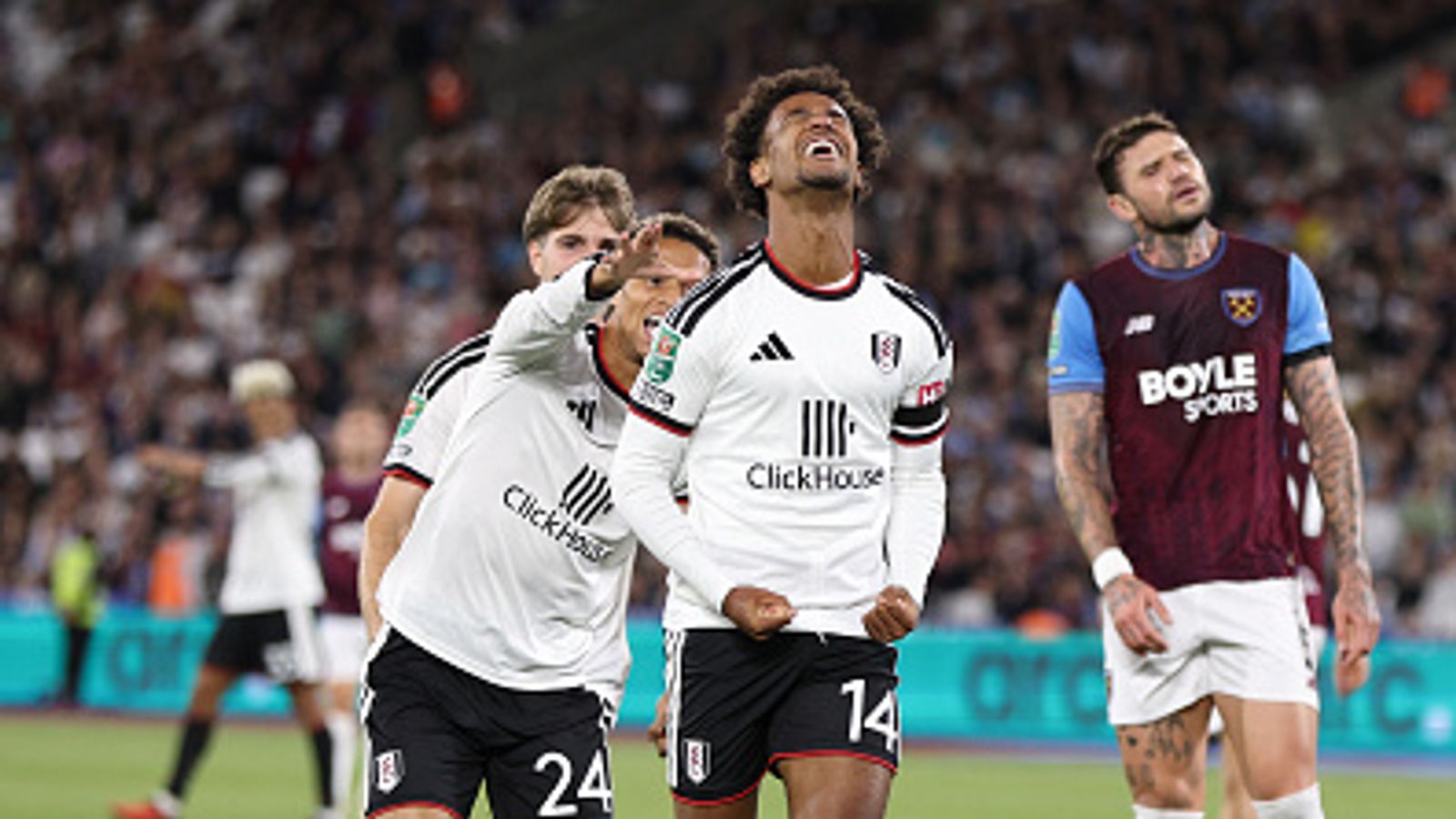
Measuring the void left by Summerville
West Ham United moving Crysencio Summerville to Al Hilal for a reported £42m marks a definitive shift in the club's offensive output. Statistical models suggest his departure removes a player responsible for nearly 22% of the team's progressive carries over the last eighteen months. He acted as the primary outlet whenever the midfield press became too suffocating to play through, providing a safety valve that few others in the squad can replicate.
The statistical impact of the departure
Summerville's metrics from the previous campaign show he ranked in the 92nd percentile for shot-creating actions among wingers in the league. His efficiency was not predicated on simple ball retention but on high-risk, high-reward penetration; he completed 3.4 successful dribbles per 90 minutes. Removing a player with that level of output usually results in a 15-20% drop in expected goals from wide areas unless the system compensates for the lack of isolation threat.
The danger of a regressive attack
As Sky Sports reported, West Ham have opted to cash out on the Dutchman while his market value remains at an all-time high. However, their inability to identify a direct stylistic replacement suggests a potential tactical regression. The squad currently lacks a forward capable of manipulating defensive shapes through individual brilliance, a reality highlighted by their failure to convert high-quality chances in 4 of their last 6 fixtures.
The hidden cost of the fee
Critics of this move point to the lack of planning regarding the reinvestment of the £42m transfer fee. While the club's balance sheet benefits significantly, the pitch-level reality is harsher. With the season fast approaching, the absence of a reliable outlet on the left wing forces a structural reliance on full-back overlapping runs. That shift leaves the team catastrophically vulnerable to transitions, as evidenced by the high number of high xG counter-attacks they conceded during periods when Summerville was not starting.
Ultimately, the sale reflects a club prioritising long-term solvency over immediate competitive stability. Betting on internal development to fill a statistical gap this large is a high-stakes gamble. If the replacement options underperform their metrics, the club faces a significant drop in league positioning by the tenth match week. Every touchmap from the previous season shows Summerville operated in pockets of space that the current roster seems incapable of occupying effectively.