The 51 million pound question
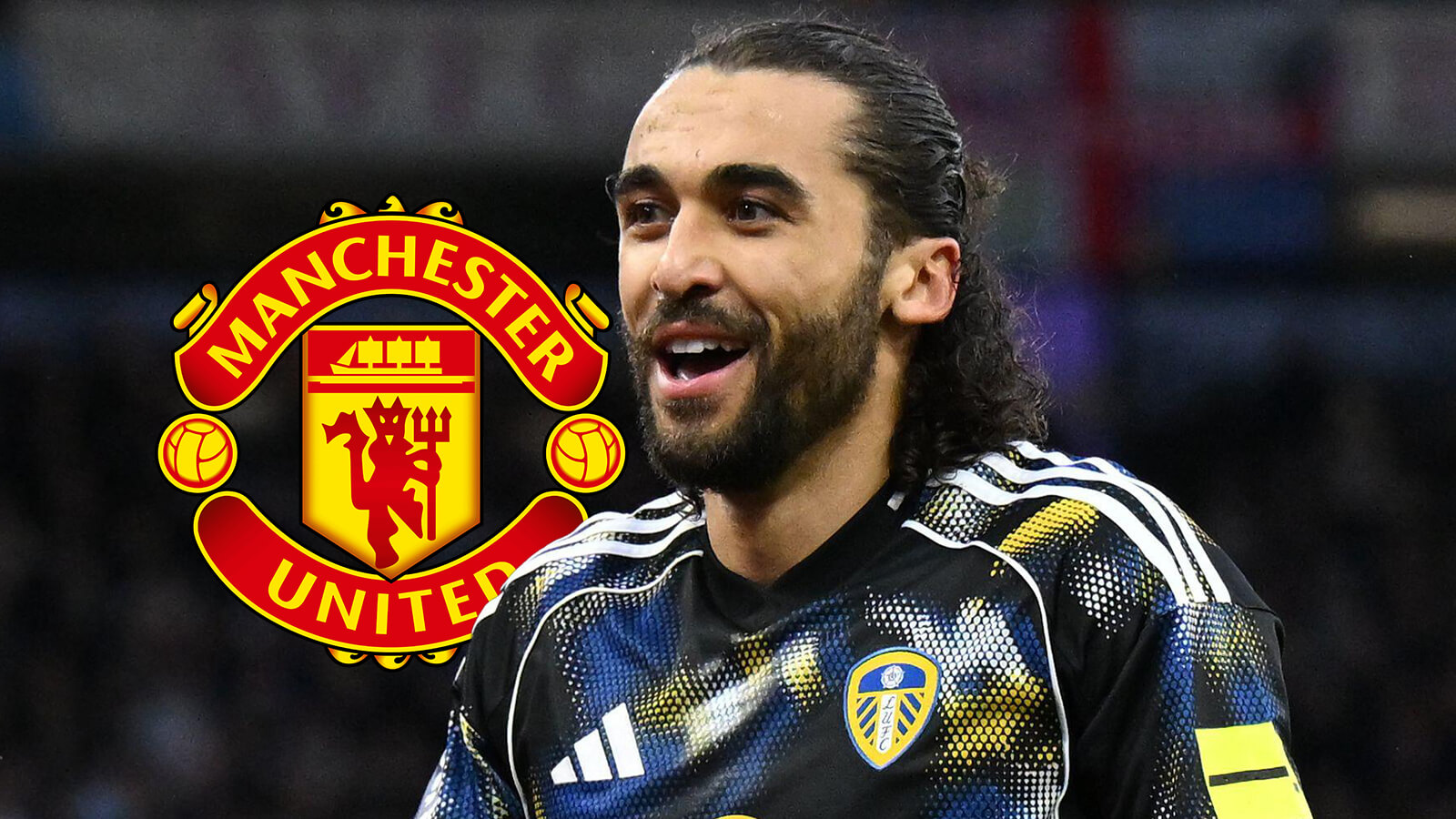
Manchester United’s pursuit of AS Roma midfielder Manu Kone represents a 51 million pound gamble on a profile the club is struggling to define. As of July 21, 2026, United have reportedly moved ahead of Arsenal in discussions for the Frenchman, yet the logic behind adding a third midfield technician after the arrivals of Andrey Santos and Youri Tielemans remains elusive. When a club occupies itself with three distinct profiles in one window, it suggests a lack of foundational planning rather than strategic reinforcement.
The defensive turnover
The recruitment of an 8 million pound teenager from Tottenham — identified as Thompson — alongside persistent links to Cristian Romero, points to a desperate attempt to patch a backline that lacked cohesion throughout the previous campaign. While insiders like John Wenham laud the potential for a defensive partnership, they ignore the disruption caused by constant squad rotation. For perspective, the club’s ability to offload assets is failing to match its intake; one squad member has already publicly requested an exit following the arrival of a direct positional replacement. Creating a surplus of talent does not equate to creating a functional squad, particularly when the wage bill balloons without a corresponding increase in points-per-game.
The Carrick conundrum
Michael Carrick’s first summer at the helm is currently dominated by a reactive market strategy. As reported by the Mirror, the manager has been clear about his demands, but the targets are scattered across the pitch. Targeting Manu Kone while simultaneously scouting full-back options like Rico Hall and Antonee Robinson suggests a lack of a primary tactical pivot. If the system relies on high-pressing, the recruitment of Kone makes sense; if it relies on deep-lying control, the interest in such a high-velocity midfielder creates a structural mismatch.
The Rashford factor
Perhaps the most significant metric of this summer’s uncertainty is the ongoing stagnation of Marcus Rashford. With reports surfacing regarding fresh instability linked to a 68 million pound battle with Tottenham for new attacking assets, Rashford’s role appears increasingly marginal. Statistics rarely account for atmosphere, but the correlation between constant churn in the attacking third and reduced cross-completion rates is well-documented. Replacing established personnel with high-fee prospects often leads to a transitional dip that lasts well into the winter months.
The missed opportunity
The fixation on external talent is masking a deeper issue: a lack of internal clarity regarding who plays where. While scouts dither over the technical merits of players like Martin Baturina — who is simultaneously being pursued by Tottenham and Aston Villa — United are losing leverage in negotiations. The Como president has already issued public warnings regarding the intensity of this interest; such external commentary is rarely a positive signal for a buying club. When your transfer targets become the subject of public debates between clubs and their current employers, your leverage is essentially neutralized.
Ultimately, the objective of the current window is 750,000 pounds per signing if one considers the fringe transfers, yet the cost is far greater in organizational continuity. With Carrick needing to imprint his style on a squad that still resembles a patchwork of different managerial eras, the reliance on high-profile singular additions is flawed. If United fail to secure a primary defensive identity before the season opener, no amount of midfield expenditure will prevent them from falling behind their Premier League rivals. Statistical success in the window is not defined by net spend, but by the closing of tactical gaps.