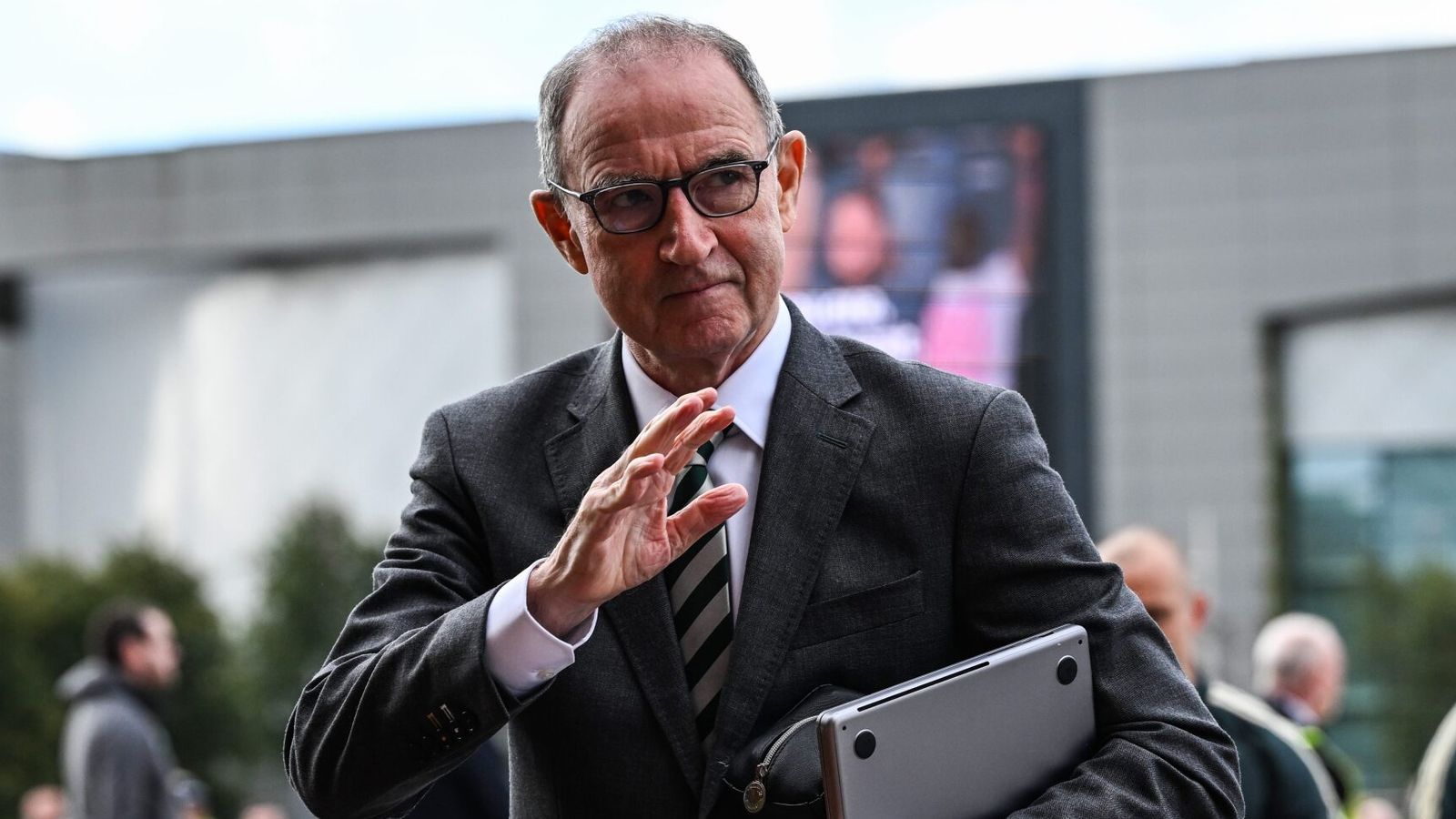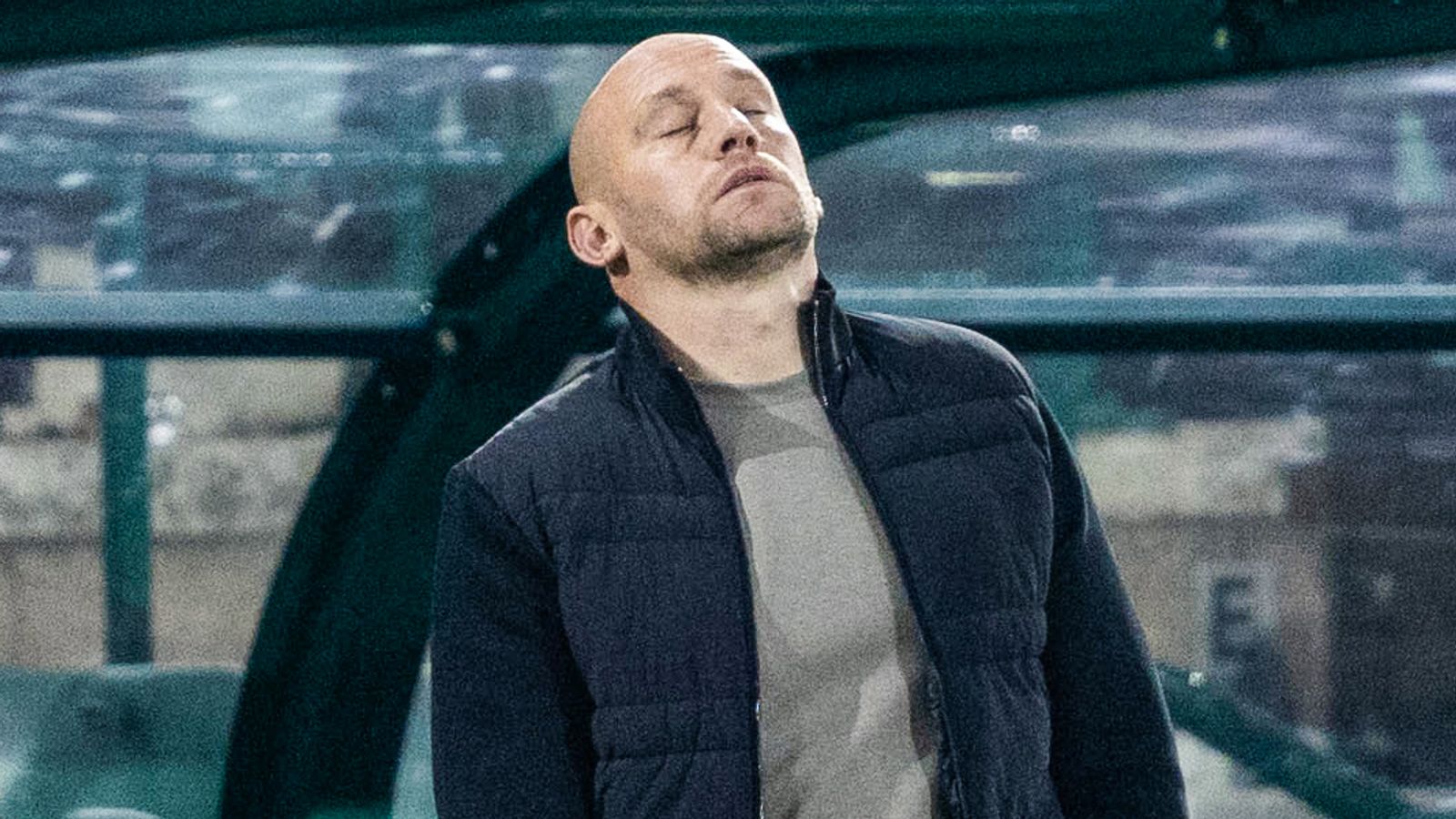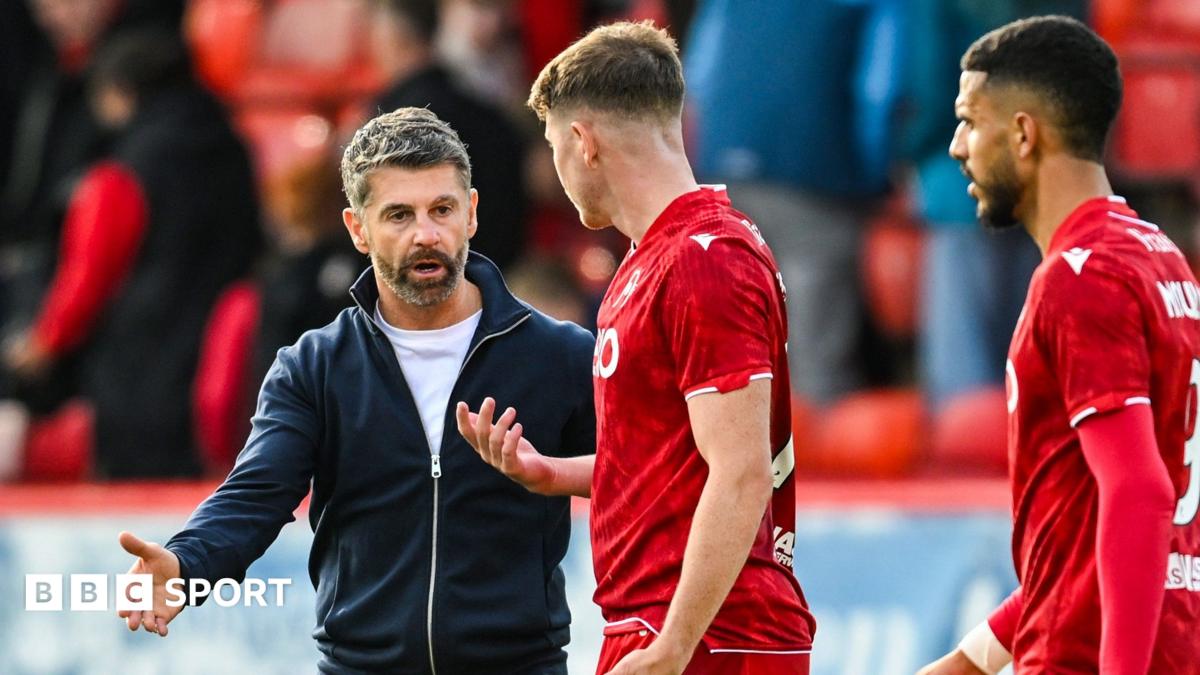
Last December, Stephen Robinson was the undisputed king of Paisley. He took a St Mirren squad that was basically held together by tape and vibes, marched into Hampden, and absolutely pantsed Celtic 3-1 to lift the Premier Sports Cup. It was a masterclass in pragmatism, the kind of victory that makes a manager's career and gets them free drinks for life. Naturally, the board at Pittodrie decided they wanted a piece of that magic. Aberdeen hired Robinson on March 12, 2026, handing him a contract until 2029 to clean up the wreckage left behind by Jimmy Thelin. Yet here we are in July, and the man who literally just won this trophy is already calling it a farce. He hates the format. He hates the timing. And if we are being completely honest, he is entirely correct.
The mid-July death march
Let's be clear about what the Premier Sports Cup group stage actually is. It is a competitive tournament played in the dead of summer when players are still trying to shake off the rust from their holidays. The format is a bizarre hybrid of pre-season fitness test and high-stakes cup tie. Forty teams are split into eight groups of five, playing a round-robin schedule that starts in mid-July. If you draw after ninety minutes, you go straight to a penalty shootout for a bonus point. For Premiership clubs in the middle of a massive summer rebuild, this is not a useful preparation tool. It is an absolute minefield.
The Premier Sports Cup group stage is the footballing equivalent of a mandatory corporate team-building exercise at 8:00 AM on a Monday. It is the ultimate "should have been an email" of international sports. You have twenty-two exhausted dudes running around on dry turf while their managers pretend to care about a trophy that is usually won by the Glasgow clubs anyway. Yet Stephen Robinson is expected to treat this like he is prime Shawn Michaels at WrestleMania, just tuning up the band and superkicking semi-pro teams into oblivion. It is a lose-lose situation for top-flight managers who are expected to win every game by five goals, but get absolutely zero credit when they actually do. If you win 5-0, it is what you should be doing. If you draw, it is a national disaster. There is no middle ground.
Unrealistic expectations and false football
Robinson has not held back in his criticism of the setup. He has openly stated that he does not like the format, arguing that it creates completely unrealistic expectations. When Aberdeen travelled to Dudgeon Park last Tuesday, July 14, the fans expected a five-goal demolition. Instead, they got a sluggish 2-0 win over Highland League side Brora Rangers, with Kevin Nisbet scoring a 35th-minute penalty after a foul by Craig Mackenzie. The online reaction from some supporters was pure panic. Robinson rightly pointed out that expecting a squad with seven new signings in the starting lineup to look like prime Barcelona is ridiculous. He calls it "false football" because managers cannot manage minutes or protect players from injury like they would in a standard friendly.
Yesterday's scare at Pittodrie
If you want to see exactly why Robinson is losing his hair over this format, look at what happened yesterday at Pittodrie. On Saturday, July 18, 2026, Aberdeen hosted Queen's Park in their second group fixture. For the first fifteen minutes, everything looked great. Dan Happe scored in the 3rd minute, and new signing Lewis Smith doubled the lead in the 11th. But then the mid-July fatigue set in. The second half was an absolute eyesore for anyone who appreciates defensive organization. Aberdeen's midfield looked completely disconnected, the passing was lazy, and the pressing was virtually non-existent. Queen's Park's Molloy scored in the 79th minute, turning the final minutes into a chaotic scramble. Germany international goalkeeper Marius Müller, signed from VfL Wolfsburg, had to pull off a spectacular save in injury time to preserve the 2-1 win. If Müller does not make that save, Aberdeen is forced into a shootout for a bonus point. It was a sloppy, unconvincing performance that highlighted just how far this team is from being ready for the league campaign. It was the kind of second-half collapse that makes you wonder if the players had a collective heatstroke.
The Pittodrie revolution under pressure
Robinson is currently trying to execute a massive squad rebuild in public view. He has brought in an entirely new starting eleven, including VfL Wolfsburg recruit Marius Müller and centre-back Dan Happe. These players need time to develop chemistry and adjust to Robinson's tactical demands. But this tournament does not allow for a learning curve. As the BBC Sport report notes, the pressure to build early momentum is intense. If a manager uses these games to experiment with a back three or give a trialist forty-five minutes, they risk a humiliating defeat that dominates the back pages. It is a system that forces managers to prioritize short-term survival over long-term development.
The double standard of the SPFL
What makes this situation even more frustrating is the blatant double standard at play. Celtic, Rangers, Hearts, Hibs, and Motherwell do not have to deal with this July nonsense. Because they qualified for European competitions, they receive a bye straight to the last sixteen. They get to spend their summer playing lucrative friendlies in the United States or training in Spain. They can ease their new signings into action without any media pressure, playing in front of seventy-thousand fans in Miami rather than three-hundred people in the driving rain of the Highlands. Meanwhile, Aberdeen is punished for last season's poor league finish by being thrown into competitive matches before their squad is even finalized. It is a structure that actively helps the rich get richer while making life miserable for everyone else. It is the footballing equivalent of taxing the poor to pay for the rich's yacht fuel.
The physical cost of July competition
The injury risk in these early matches is a massive concern for managers. In a normal pre-season friendly, a manager will swap out the entire team at halftime to manage workloads. In the Premier Sports Cup, you have to win, which means you cannot afford to sub off your star players. Playing ninety minutes of high-intensity competitive football on hard summer pitches is a recipe for hamstring pulls. Robinson has repeatedly warned that the schedule is set up against Premiership clubs. Yet the league organizers continue to ignore the physical toll this takes on the players. Aberdeen now has to travel to Palmerston Park on Wednesday, July 22, to face Queen of the South in another televised banana skin. If they lose a key player to a muscle tear during that match, the long-term cost to their league campaign will far outweigh any short-term momentum. You are risking a thirty-eight game season for a trophy that gets handed out before Christmas.
Let's talk about the pitches. Playing on artificial turf in July is like playing on a hot skillet. The ball bounces like a superball, the players' joints take a beating, and by the end of ninety minutes, everyone smells like burnt rubber. It is a miracle that more players don't end up on the operating table. Robinson's complaints about player welfare aren't just managerial excuses; they are a cry for help from someone who actually cares about the knees of his starting eleven. But instead of listening, the SPFL expects managers to smile and pretend this is good for the game.
Pragmatism over complaints
Despite all of his very valid complaints, Robinson knows he has to get on with it. He is a pragmatist at heart, and he knows that winning breeds confidence. His St Mirren team built their entire historic campaign on the back of grinding out ugly cup wins early on. But he also knows that Aberdeen fans will not tolerate the kind of defensive lapses we saw in the second half yesterday. The Pittodrie faithful expect silverware, and they expect it now. Robinson has the tactical acumen to guide Aberdeen through this tricky period, but he needs the league to throw him a bone. The current group stage format is a relic that serves television broadcasters rather than the teams playing in it. It is time for the SPFL to listen to the managers who actually win these trophies and scrap this summer madness.