
Spain’s World Cup triumph highlights a deeper tactical rot
The end of the spectacle
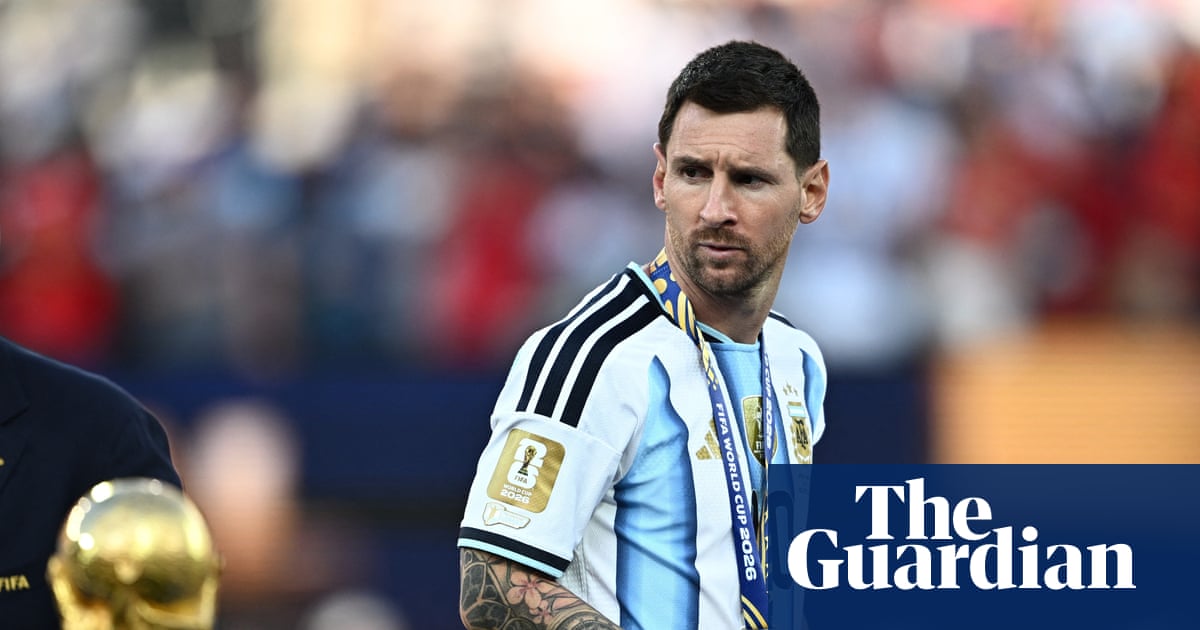
The 2026 World Cup final is already receding into the rearview mirror, but the tactical residue lingers. When Spain lifted the trophy after a 1-0 win, the celebration masked a hollow reality. We watched nearly two hours of football where caution superseded ambition, and defensive rigor strangled the life out of the final act.
Luis de la Fuente did not just beat Argentina; he effectively curated a stalemate. By prioritizing a suffocating structure, Spain stripped the game of its inherent fluidity. It was a victory for the architect, certainly, but a catastrophic defeat for the spectator. Watching the world’s biggest game collapse under the weight of defensive pragmatism is becoming a recurring nightmare.
The shadow cast by 2026
As recent reports have noted, the Argentinian side that stepped onto the pitch for the final was a shadow. They played with a level of limitation that allowed Spain’s defensive blocks to remain static for vast stretches of the match. There was no intent to transition, no willingness to risk the ball in central channels, and ultimately, no desire to win.
Lionel Messi’s final appearance on the global stage deserved a send-off defined by individual brilliance, not a tactical chore. Instead, the match devolved into a series of predictable rotations and low-block encounters. Spain managed the game with the cold efficiency of an accountant, closing down passing lanes and retreating the moment the ball drifted near their final third.
Tactical stagnation as a trend
Reflecting on the 1-0 scoreline, we must ask if this is the new standard for international football. The tournament had promised a return to attacking fluidity, yet the final reverted to the tight, claustrophobic play that characterized the early knockout stages. De la Fuente’s reliance on defensive solidity over creative expression has set a dangerous precedent for future international cycles.
We saw patterns in this final that suggest a worrying trend toward caution. Whenever Spain regained possession, the instinct was not to push the advantage—it was to stabilize. Midfielders like Rodri were instructed to recycle possession laterally rather than probe the gaps behind the Argentinian backline. This shift toward risk-aversion is killing the rhythm that made the early stages of this tournament so compelling.
The accountability gap
We must criticize the officiating and the tactical apathy that defined the encounter. The referee allowed the tempo to dissipate early, failing to discourage the time-wasting that became rampant once Spain found their breakthrough. Argentina offered nothing in the way of a comeback, seemingly content to play for a penalty shootout that never arrived.
It was a pitiful display by both sides. There is no joy in watching a game where the primary tactical objective is to cancel out the opponent’s existence. When the best players in the world are relegated to mere placeholders in a system of defensive rigidity, the sport loses its soul. The outcome was a result for the record books, but it was a failure for the history of the game itself.
I am left wondering if this is what we should expect moving forward. The 2026 final will likely be remembered for its dryness rather than its quality. If this is the ceiling for modern football, we are reaching a point where the game is being managed into irrelevance. The 1-0 scoreline isn't just a number—it represents a refusal to engage with the possibility of greatness.
Read Next
- Spain’s World Cup triumph is marred by an unwelcome pitch invader
- World Cup Final focus remains on tactics, not mid-match theater
- Spain vs Argentina turned into a bitter chess match
- Argentina vs. Spain: The tactical breakdown of Sunday's final
- 🏆 World Cup 2026 — Full Coverage Hub
- 🇪🇸 Spain World Cup 2026 — La Roja Hub
adidas Unisex-Adult Tiro League Soccer Ball
Match-ready touch and seamless construction built for weekend pickup games and d
Frequently Asked Questions
Who won the 2026 World Cup final and what was the score?
Who is the manager of the Spanish national team?
How did Rodri play in the 2026 World Cup final?
Why was Argentina criticized in the 2026 World Cup final?
When did Lionel Messi make his final World Cup appearance?
More Coverage

Why Tottenham Are Screwed and Man City's Perfect Start Means Nothing
1 week, 4 days ago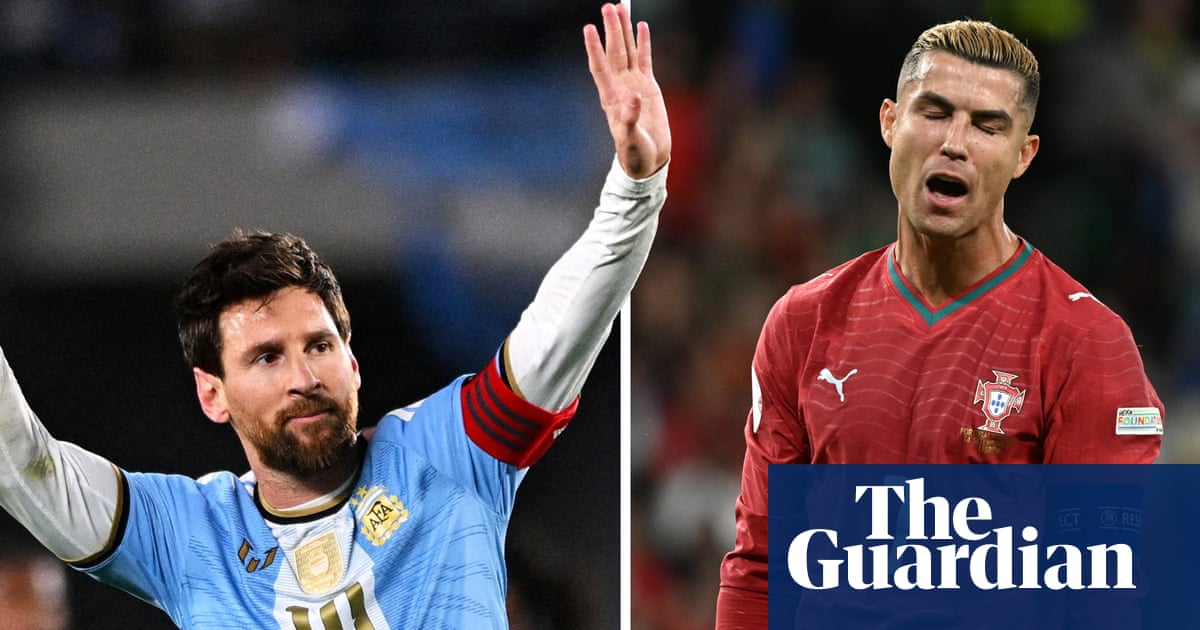
Portugal are about to play their best football in a decade without Ronaldo
1 week, 4 days ago
Top 10: World Football's Biggest Storylines, Scandals, and Shocks of 2026
1 week, 5 days ago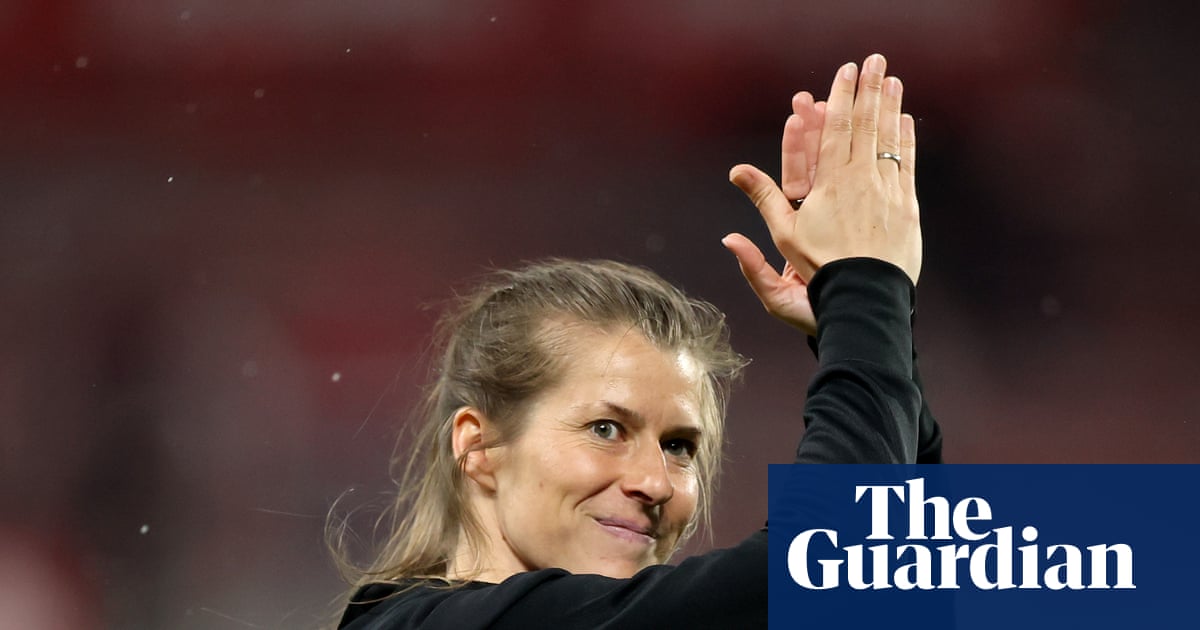
Why Marie-Louise Eta's 4-3-3 shift is working at Union Berlin
1 week, 5 days ago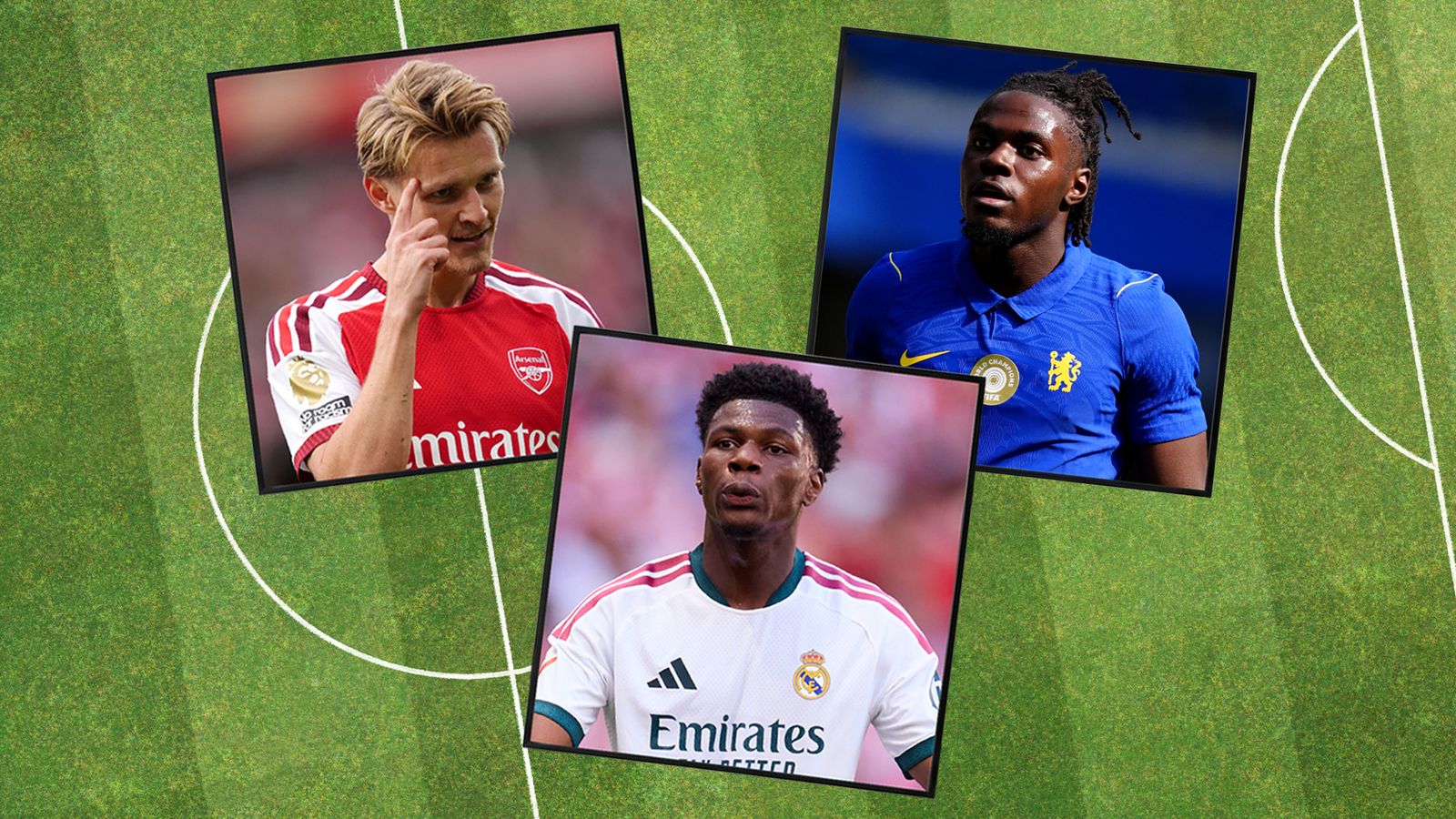
Why Martin Odegaard and Premier League Stars Are Obsessed With VR
1 week, 5 days ago
Messi bids farewell to Argentina as his club ownership plan takes shape
1 week, 6 days agoMore Analysis
Why Tottenham Are Screwed and Man City's Perfect Start Means Nothing
1 week, 4 days ago
Portugal are about to play their best football in a decade without Ronaldo
1 week, 4 days ago
Top 10: World Football's Biggest Storylines, Scandals, and Shocks of 2026
1 week, 5 days ago
Why Marie-Louise Eta's 4-3-3 shift is working at Union Berlin
1 week, 5 days ago
Why Martin Odegaard and Premier League Stars Are Obsessed With VR
1 week, 5 days ago