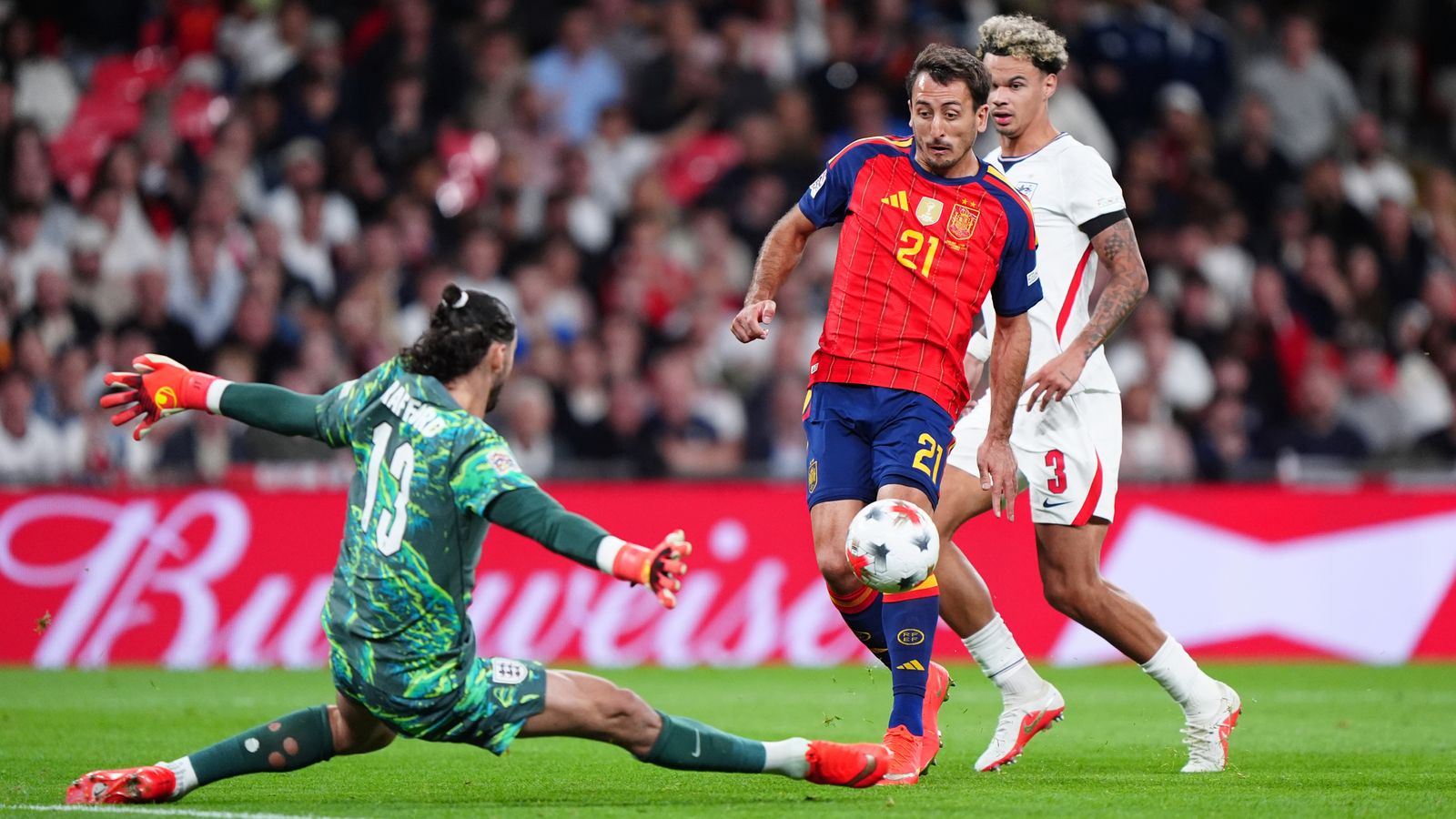
The hangover after the mountain top
Spain finally secured their silverware, taking the World Cup title after a relentless campaign. Watching them dismantle Argentina in the final felt like witnessing a tactical masterclass in efficiency. They kept the ball, suffocated the midfield, and finished when it mattered most. Scoring in the 28th minute meant Argentina spent the remainder of the match chasing shadows.
However, the post-tournament reality is rarely simple. Lifting the trophy makes you the biggest target in the sport. Every nation, from South American juggernauts to emerging European sides, is currently retooling their tactics specifically to negate the Spanish pivot. As Sky Sports reported during the post-match coverage, the intensity Spain faced in the knockout rounds was a preview of what they will encounter every single time they step onto the pitch for the next two years.
Tactical stagnation is the hidden danger
The danger for this Spanish side is resting on last months laurels. Their reliance on controlling the vertical space in the final third worked against Argentina, but it relies heavily on high-line defenders. If the press drops by even 5 percent, the space behind that back line turns into a freeway for pacey strikers.
Technical analysis shows their pass completion rates peaked during the tournament, but their defensive recovery speed in transition remains a blind spot. A more clinical opponent would have converted at least two of the counter-attacks Spain surrendered in the second half. Being a champion implies you have solved the puzzle, but Spain looked vulnerable to raw pace in every game after the quarterfinals.
The squad depth question
Winning a tournament is largely about managing minutes and avoiding injury. Spain succeeded because their core eleven stayed fit through every 90-minute stretch. Yet, the drop-off in output when the substitutes entered the game was stark. The second-choice wingers lacked the ability to disrupt low blocks effectively, forcing the starters to play despite physical fatigue.
If they want to maintain this form leading into the next qualification cycle, management needs to force rotation. Relying on the same block of players for 700 minutes of tournament football is a gamble that rarely pays off twice. We saw the cracks appearing late in the final game when the defensive unit started leaving gaps in the half-spaces.
The path ahead is not a victory lap
I predict a difficult adjustment period for the national team. While the euphoria is currently high, the hunger to improve usually dips after a major tournament win. Fans expect the same dominance, but historical data on post-Cup performance is brutal. Champions often fail to replicate their press intensity within nine months of winning a major title.
My prediction? They fail to maintain this clean sheet record through the next international break. Opponents have the film, the data, and the motivation. Spain will remain a top-five side, but the aura of invincibility will vanish by September. They have the skill, but keeping the hunger alive is a different sport entirely.