Another Committee Walks Into A Bar
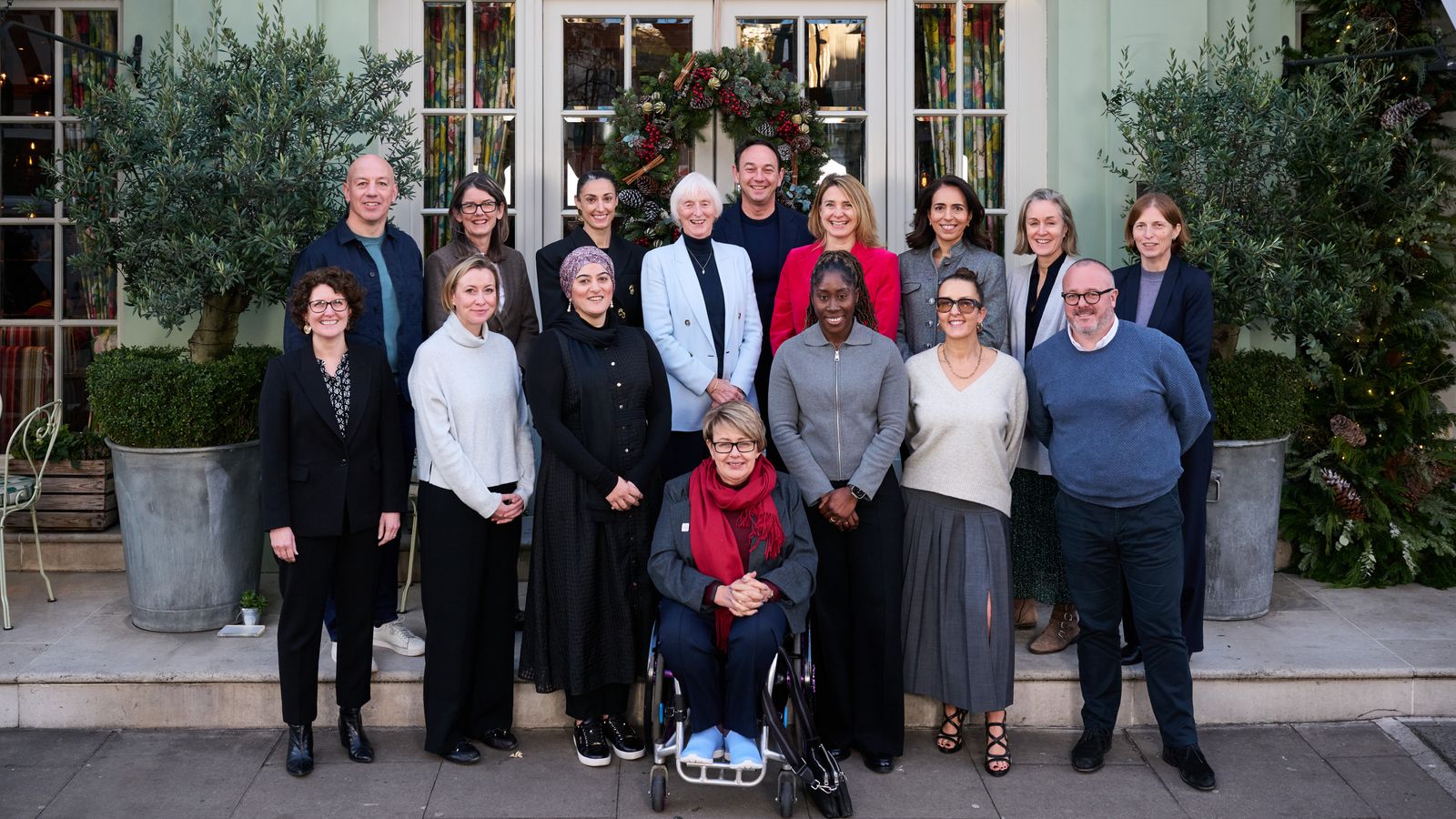
Sky Sports dropped a bombshell announcement this week, and football fans online responded with their traditional blend of polite applause, sharp sarcasm, and utter exhaustion. The network unveiled what it calls the Game Changing coalition, a high-powered council tasked with fixing the participation gap between boys and girls in UK athletics.
The headline numbers behind the push are genuinely grim. According to the research published in the Sky Sports announcement, school-age girls spend 1.4 fewer hours every week playing sport than boys their own age. That works out to every young girl in the country sitting out 52 football matches every single year.
That is not a minor statistical rounding error. That is an entire generation getting shoved toward the sidelines while the boys hog the school astroturf. Naturally, the sports social media sphere erupted the second the press release hit timelines.
Culture Secretary Lisa Nandy showed up to celebrate the Lionesses and the Red Roses, claiming participation rates are soaring at the elite summit. Supporters online were quick to point out the glaring disconnect. Selling out Wembley Stadium is fantastic theater, but it has not stopped local council fields from turning into unplayable mud swamps every weekend.
The Corporate Avengers Meet The Online Skeptics
The immediate reaction from the optimist camp was pure awe at the celebrity roster assembled for this project. Former Sports Minister Dame Tracey Crouch is chairing the group, joined by former Lioness Anita Asante, Scottish tennis matriarch Judy Murray, and WSL boss Nikki Doucet. You also have heavy hitters like UEFA Vice-President Laura McAllister and FA communications director Joanna Manning-Cooper.
On paper, this looks like the Avengers assembling in a boardroom. Commercial giants joined the party too, with executives from Nike, Barclays, and YouTube taking seats alongside England Cricket Board revenue chief Aarti Dabas and World Rugby leader Sally Horrox. Coalition backers argue that this level of institutional clout is exactly what women's athletics has lacked for decades.
Tracey Crouch delivered the most grounded statement of the entire launch during the opening session:
"Despite many excellent initiatives, progress in women's sport remains stubbornly static."
That dose of reality earned early nods of approval from supporters who are tired of hollow celebratory spin. Enthusiasts argued on forums that grassroots programs consistently fail because local councils, commercial brands, and school boards never talk to each other. Having Baroness Sue Campbell from England Netball and Paralympian icon Baroness Tanni Grey-Thompson in the room gives the project genuine political bite.
Then the skeptics took over the comments, and the mood turned cold fast. Football fans have sat through dozens of well-meaning white papers and corporate taskforces that accomplished precisely nothing. The central complaint was brutally simple: when has a 22-person executive steering committee ever drained a flooded pitch in Sheffield?
Supporters also raised eyebrows at some of the more eccentric corporate inclusions. The roster features Mumsnet founder Justine Roberts, Publicis managing director Kate Anthony, entrepreneur Sháá Wasmund, and former MP Baroness Kitty Ussher. Sarcastic fans pointed out that young girls do not abandon athletics because of a lack of marketing agencies or peerages.
The loudest frustration on message boards was the complete absence of regular grassroots workers. Where was the tired youth coach who washes twenty muddy shirts every Tuesday night? Leaving frontline volunteers off the council while inviting global brand directors felt like a classic boardroom mistake.
Target Dates in 2035 and Subscription Upsells
The timeline of this grand rescue plan is where the fan debate gets truly spicy. Sky Sports Chief Executive Jonathan Licht revealed that girls in the UK are losing out on 280 million missing hours of physical activity each year compared to boys. That is a monstrous, alarming deficit that demands immediate triage on actual grass.
Instead, the government offered a target date that feels like science fiction. Lisa Nandy announced a vision to get one million more girls into athletics by the time the UK hosts the Women's World Cup in 2035. That tournament sits nine years away, paired with the 2031 Netball World Cup as legacy milestones.
Fans on Twitter immediately did the devastating math. A nine-year-old girl who cannot find an active team today will be eighteen and finished with school before 2035 arrives. Kicking the target date into the next decade gives politicians an easy out while an entire cohort of youth players ages out completely.
To make the waiting game worse, Sky stated they will not revisit their local constituency data until late 2028. Four years just to check the survey results again is painfully slow. Youth sport moves fast, and four years of data gathering is an eternity for struggling community clubs.
Contrarians also tore into the coalition's three strategic pillars: Play, Watch, and Attend. Combining active participation with watching TV and buying tickets felt uncomfortably transactional to many supporters. Watching professional athletes on a screen does not build stamina, and it certainly does not teach an eight-year-old how to take a proper throw-in.
The cherry on top of the skepticism cake arrived at the very bottom of the media release. As seen on the official Sky announcement page, the impassioned plea for grassroots equality concluded with a button urging fans to upgrade their Sky Sports subscriptions. You have to laugh at the brass neck of dropping a commercial sales pitch beneath a youth welfare manifesto.
Grassroots Realities Trump Executive Slide Decks
When you weigh the opposing arguments, the skeptics win this contest by a mile. Executive working groups love to draft statements, but youth sports live in the dirt. You cannot solve a multi-million-hour activity deficit with panel discussions and corporate pledges.
The real obstacles locking girls out of sports are depressingly mundane. It is eighty-pound hourly rates for synthetic pitches, broken floodlights, locked council gates, and freezing changing rooms without basic privacy. Nike vice president Peter Kilburn and Barclays director Tom Corbett can talk strategy all day, but corporate boardrooms do not line football pitches.
Sky is also backing The Equal Sport Project alongside this coalition, which shows at least some willingness to put money behind the rhetoric. Furthermore, having respected athletes like Anita Asante and ACE Programme founder Ebony-Jewel Rainford-Brent ensures that real sporting experience exists inside the room. They know the reality of being an overlooked young athlete fighting for pitch space.
If this coalition uses its massive reach to slash pitch rental fees and fund coaching badges for young women, everyone will gladly eat their cynical words. But until those millions translate into open gates and dry kits on a frozen November evening, supporters have every right to stay suspicious. Cut the corporate jargon, bypass the slide decks, and put the money directly into the grass where it actually belongs.