A recorded heart rate of 190 beats per minute after two minutes of gentle walking is not a sign of poor conditioning. It is a severe physiological malfunction. For an elite international goalkeeper whose craft demands millisecond reaction windows, that reading represented an existential threat to her career.
When Teagan Micah suffered a concussion in Lyon training in March 2026, the immediate tactical setback was missing the Asian Cup. The lingering clinical consequence was autonomic dysfunction, a neurological condition that prevents the autonomic nervous system from regulating essential, involuntary bodily mechanisms.
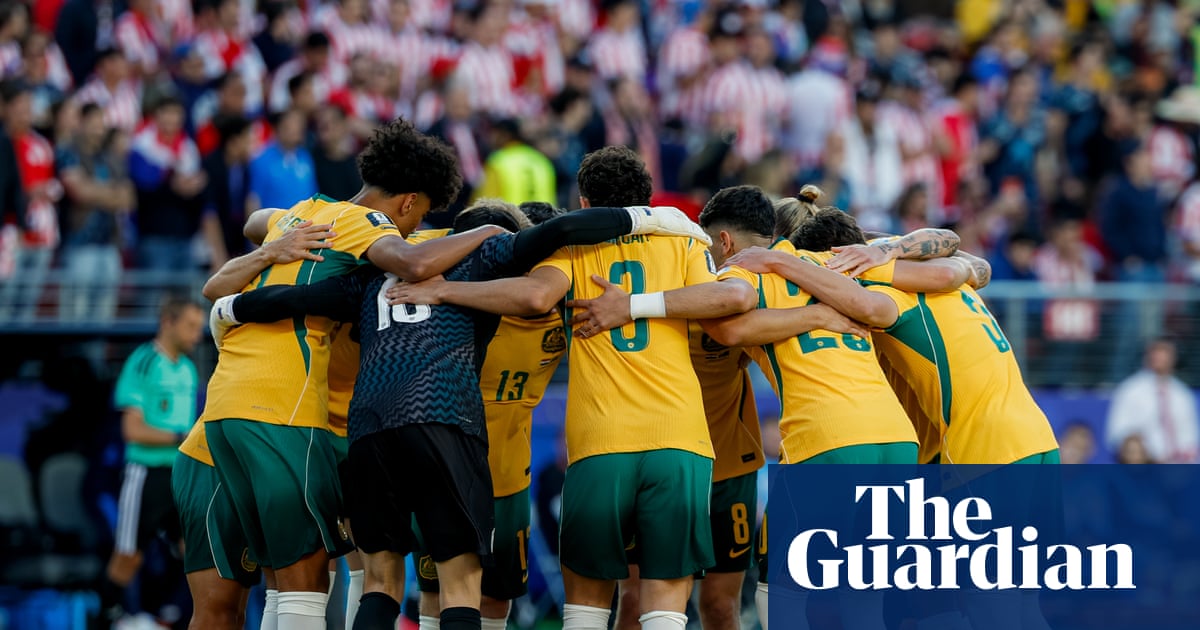
Now, after an absence spanning eight months, the 29-year-old shot-stopper returns to Joe Montemurro’s Matildas squad for their upcoming two-match series against Colombia in Canberra and Geelong. Her clearance by medical teams in Sydney, Geneva, and France is a remarkable personal triumph. Yet from a tactical perspective, reintroducing a goalkeeper with zero competitive match volume into high-stakes international football is a gamble.
Australia enter these fixtures as world No. 15, their lowest baseline in modern history. With the 2027 World Cup draw scheduled for 11 December, Montemurro does not have the luxury of using friendlies for sentimental warm-ups.
The Autonomic Toll Behind Micah's Concussion Cycle
Goalkeepers inhabit a unique metabolic category in modern football. While outfield players log steady aerobic distances between nine and twelve kilometres, a goalkeeper depends entirely on burst anaerobic power, rapid balance recalibration, and saccadic eye movements under pressure.
When autonomic dysfunction takes hold, that balance collapses. The autonomic nervous system dictates heart rate, blood pressure, and vascular response to sudden postural shifts. When a simple two-minute stroll drives an athlete's cardiac output past ninety percent of their maximum threshold, competitive diving and aerial tracking become medically impossible.
The most counterintuitive element of Micah's case is that the physical breakdown did not occur under peak match loading. It manifested during basic domestic movement. She was essentially bedridden in France, unable to leave her apartment without assistance from national teammates Ellie Carpenter, Steph Catley, and Hayley Raso.
This latest diagnosis was not an isolated event. It stems from a cumulative four-year concussive timeline that began with a severe head knock while representing Swedish outfit FC Rosengård in 2022. Multiple traumatic brain injuries compound neurological vulnerability, significantly lengthening the rehabilitation window required for central nervous system stability.
Micah addressed the mental toll of that prolonged medical evaluation on Wednesday morning:
"I had a lot of chats with my family, with doctors, my best friends ... every day about retirement, and it was looking like that for a while."
The turning point required a mid-year intervention. Micah returned home to Australia for two weeks across June and July, consulting domestic clinicians who finally mapped a route back to baseline functionality.
As The Guardian reported, Micah refused to rush her exit:
"I sat down with my family and spoke a lot with them [about retiring] and it was just a matter of ... get back healthy first and then making the decision. I didn’t want to make a decision before that because I knew it wasn’t going to be something I’d be comfortable with ... I just knew I wanted to keep going."
Montemurro's Structural Dilemma Against Colombia
While Micah’s recovery demonstrates remarkable resilience, Montemurro’s tactical reality is unforgiving. Saturday night’s opener in Canberra against world No. 19 Colombia presents an uncomfortable matchup for a goalkeeper seeking rhythm.
Colombia are no longer an erratic peripheral side. They have solidified their position as the second-best team in South America behind Brazil, deploying aggressive pressing triggers and direct transitional speed designed to rattle defensive structures.
In previous tournaments, Colombia proved their ability to isolate opposing goalkeepers through aggressive aerial crowding and second-phase box crashes. Putting a keeper straight into that physical contest after an eight-month layoff tests spatial awareness under severe duress.
Compounding the problem is Australia’s depleted defensive line. Starting centre-back Clare Hunt and versatile defender Charlie Rule remain out with ongoing injuries, leaving Montemurro without his primary defensive anchor.
Without Hunt managing the offside line and winning first-contact aerial duels, the Matildas give up high-quality central chances at an alarming rate. A disjointed central defense puts immediate pressure on the goalkeeper's decision-making in one-on-one scenarios.
Everton attacker Holly McNamara is also unavailable until late December due to a hamstring injury. Her absence removes an essential counter-attacking outlet that usually pins opposing full-backs deep in their own half.
The Shot-Stopping Hierarchy Between Micah and Arnold
The goalkeeping hierarchy within the Matildas camp remains finely poised. Mackenzie Arnold cemented her position as the undisputed starter during the 2023 tournament cycle, but Micah’s technical ceiling has kept the competition genuine.
At 29 years old, Micah possesses superior technical footwork when distributing under pressure. Montemurro’s possession-oriented game model demands a goalkeeper capable of breaking the first line of an opponent's press with crisp ground passes.
However, Arnold’s command of the penalty area remains superior during moments of chaotic box defending. Choosing between Arnold’s raw aerial dominance and Micah’s floor distribution is a tactical trade-off that Montemurro has yet to definitively solve.
As detailed in reports from The Guardian's coverage, Micah admitted that returning to full health forces an honest reassessment of her ambitions heading toward the 2027 World Cup in Brazil:
"I need to probably go back to the drawing board and write down what I want to achieve now with the rest of my career. Now that I feel good and I’m ready to go it’s like where do I want my career to take me ... [I want] to use this second chance I have."
Wanting a second chance is natural. Earning it in international football requires concrete numbers, clean sheets, and consistent execution under intense pressure.
Squad Imbalances and the Looming Brazil 2027 Draw
The Matildas squad for this window features six returning players who missed previous camps. Mary Fowler, Kyra Cooney-Cross, Alanna Kennedy, Tameka Yallop, and Kahli Johnson rejoin Micah in camp, restoring technical quality across the midfield and forward lines.
Yet the broader numbers expose an uncomfortable structural decline:
- Australia have slipped down to 15th in the world rankings, narrowing the statistical gap against 19th-ranked Colombia to just four places.
- Key defensive injuries have forced Montemurro into rotating makeshift backlines in three consecutive international windows.
- The squad remains heavily dependent on veterans from the 2020 Olympic roster, with minimal developmental minutes handed to emerging domestic prospects.
This ranking slippage directly impacts tournament seeding. With the World Cup draw taking place on 11 December, dropping further ranking points against Colombia could consign Australia to a brutal pot allocation for the 2027 tournament in Brazil.
The Matildas cannot treat these two fixtures in Canberra and Geelong as an experimental exhibition. They need results, and they need them with defensive stability that has eluded them throughout 2026.
Montemurro’s tactical challenge is twofold: he must integrate dynamic playmakers like Fowler and Cooney-Cross into a functional pressing shape, while simultaneously shielding a backline missing its best defender.
If Micah starts on Saturday night, Colombia’s forwards will test her handling from distance immediately. International scouting departments do not show sympathy to players recovering from head trauma. They hunt vulnerabilities.
A goalkeeper recovering from autonomic dysfunction must prove their vestibular system can process twenty-two moving bodies, unpredictable deflections, and blinding stadium lighting without sensory lag. That is an entirely different test than passing static clinical assessments in Geneva or Sydney.
Teagan Micah's journey back to the Matildas is an extraordinary medical accomplishment. But once the whistle blows in Canberra, sentiment evaporates. Montemurro and Australia need points, defensive coherence, and a goalkeeper who commands her box with total authority.
Read Next
- Top 10: Top Moments
- Arsenal are about to tear Manchester City apart on Sunday
- Manchester City are leaking goals and Arsenal cannot finish their chances
- Arsenal and Man City fans are losing their minds right on schedule
- 🇨🇴 Colombia World Cup 2026 — Los Cafeteros Hub
- 🇵🇹 WC 2026 Group K — Portugal, Colombia, Uzbekistan