Why Steve Clarke’s formula reached its expiration date
Steve Clarke took charge of Scotland in May 2019, just two months after a catastrophic 3-0 defeat in Kazakhstan. The national team had endured a grueling two-decade drought without appearing at a major tournament. Clarke rebuilt the side from the ground up, establishing defensive organization and leading Scotland to 3 out of 4 major finals.
That pragmatic approach delivered remarkable consistency, taking Scotland to back-to-back European Championships and the 2026 World Cup. However, the limit of that approach became clear in the United States this summer. Scotland fielded one of the oldest squads at the tournament and struggled whenever forced to chase matches against athletic opposition.
The team relied heavily on a low block that protected central defenders but offered minimal threat in transition. Opponents comfortably controlled midfield possession, leaving Scotland's forwards isolated for long spells. By the end of the group stage, fans and pundits alike recognized that playing defensively had achieved all it could.
As BBC Sport reported, the Scottish FA decided it was time to change direction rather than wait for decline. Chief football officer Craig Mulholland made the governing body's ambition clear when announcing the new management team. Scotland needed to evolve from a position of strength while the squad possessed top-tier talent.
Mulholland emphasized that the incoming head coach was selected to change the team's visual identity on the pitch.
"will bring an aggressive, front-foot style of play that will excite supporters"
The appointment signals an explicit break from seven years of cautious counter-attacking football.
The Belgian coach's tactical philosophy and Monaco warning sign
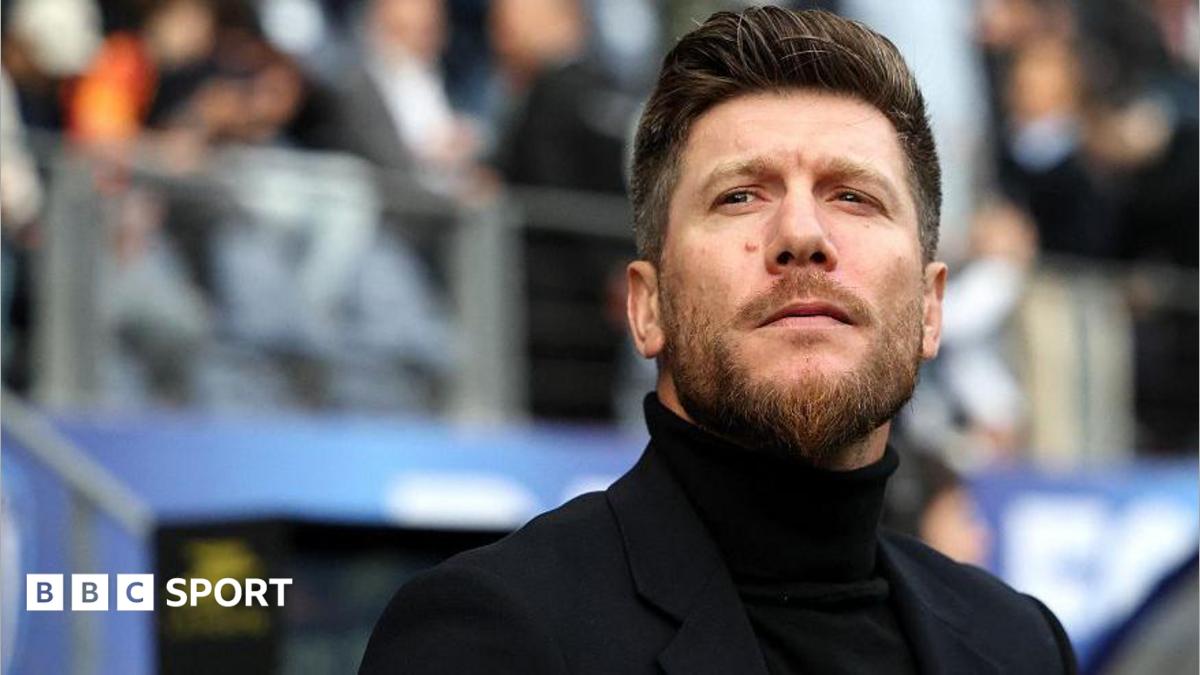
Sébastien Pocognoli arrives on an initial two-year contract with an impressive tactical track record in club football. The 39-year-old former left-back won Belgian Coach of the Year after leading Union Saint-Gilloise to their first league title in 90 years during the 2024-25 season. His USG team stood out for relentless high pressing, quick regain triggers, and vertical attacking passing.
Pocognoli outlined his footballing vision during his initial discussions with the Scottish FA.
"a dominant one, with and without the ball"
He also demanded "real mastery in possession" from a group that often panicked when pressed high up the pitch during Clarke's final games.
Pocognoli's background aligns with the Scottish FA's long-term desire to modernize player development. He gained valuable experience coaching Belgian youth national teams, alongside academy stints at both Genk and USG. Having earned 13 senior caps for Belgium during their golden era, he understands the demands of the international game from the inside.
Yet his recent managerial record includes a glaring red flag that Scottish supporters must keep in mind. Monaco sacked Pocognoli in June after just 8 months in charge. His aggressive high line collapsed in Ligue 1 when opponents repeatedly bypassed Monaco's midfield press and hit the channels behind overcommitted full-backs.
Applying that high-intensity pressing blueprint to an international side presents massive practical hurdles. Club managers work with players daily, whereas international coaches get a handful of sessions per window to drill complex pressing triggers. If Pocognoli tries to implement a high defensive line too quickly, Scotland could easily end up exposed at the back.
Phasing out the veterans and building around new talent
Pocognoli inherits a squad transitioning between generations. Established leaders like captain Andy Robertson, John McGinn, and Scott McTominay still compete at the highest European level. In his exit interview, Clarke insisted this core group is "not finished yet," providing Pocognoli with experienced leadership during his initial tactical overhaul.
However, refreshing the starting lineup is non-negotiable if Scotland want to play high-tempo football. Concerns over Scottish youth development have simmered for years, but several young players are ready to take on larger responsibilities. Integrating these fresh prospects will determine whether Pocognoli's tactical shift succeeds.
Ben Gannon-Doak has already established himself as a regular international winger at just 20 years old. His direct 1v1 dribbling gives Scotland a pacey transition threat that forces opposing full-backs into deep positioning. Meanwhile, 19-year-old Findlay Curtis proved his composure under pressure during two late substitute appearances at the World Cup.
The central midfield unit is also set for a younger look. Teenage midfielder Tyler Fletcher traveled to the World Cup in the United States without getting on the pitch, but his press-resistant style fits Pocognoli's possession targets. Lennon Miller and 23-year-old Kieron Bowie are both heading to Serie A next season, where tactical testing will accelerate their maturity.
The most intriguing addition is up front, where 22-year-old striker Robbie Ure could finally solve Scotland's goalscoring issues. Ure enjoyed a prolific goalscoring run with Swedish club Sirius before earning a transfer to La Liga side Sevilla earlier this month. His sharp off-the-ball movement and clinical finishing offer a vertical focal point that Scotland lacked under Clarke.
According to Scottish FA reports, Pocognoli will evaluate several key prospects during his opening training sessions:
- Robbie Ure: 22-year-old Sevilla striker bringing La Liga pedigree to the front line.
- Ben Gannon-Doak: 20-year-old winger offering explosive 1v1 dribbling on the flank.
- Findlay Curtis: 19-year-old attacking midfielder who featured twice at the 2026 World Cup.
- Lennon Miller and Kieron Bowie: Serie A-bound duo adding tactical discipline in central areas.
Navigating an extended four-game Nations League window
Pocognoli benefits from a unique scheduling setup for his opening international camp. UEFA has created an extended window lasting three weeks across late September and early October to reduce mid-season club interruptions. That extended period grants the Belgian precious extra time on the training pitch to instill his tactical patterns.
Scotland begin their Nations League campaign on 26 September with a difficult away match against Slovenia in Ljubljana. Three days later, on Tuesday 29 September, they return to Glasgow to host Switzerland at Hampden Park. The intense schedule continues on 3 October away to North Macedonia before concluding against Slovenia at home on 6 October.
The opening match in Ljubljana will likely reveal immediate growing pains. Shifting from Clarke's defensive low block to Pocognoli's high-pressing shape requires split-second spatial awareness that takes time to master. Slovenia's direct counter-attacking style could catch Scotland's advancing full-backs out of position during early transitions.
However, the Hampden Park clash against Switzerland on 29 September offers a chance to stabilize. With extra training days under their belt, Scotland's midfielders should manage possession more effectively and limit turnover risks. Expect McTominay and McGinn to drive forward from midfield while Ure stretches the Swiss back three.
The back-to-back fixtures in October against North Macedonia and Slovenia will test squad depth across four games in three weeks. Pocognoli's experience coaching youth teams in Belgium will prove vital as he rotates younger players like Fletcher and Curtis into competitive action. Managing player fatigue while demanding relentless pressing will be his first major management test.
Scotland fans must prepare for a bumpy ride during this autumn transition. Abandoning a defensive system that yielded three tournament qualifications in seven years carries clear risks, as Pocognoli's sack at Monaco demonstrated. Yet sticking with a defensive low block offered diminishing returns against elite international opposition.
If Pocognoli balances his high-pressing vision with practical defensive coverage, Scotland can modernize their style while staying competitive. The upcoming Nations League campaign will not be flawless, but it represents a necessary leap forward. Bringing in fresh blood like Ure and Doak gives Scotland their best chance of evolving before co-hosting Euro 2028.
Read Next
- Scotland gamble on Sebastien Pocognoli after Steve Clarke era ends
- Top 10: Top Moments
- Sebastien Pocognoli leads race for Scotland manager job
- Why Modern Football Fans Track the Superstars, Not the Clubs
- 🏴 Scotland World Cup 2026 — Tartan Army Hub
- 🇧🇷 WC 2026 Group C — Brazil, Morocco, Scotland, Haiti
- 🏆 UEFA Nations League Final Four 2026 Hub — June 4-8, Lisbon