The First-Half Goal Drought Exposes Amorim's Structural Flaws
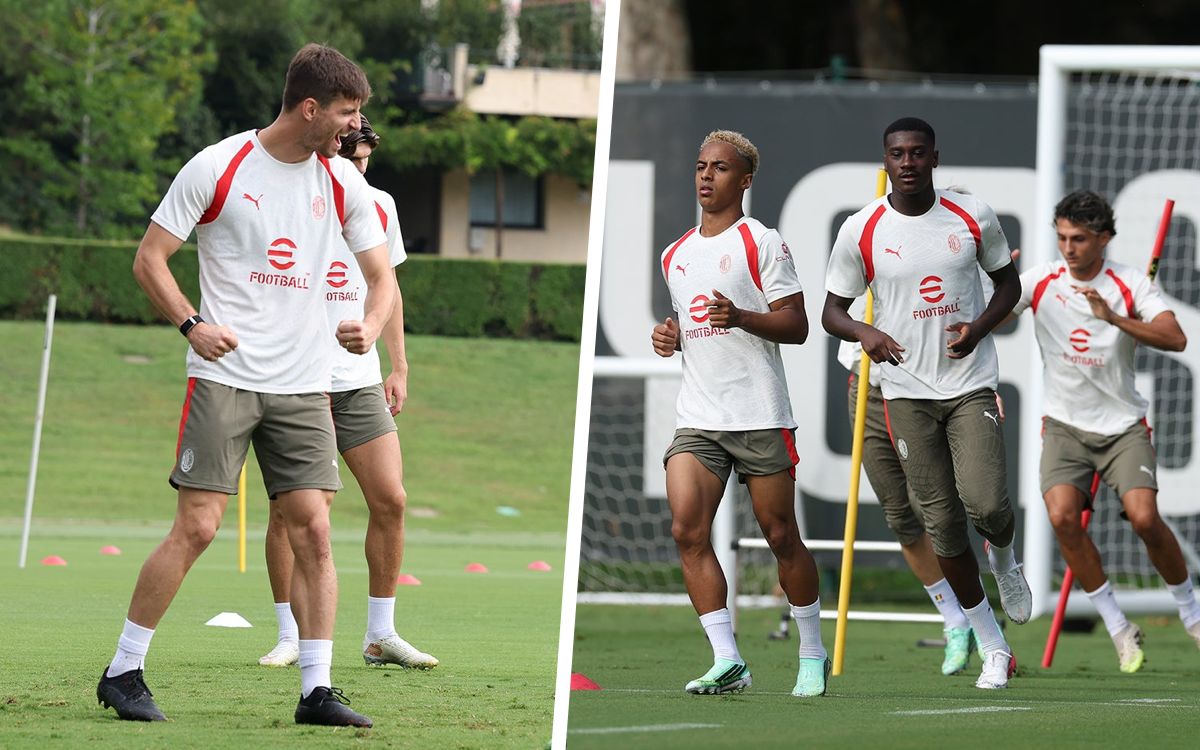
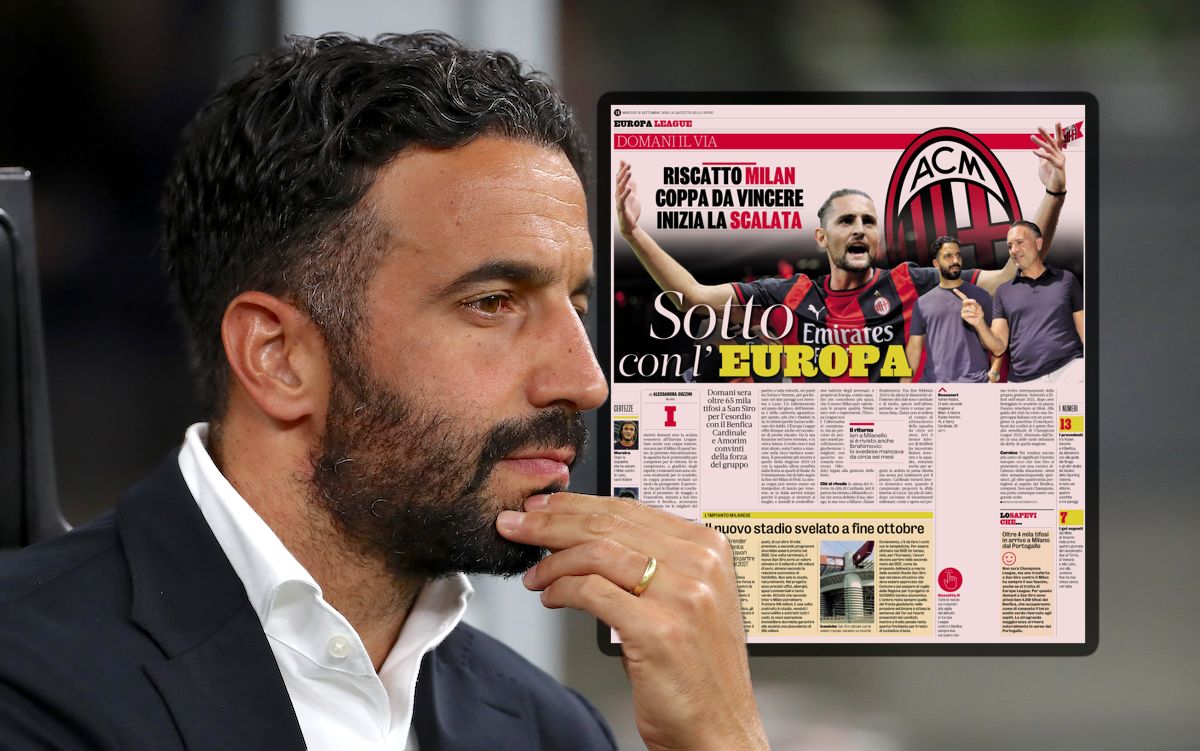
Wednesday night's Europa League loss to Benfica in Lisbon laid bare the structural limitations of Ruben Amorim's early tenure at AC Milan. The Portuguese manager returned his squad to work at Milanello on Thursday morning. Starters from Wednesday underwent light recovery, while full preparations began on Friday for Sunday evening's Serie A clash against Lecce at San Siro.
The core issue troubling Milan supporters is not just the midweek defeat. It is the team's total inability to generate early offensive momentum. Milan have scored 0 first-half goals across all competitions this season. They spend the first 45 minutes recycling possession harmlessly across the backline without penetrating central spaces.
This passive approach forces Amorim into constant mid-game rescue missions. In fact, the 1-1 draw against Juventus stands as the only match this season where the coach refrained from making multiple substitutions before the 60th minute. Relying on late bench salvos is a dangerous strategy that failed completely in Portugal.
San Siro will expect immediate answers when Lecce arrive on Sunday. Lecce will inevitably deploy a compact 5-4-1 mid-block, closing down half-spaces and inviting Milan to pass sideways. As reported by SempreMilan, tactical adjustments are already underway at Milanello to avoid another stagnant opening period before the upcoming international break.
Amorim's system relies heavily on fluid rotations between wing-backs and attacking midfielders. However, when those rotations lack crispness, the attack becomes predictable. Opponents simply shift their defensive block sideways, forcing Milan back to their central defenders.
The Wing-Back Dilemma and the Athekame Transfer Mistake
The selection problems start on the flanks, where Amorim's choices have created imbalance. Pervis Estupinan and Davide Bartesaghi both suffered miserable outings in recent matches. Neither player offered consistent defensive protection or productive crosses into the box.
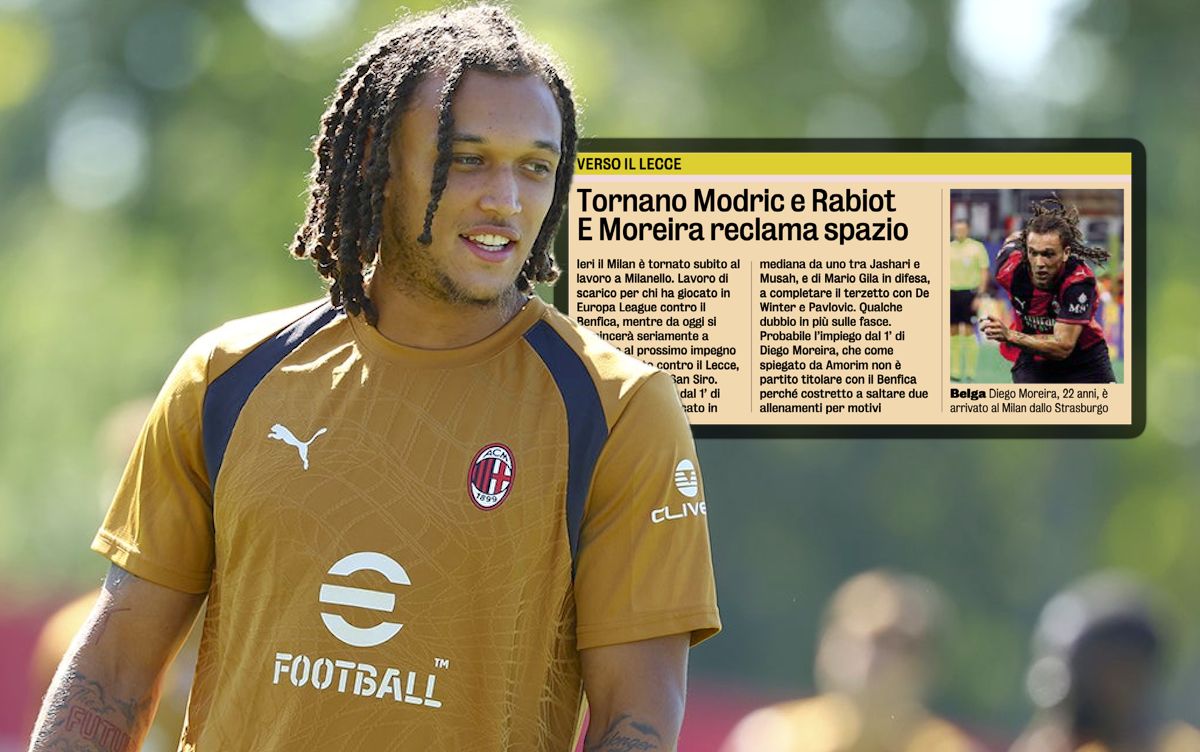
That leaves Diego Moreira as the primary option on the left wing-back position. The Belgian wide player missed two training sessions prior to the Benfica match due to personal reasons, as Amorim explained to the media. Moreira's return brings needed directness, though his positioning remains raw.
On the right side, forcing Samuel Chukwueze into a defensive wing-back role is a tactical miscalculation. Chukwueze looked utterly shattered during the second half against Benfica. Asking a natural winger to make 70-yard recovery runs drains his attacking spark and leaves huge gaps behind him.
Alexis Saelemaekers offers far superior structural discipline at right wing-back. Starting Saelemaekers allows Milan to maintain a proper defensive shape when transitioning out of possession. Yet the root of this tactical headache stems from questionable roster management during the transfer window.
Sending Zachary Athekame out on loan was a glaring oversight by the club. Athekame provided the exact physical profile needed to rotate with Saelemaekers at right wing-back. Operating without a natural alternative forces Amorim to play wingers out of position.
There is also a fundamental contradiction in Amorim's wide strategy. Playing inverted wing-backs alongside inverted playmakers creates unnecessary congestion in the middle. Milan need traditional wing-backs who overlap to supply width, allowing central attackers to operate inside the penalty box.
- Restoring Alexis Saelemaekers to right wing-back fixes defensive transition gaps on the right flank.
- Deploying Diego Moreira on the left provides natural width while Christian Pulisic cuts inside.
- Pairing Luka Modric with Adrien Rabiot accelerates ball movement against low defensive blocks.
Fixing the Dual-Ten Setup: Why Pulisic Must Start Over Cisse
The most confusing aspect of Amorim's lineup decisions has been his usage of Christian Pulisic. The American playmaker is still waiting for his first start of the season despite being Milan's most efficient creator between the lines. Keeping Pulisic on the bench while the offense stutters makes little tactical sense.
According to lineup updates from MilanNews, Pulisic is finally anticipated to start against Lecce in the 3-4-2-1 setup. Stationing Pulisic on the left side of the dual ten role allows him to drive inside onto his right foot. That movement opens up the wide channel for Moreira to overlap.
On the right side of the attack, 18-year-old Alphadjo Cisse has captured fan attention by scoring two brilliant individual goals. However, evaluating Cisse over a full 90 minutes exposes significant developmental flaws. Cisse is noticeably slow on the ball, struggles with progressive passing connections, and frequently halts team buildup.
Cisse's sharp shooting ability makes him an ideal option off the bench against tired defenders. But starting him in matches requiring quick combination play hampers overall fluidity. Some observers advocate testing Cisse long-term as a central striker given his hold-up strength, but he is not currently ready to direct play from the half-space.
The club invested €50 million to bring in left-footed Omari Hutchinson for that exact right-sided attacking role. Until Hutchinson is fully integrated, pairing Pulisic with Chukwueze or Rabiot behind the striker offers much cleaner passing tempo.
Placing players in positions where their natural footwork aligns with team movement is basic football logic. Forcing unnatural combinations on the pitch only slows down decision-making when quick passing is required.
Midfield Control and Unlocking Gonçalo Ramos
In central midfield, Luka Modric's inclusion against Lecce is essential. Modric possesses the vision to break down rigid defensive lines with first-time passes. Partnering Modric with Adrien Rabiot gives Milan the right balance of technical precision and physical ball-carrying.
Yunus Musah and Ardon Jashari offer energetic qualities off the bench, but Modric must dictate the rhythm from the opening whistle. Against a team content to defend deep, Modric's ability to switch play quickly will prevent Lecce from settling into comfortable positions.
Defensively, Mario Gila returns to join Koni De Winter and Strahinja Pavlovic in the back three ahead of Mike Maignan. Benching Fikayo Tomori and Matteo Gabbia provides the backline with extra lateral quickness to defend counter-attacks. Gila's ability to step forward into midfield will help sustain pressure in Lecce's half.
Up front, Gonçalo Ramos finds himself trapped in a mini goal drought that demands attention. Ramos has covered more distance than any player on the pitch in every match this season. His pressing work rate is tireless, but he is running himself into exhaustion without receiving proper service.
Milan's midfielders must provide Ramos with quick ground passes inside the penalty area rather than forcing him into isolated aerial duels. If Ramos tires again near the hour mark, 18-year-old Francesco Camarda should receive a meaningful 30-minute appearance rather than remaining an unused spectator.
Match Outlook: San Siro Requires Immediate Urgency
Lecce will visit San Siro with a clear strategy: frustrate the home crowd, absorb central pressure, and hit long balls into the channels behind Pavlovic and De Winter. Previous opponents successfully neutralized Milan by doubling up on wide areas and forcing back-passes.
Amorim cannot afford to wait until the 60th minute to adjust his tactical shape on Sunday. If Milan start sluggishly again, tension inside San Siro will build rapidly. Early movement from Pulisic and quick central distribution from Modric are mandatory to break Lecce's resolve.
Expect Milan to break their first-half goal drought before halftime through a sharp Pulisic combination play inside the penalty box. Once Lecce are forced to push forward, space will open for Ramos to score and secure a 2-0 victory.
Winning on Sunday is the absolute baseline expectation for Milan heading into the international break. However, securing three points against Lecce will only satisfy supporters if Amorim demonstrates that his tactical framework can deliver proactive, convincing football from the start.
Read Next
- Ruben Amorim Is Already Running the Classic Excuses Playbook at AC Milan
- AC Milan's Europa League gamble backfires instantly against Benfica
- Ruben Amorim needs 15 points in Europe to fix Milan's domestic slump
- Ruben Amorim's heavy rotation against Benfica is a dangerous gamble
- 🇺🇸 USMNT World Cup 2026 — Team USA Coverage Hub
- 🇭🇷 Croatia World Cup 2026 — Modrić's Farewell
- ⚽ Serie A 2025-26 — Title Race Hub (Inter, Napoli, Juve, Milan)