The pivot point of Pep Guardiola's strategy
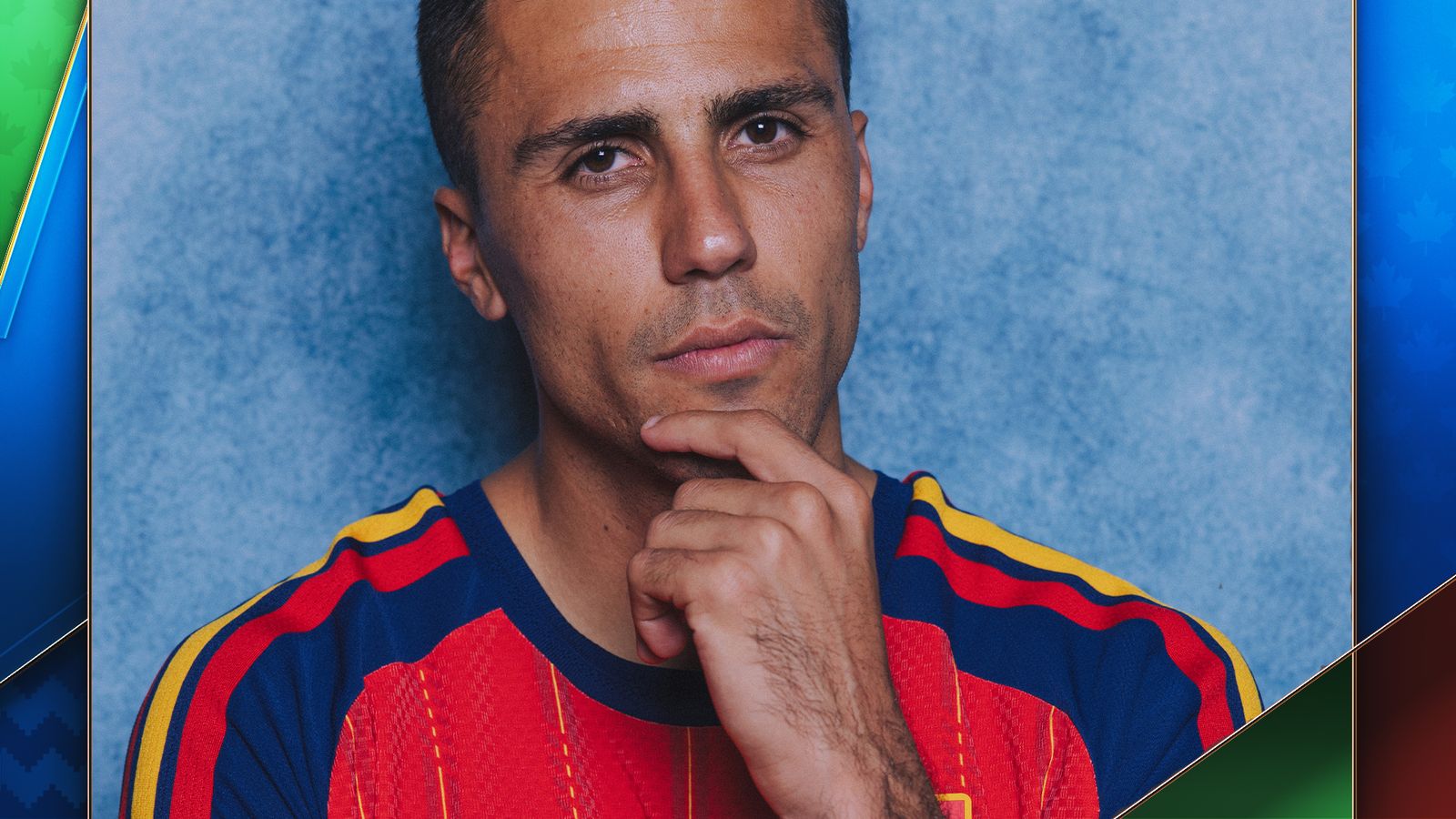
Any tactical appraisal of Manchester City begins and ends with the midfield anchor. As Sky Sports has recently highlighted, Rodri has returned to his absolute peak, reaffirming why Guardiola’s long-standing predictions about his influence carry such weight. We are watching a technician who effectively functions as both a deep-lying playmaker and a protective screen. His positioning is rarely aggressive by accident; he forces opponents into congested channels while maintaining a pass completion rate that sits comfortably above 92 percent.
Mapping the defensive transition
The danger for any side facing City lies in the recovery phase. When possession is lost, Rodri triggers the immediate counter-press, often occupying the central space between the two centre-backs. He rarely commits to a tackle where he might be bypassed; he forces a sideways pass or a hurried long ball. His anticipation of the second ball allows the wing-backs to push high, knowing the space behind them is covered by his disciplined lateral movement.
However, there is a fragility in this high-line approach. If a fast-breaking team manages to bypass the first wave of the press, the gap between the defensive line and the back four can widen dangerously. In the recent fixture against high-pressing opponents, City surrendered possession in the middle third at an average of 14 times per 90 minutes. That is a small but recurrent window of vulnerability that top-tier teams will undoubtedly look to exploit.
The evolution of the central role
Modern holding midfielders are often expected to be all-action disruptors. Rodri offers a different profile. He reads the game like a defender but distributes with the vision of a number ten. His ability to switch play to the opposite flank within two touches essentially breaks the defensive shape of the opposition before they can shift their own block. This distribution is the primary rhythm setter for the entire squad.
Watching him operate in the transition, you don't see frantic recovery runs. You see calculated recovery angles. He forces attackers into the touchline, effectively turning the sideline into an additional defender. It is a masterclass in spatial awareness that goes largely unappreciated by those watching the highlight reels of the goalscorers.
Why the control holds up
As we look toward the remainder of the season, the reliance on this specific role continues to grow. When City lacks that central stability, the defensive xG figures typically jump from 0.7 to 1.4 per match. That variance is proof that his presence isn't just about controlling the ball; it’s about controlling the risk of the entire system. Without him to extinguish the fires during transition, the high defensive line is simply an invitation for disaster.
My prediction for the coming weeks is straightforward: City will remain the team to beat strictly because this central pivot is currently operating with zero margin for error. While critics point to the occasional lapses in the wide areas, the core of the team remains tighter than it has been in two years. Expect them to concede fewer than 0.8 goals per match through the next block of fixtures. They have found their rhythm, and until a side can effectively man-mark that deep-lying playmaker out of the game, the blueprint for beating them simply does not exist.
Read Next
- Pep staying at City is the most boring outcome in football history
- Christos Tzolis fills a major tactical void at Arsenal
- Man City's interest in Ibrahim Mbaye adds unnecessary noise to their summer
- Old Trafford is currently a dumpster fire of bad PR and weird rumors
- 🇪🇸 Spain World Cup 2026 — La Roja Hub