
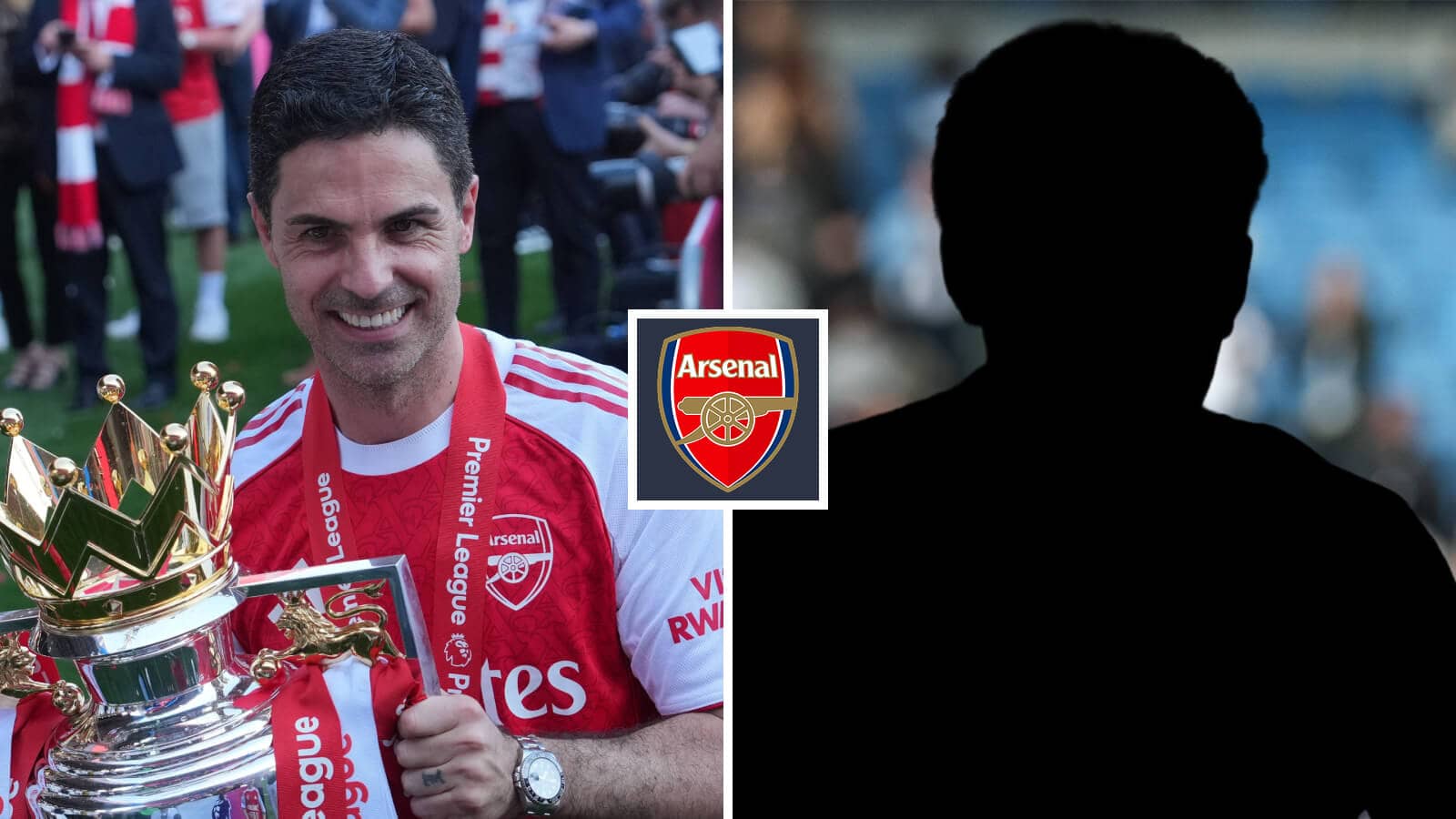
The changing of the guard on the left flank
Mikel Arteta has spent the better part of two years refining the left-hand channel in his attacking third. With the recent confirmation of Leandro Trossard's exit, that chemistry required an immediate injection of energy. Arsenal appear to have found their man in Christos Tzolis, with verbal agreements now solidified for a fee of £33.9 million.
This isn't a splashy signing for the sake of headlines. It is a calculated move to replace the specific profile Trossard occupied. Tzolis, coming off a campaign with Club Brugge, brings a directness that shifts the geometry of how Arsenal approach the penalty area. If you watched his movement in transition last season, you saw a player who prefers to attack the end line rather than tucking into the half-space exclusively.
Tactical implications for the Arteta system
The primary concern regarding Arsenal’s attack over the last campaign was the stagnation when teams sat in a low block. In matches throughout the 2025/26 season, particularly against sides using a 5-4-1 mid-block, the lack of a true isolated dribbler on the left became a bottleneck. Tzolis addresses this by hugging the touchline, creating wider passing lanes for Declan Rice to exploit.
As BBC Sport recently noted, the scale of this move suggests a rapid integration timeline. Arteta rarely buys players he does not trust for immediate rotational duty. However, there is a legitimate question about his adaptability to the physicality of the Premier League. His technical ceiling is high, but the transition from the Belgian top flight demands a physical adjustment that often strips speedier wingers of their confidence in the opening months.
The numbers behind the deal
The financial commitment of 40 million euros is significant for a player entering his mid-twenties. The board is backing Arteta’s assessment that the current ceiling of the squad needed an elevation in individual shot-creation volume. According to reports from Mirror Football, the deal moved forward at an accelerated pace once the Trossard departure was formalized.
It is important to acknowledge that this move leaves little room for error. If the chemistry between Martinelli, Havertz, and the new signing fails to materialize, the structure of the left-side interior buildup could suffer. We have seen Arsenal streamline their recruitment under Edu, but high-stakes wing swaps are notoriously difficult to stabilize. Tzolis must hit the ground running by the opening fixture to justify such a clean surgical strike on the market.
Predicted impact on the starting XI
Expect Arteta to test this partnership during the upcoming pre-season rotation. If Tzolis settles, he offers the diagonal threat that keeps opposing full-backs honest. This prevents the defense from collapsing toward Bukayo Saka on the right, which was the undoing of several attacking sequences last autumn. I suspect he registers a goal contribution within his first 180 minutes of league play by targeting the backtracking full-back.
The pressure is real, but the tactical logic is sound. Bringing a natural technician into the left channel allows the entire system to breathe again. My call? He finishes as a regular starter by November, provided he handles the intensity of the high-press, though the initial bedding-in period will test the patience of the Emirates faithful.
Read Next
- Arsenal's move for Christos Tzolis: The Trossard insurance policy
- Tottenham prioritize Savinho as Benfica complicates Schjelderup pursuit
- Arsenal face defensive crisis as Saliba returns with back injury
- Declan Rice needs a brutal reality check at Arsenal
- ⭐ UCL 2026 — Champions League Quarter-Finals Hub





