The Tactical Setback
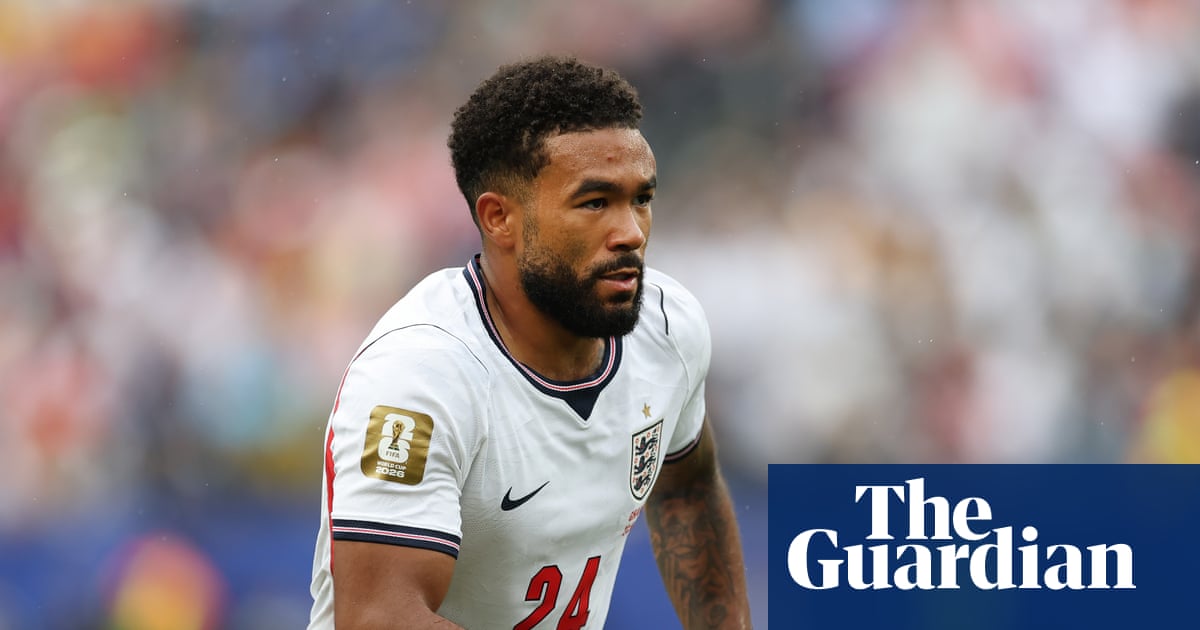
England manager Thomas Tuchel faces his first major tactical crisis of the World Cup campaign. Right-back Reece James has been ruled out for two matches at least due to a hamstring injury. The Chelsea defender reported tightness in his hamstring, triggering immediate concern within the national team camp.
The setback sidelines James for the upcoming clash against Panama and the following fixture. Medical staff are working to determine if the defender can feature later in the tournament. Tuchel now must reconfigure a defense that relied heavily on James's physical presence and tactical versatility.
As The Guardian reported, James sustained a hamstring setback in March that sidelined him during club duty. Returning to the international stage only to break down again suggests his rehabilitation was either rushed or incomplete. England's coaching staff must now find a viable alternative for the right-back role.
The Panama Threat and Tactical Pivots
England's upcoming opponents will look to exploit this sudden weakness on the right flank. Panama enters the match as underdogs but will feel energized by James's absence.
Their winger pace could pose problems for a makeshift English defense. Tuchel cannot afford a slip-up in the group stage.
Panama's coaching staff will analyze England's defensive transitions without James. James's ability to recover quickly allowed England's central defenders to push high up the pitch. Without that cover, the entire defensive line must drop deeper to avoid being bypassed.
This tactical adjustment limits England's pressing game. When the defensive line drops, it creates space in the midfield. Opponents can exploit this gap to build possession and frustrate England's pressing units.
Tuchel's squad selection gamble failed.
The Medical Blueprint
Hamstring tightness is often the first warning sign of a recurrent tear. For a player with a history of hamstring problems, even minor tightness requires an immediate shutdown. The risk of a full-grade tear is extremely high when scar tissue from previous injuries is present.
Rehabilitation for hamstring tightness involves active recovery and eccentric strength training. The goal is to lengthen the muscle fibers and improve elasticity. The medical team has outlined a conservative three-stage recovery process:
- Immediate cessation of high-speed running to prevent fiber tearing.
- Targeted physical therapy to address muscle imbalances and scar tissue.
- Gradual reintroduction to team training, starting with light agility drills.
England's medical team is using advanced recovery protocols to accelerate James's return. Hyperbaric chambers and targeted physical therapy are standard. Rushing a hamstring recovery is notorious for causing immediate re-injury.
The Biomechanical Breakdown
Hamstring injuries are notoriously difficult to manage because of the muscle's role in deceleration. During a sprint, the hamstring works eccentrically to slow down the leg. Scar tissue does not stretch.
This is why James's recurring issues are so concerning. The scar tissue from his March setback likely made him vulnerable to this latest episode. A player who relies on explosive acceleration cannot afford to lose muscle elasticity.
England's fitness staff must identify the root cause of these recurring strains. Is it a running mechanics issue, or a strength imbalance? Without answering these questions, the cycle of injury and rehab will continue indefinitely.
The Squad Gamble Backfires
Tuchel's decision to include James in the World Cup squad looks like a major gamble that has backfired. Taking a player who was recovering from a March hamstring injury was always risky. Now, England has wasted a squad spot on a player who cannot contribute when it matters most.
The right-back position was once England's greatest strength. Now, injuries and aging stars have depleted those options. Tuchel must choose between a defensive specialist or a wing-back option to fill the void.
If England switches to a back three, the physical demands on the right wing-back will increase. This could put further strain on the remaining squad members. The cascading effects of one injury can ruin an entire tactical blueprint.
The timing is terrible. With the group stage matches coming in quick succession, there is no time for experiments. Tuchel needs players who are fully match-fit and ready to execute his demanding game plan.
A History of Muscular Failures
James's injury history is a long list of setbacks. The decision to undergo surgery in late 2023 was meant to be a permanent fix. However, the subsequent setbacks in 2024, 2025, and now March 2026 prove otherwise.
During his March setback, James missed six weeks of the Premier League season. He returned just in time for the final matches but lacked match sharpness. His body broke down.
This pattern is reminiscent of former England defender Jonathan Woodgate, whose career was derailed by constant muscle tears. Woodgate had the talent to be a world-class center-back but could never stay on the pitch. James is dangerously close to earning a similar reputation.
The frustration is shared by fans, club, and player. Social media is filled with supporters expressing disappointment at the news. The sentiment is turning from sympathy to a weary expectation of failure.
The Financial and Squad Burden on Chelsea
Chelsea paid James a massive salary because they believed he was a generational talent. But his low availability percentage makes that contract a significant financial burden. The club cannot build a stable team around a captain who is constantly in the treatment room.
This situation will force Chelsea's sporting directors to act. They must search for a long-term replacement in the upcoming transfer window. Relying on makeshift solutions or young prospects is no longer viable for a club targeting titles.
The club vs. country battle will also intensify. Following the injury confirmation on Friday, Chelsea's medical department will want James back in London immediately for assessment. They will resist any attempt by England to rush him back for the knockout stages.
The club has invested heavily in James, signing him to a long-term deal that runs until 2028. Every setback at international level directly impacts Chelsea's domestic and European ambitions. The friction between club and country during major summer tournaments is growing.
At 26, James should be entering his peak physical years. Instead, he is managing his body like a veteran player in the twilight of his career. The dream of him becoming one of the all-time great right-backs is slipping away.
Read Next
- Pochettino's rotated USMNT cannot afford to treat Turkiye as a vacation
- Man City agree record Elliot Anderson deal but Tuchel blocks medical
- Tuchel's low block headache is the perfect chance to play Kobbie Mainoo
- Chelsea close to signing Maxence Lacroix in £47m London transfer
- 🏆 World Cup 2026 — Full Coverage Hub
- 🏴 England World Cup 2026 — Three Lions Hub