The cracks in Infantino's Teflon shield
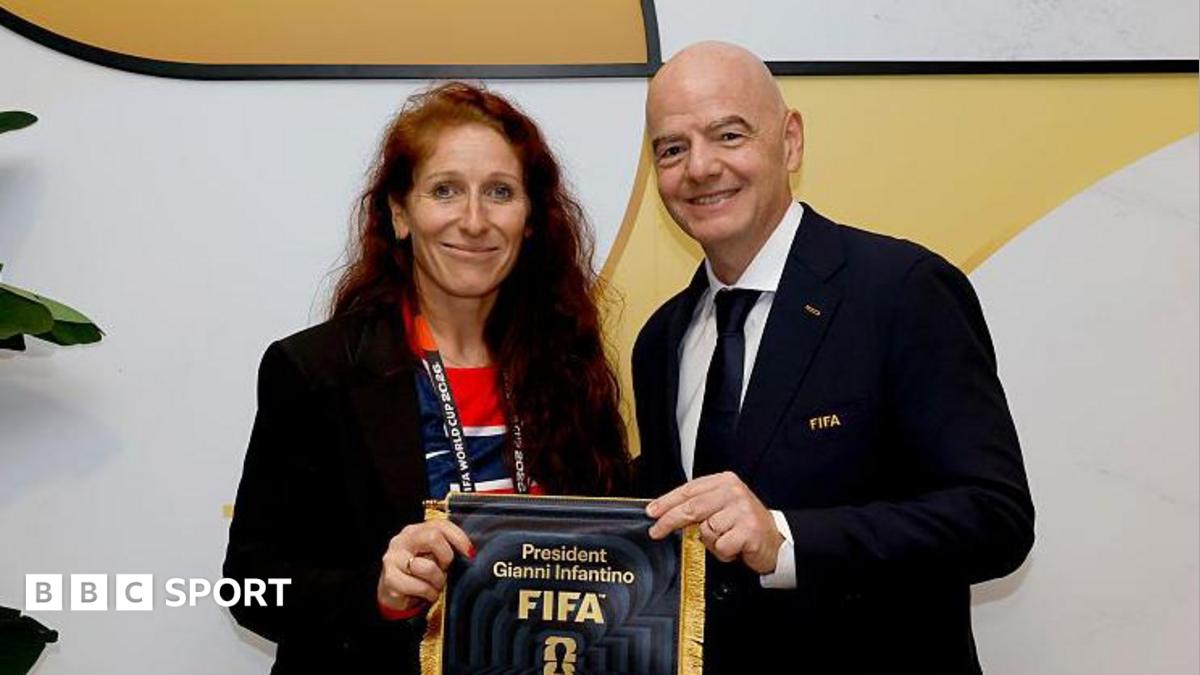
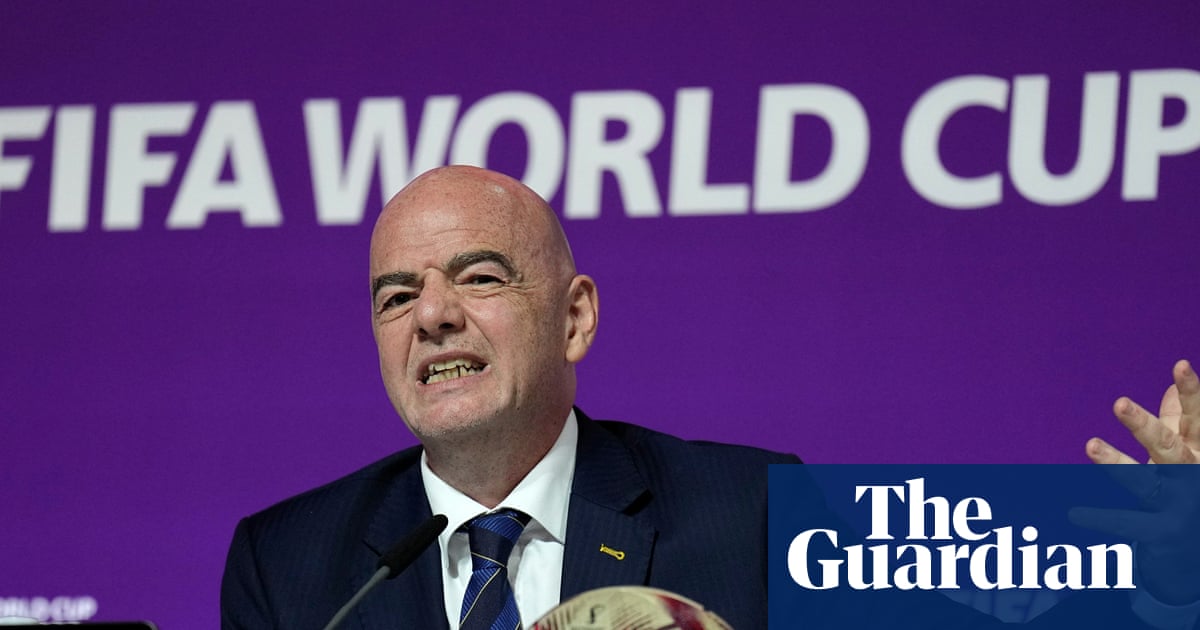
Gianni Infantino has spent a decade treating FIFA member associations like a docile electorate that can be kept in line with expanding World Cups and bloated development stipends. But the explosive accusation leveled by Jordan Football Association president Prince Ali bin Al Hussein on August 4, 2026, marks a clear inflection point in Zurich's political climate.
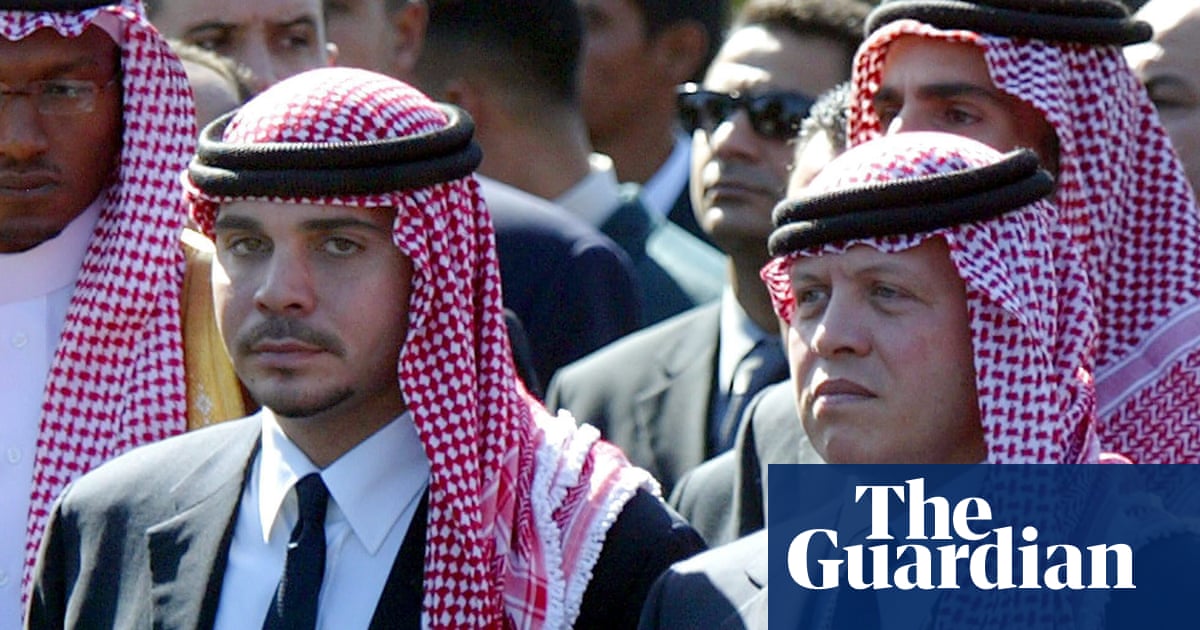
Prince Ali publicly accused Infantino's administration of using absolute "blackmail" by threatening to cut off essential financial assistance unless federations backed Infantino's re-election campaign. When a sitting FA president goes on record with accusations of explicit financial coercion, the era of quiet compliance is officially over.
This isn't an isolated complaint from a fringe dissident. It coincides with FIFA Secretary General Mattias Grafström calling Infantino's proposed commercial selloff plan "sad and reproachable," revealing deep internal fracture lines within FIFA's executive ranks. Even Arsène Wenger's recent critiques of the expanded international tournament structure demonstrate that Infantino is losing control of his own messaging machinery.
The math of a FIFA mutiny
Infantino built his empire on a simple calculation: expand the World Cup to 48 teams, increase guaranteed payout checks to smaller FAs, and secure an unassailable voting block of 150-plus federations. But that leverage evaporates the moment member states realize the financial pipeline is conditional on absolute fealty.
Consider the structural numbers behind FIFA's financial distribution system. Under FIFA's Forward 3.0 program, member associations were promised up to $8 million each over a four-year cycle, representing over 70% of the operational budget for smaller national bodies. When Infantino threatens to lock those funds behind political loyalty tests, he turns vital development money into a political cudgel.
The resistance isn't limited to AFC delegates like Prince Ali. UEFA federations have quietly seethed over calendar congestion, while key South American bodies are resisting Infantino's commercial restructuring. Once two major confederations align with dissatisfied voting blocs across Africa and Asia, the math that made Infantino bulletproof completely falls apart.
The commercial selloff breaking point
The catalyst for this active revolt is Infantino's desperate bid to push through a centralized commercial selloff plan for international tournaments. Designed to plug revenue shortfalls from bloated new tournament formats, the plan would sell off future broadcasting and sponsorship rights to private equity consortia.
Grafström's public break from the president over this issue is catastrophic for Zurich's executive suite. When your own chief administrator terms your flagship financial proposal "sad and reproachable," you aren't leading a consensus—you are running a rogue executive office. The plan attempts to monetize 20 years of future international football assets for a short-term cash injection, sacrificing long-term member equity.
Furthermore, Arsène Wenger's tactical and structural pushback highlights how alienated the footballing side of the organization has become. Infantino wanted to present a united front of commercial growth and elite sporting innovation. Instead, he has managed to anger both the accountants and the technicians in one fell swoop.
The prediction: A split vote and legal injunctions before 2027
Make no mistake: Infantino will not walk away quietly, but his dream of an unchallenged, unanimous coronation for his next term is dead on arrival. The opposition will no longer sit back and take financial threats behind closed doors.
We are heading straight toward a historic political clash ahead of the next FIFA Congress. Prince Ali's public whistleblowing provides the legal blueprint for aggrieved FAs to file formal complaints with the CAS (Court of Arbitration for Sport) and ethics committees regarding political coercion and misuse of development funding.
Infantino will attempt to paper over the cracks with emergency funding promises, but the trust is broken. Expect a formal opposition candidate to emerge from a coalition between European and Asian federations within the next six months, handing Infantino his first contested, high-risk election cycle since taking office in 2016.