The global obsession kicks off in 48 hours
Here we go again. Every four years, the planet collectively loses its damn mind for an entire month, and honestly, we wouldn't have it any other way. With the FIFA World Cup 2026 officially launching in two days, my social media feed is already devolving into a cesspool of bad takes and overly optimistic support brackets.
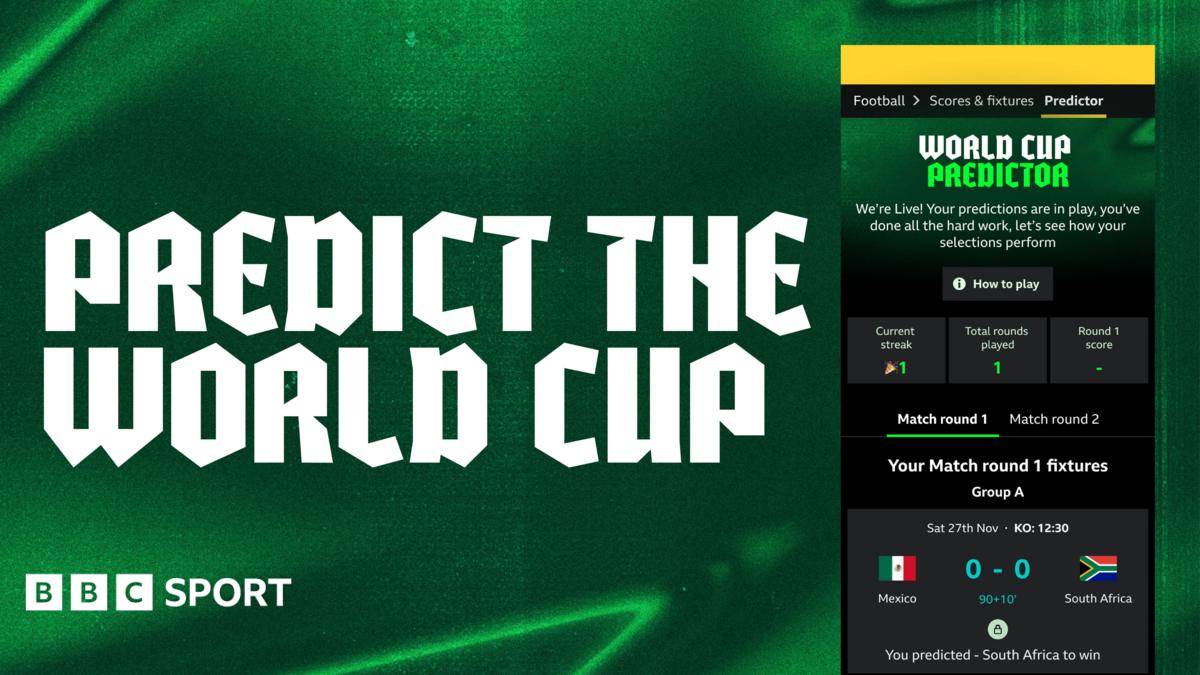
Predicting tournament outcomes is a mug's game. It’s like throwing darts at a map while riding a rollercoaster, yet we still pretend that our “expert” knowledge gives us an edge over the office intern who picked Brazil because they liked the color of the jerseys. Now the BBC has dropped their own predictor game, and I know exactly what you’re going to do. You’re going to spend three hours agonizing over which group runner-up faces the winner of Group F, only for your bracket to be dismantled by a 94th-minute VAR intervention on matchday one.
The science of being wrong
There is a specific joy in being completely disconnected from reality during a World Cup. We study the tactical setups, the press conferences, and the underlying defensive metrics, but football has a habit of spitting in the face of logic. Remember back when experts thought Spain was going to cruise through 2014? Yeah, how did that turn out? The chaotic beauty of the knockout stage is that logic goes to die.
That’s what makes the surge in predictor games so amusing. It turns us all into armchair managers who think we’ve cracked the code because we watched six minutes of a highlight reel from a qualifier in South America. If you want to dive into the official predictor game, be my guest. Just don’t come crying to me when your golden boot winner pulls a hamstring in the opening kickoff.
The dark side of tournament hype
We need to address the elephant in the room regarding the production of these events. When the tournament starts on June 11, we are going to see a level of corporate polish that strips away the grit. Every stadium will look identical, the fan zones will be sanitized of any actual personality, and the broadcasters will treat every group stage clash like it’s a ceremonial execution of history itself.
It feels like we are losing the rawness that made earlier tournaments special. Everything is so optimized now, from the kick-off times tailored for global market liquidity to the scripted pre-match buildup. If the quality of the matches doesn't match the sheer scale of the marketing, we are in for a long, boring month of tactical draws. I want blood, sweat, and absolute carnage on the pitch, not a polished documentary-style broadcast that misses the tension of the crowd.
Why we play along anyway
Despite the skepticism, I’ll be filling out my bracket on Wednesday night with the same delusional confidence as everyone else. We thrive on the vanity of being "proven right" by a group stage upset or a surprise run from a dark horse candidate. It’s the closest most of us get to feeling like a genius, even if the final result is dictated by a freak deflection off an ankle.
The thrill isn't the accuracy; it's the companionship of a collective meltdown. When your bracket busts, you look for someone else in the group chat whose tournament is also burning in flames. That camaraderie is the real value of these games. If you can walk away from this tournament without having lost your mind at a questionable refereeing decision or a missed sitter in the 89th minute, you weren't actually watching.
Go ahead and click the links, join the leagues, and pretend you know how the tactical shifts of European champions will fare against the physicality of North American qualifiers. Just remember that fortune favors the bold, and by bold, I mean anyone who blindly picks the underdog because they liked the mascot. I’ll see you all on the other side of the group stage, likely apologizing for the abysmal track record of my pre-tournament predictions.