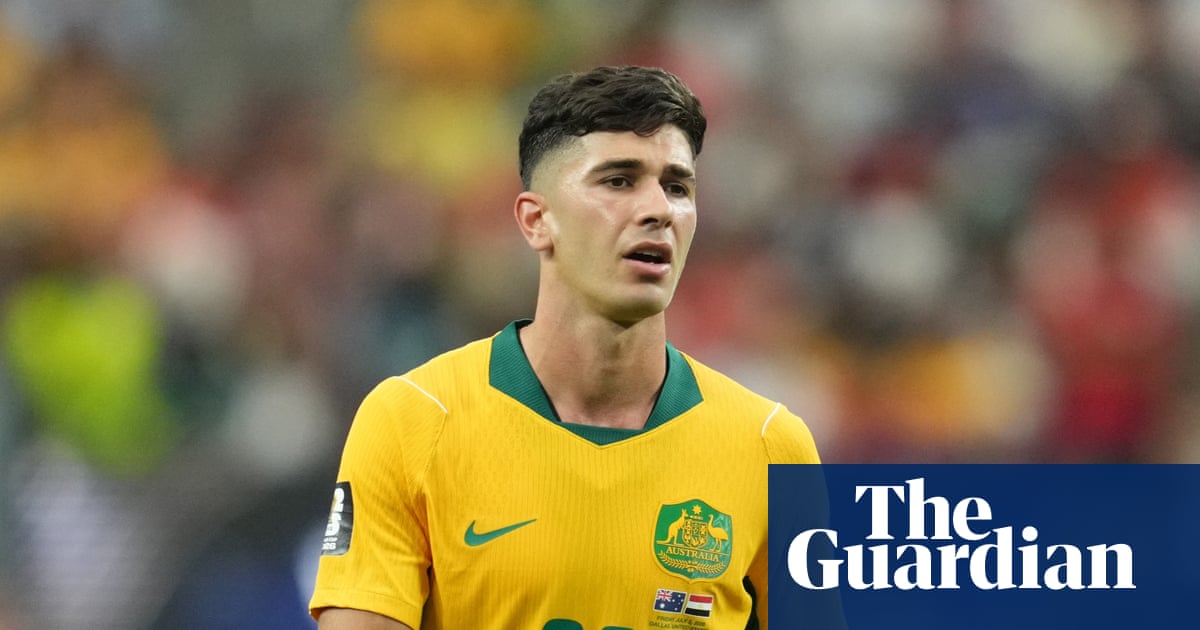
Tactical volatility in the Socceroos setup
Tony Popovic is experimenting with his starting XI in the most high-stakes environment possible. Heading into the second match of the 2026 World Cup against the USA, the Australia manager has dropped both goalscorers from the opening victory over Turkey. It is a bold move that privileges tactical responsiveness over the momentum of a winning chemistry.
The data suggests that Popovic’s rotating squad is designed to exploit specific pockets of space, but the absence of his primary finishers is a head-scratcher. When you sacrifice your most trusted attacking rhythm for a perceived structural advantage, the margin for error effectively vanishes.
The US perspective and Pulisic's impact
The United States arrived at this match with their own internal narrative to manage. The headline news entering the stadium was the absence of Christian Pulisic, who was confirmed missing from the lineup for the clash against Australia. Pulisic has been the focal point of the US transition game for years, and his exclusion dictates a different, perhaps more pragmatic, approach to pressing.
Without their primary creative outlet, the USA moved to prioritize verticality rather than intricate buildup play. The early returns on this strategy provided the desired result, as the United States secured an early lead through decisive movement in the final third. Australia struggled to adjust to the shifted point of attack, conceding the opening goal in the first half.
Analyzing the defensive gaps
Australia’s backline looked disjointed during the opening phases of the contest. The rotation in the midfield seemed to disrupt the standard cover-shadow patterns usually deployed under Popovic. If the center-backs do not maintain a high line with perfect vertical distance, the USA's pace in wide areas creates 2 vs 1 scenarios too easily.
It is statistically rare for a coach to change a winning formula so drastically early in a tournament. However, tournament football rewards managers who can adapt to the specific opponent. Whether this gamble pays off or leaves Australia chasing the ball for 90 minutes remains the central question of the group stage.
We are watching a team attempt to play outside their usual parameters. The Socceroos need to find a way to stabilize possession in the middle third or this match will slip away under the weight of defensive miscalculations. The early metrics show a 68% pass completion rate for Australia under pressure, a figure that is significantly lower than their performance against Turkey earlier in the week.
Looking ahead to club commitments
While the international stage commands full attention, the club calendar continues to churn. Arsenal have already set their sights on the 2026-27 domestic campaign, recently revealing their opening fixture against Coventry. The cycle between international duties and club football remains unrelenting.
For players involved in this tournament, the physical load is massive. We see it in the tracking data, where distance covered at high intensity consistently drops after the 75th minute. Squad depth, the variable Popovic is testing today, will define who survives the knockout rounds and who collapses from fatigue. If these rotation players do not deliver, the manager's tactical masterclass will be remembered as a simple coaching error.
Read Next