The counterfeit crackdown that nobody asked for
Police just announced they yanked £18m worth of fake football kits off the streets during the World Cup. That is a massive haul of synthetic polyester masquerading as official gear, but look at the reaction online. The consensus isn't gratitude for the public safety intervention—it is mostly amusement at the scale of the hustle.
The authorities are trying to frame this as a fire hazard issue. Apparently, these cheap knockoffs don't follow proper safety protocols, and the Fire Service is genuinely worried about people wearing these things near an open flame. If you are sitting that close to a grill while wearing a fake shirt, you probably have bigger problems.
The community verdict: Real vs fake culture
The enthusiasts are the ones who actually pay full price for the authentic stadium shirts. They view the bootleg market as a stain on the club's revenue. One user on a popular football forum noted that if everyone shops at the local market for a twenty-pound jersey, the club ends up with less cash for transfer fees. It is a noble argument, assuming the money actually helps land a world-class midfielder rather than just padding the owners' dividends.
Then you have the skeptics, who find the retail price of professional athletic wear completely disconnected from reality. A legitimate jersey regularly retails for over a hundred pounds now. When the cost of a single shirt is a significant portion of a household weekly budget, is it any surprise that people are hitting up the street vendors?
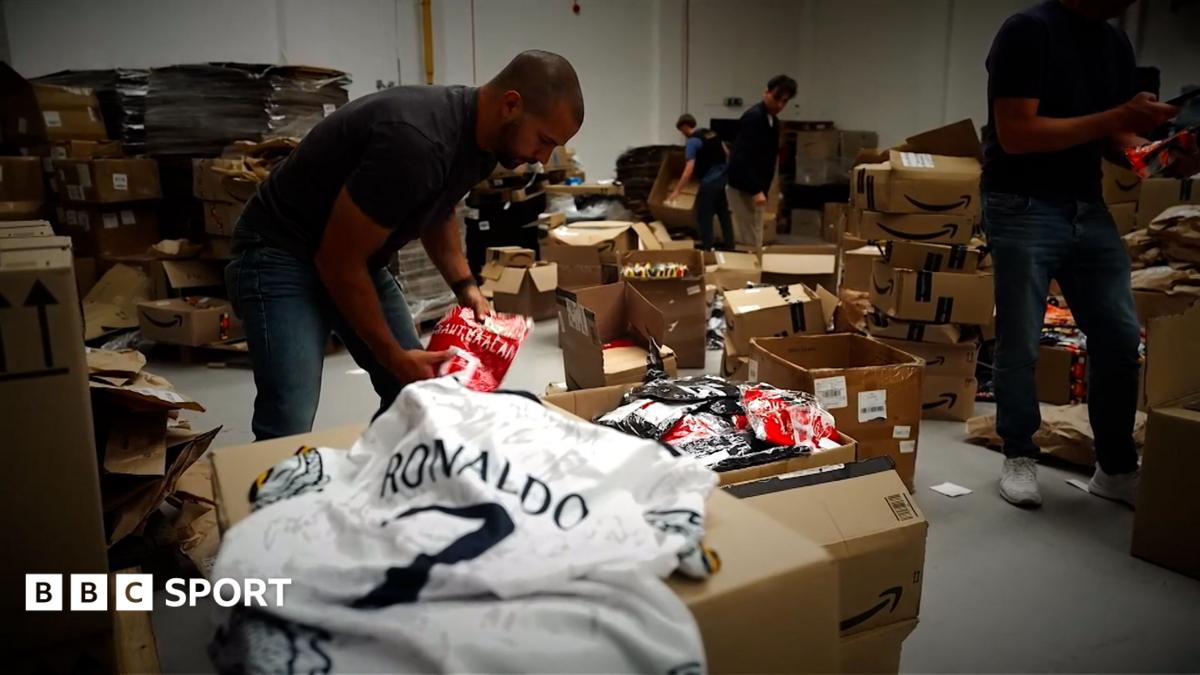
Fake kits worth £18m were seized in the UK during the course of the World Cup because of safety concerns.
The contrarians are having the best time with this news. One Reddit user pointed out that most of these replica kits come from the same factories as the official versions anyway. They are arguing that the only difference between the £18m bust and the shirt sold in the club shop is the licensing fee and a better-stitched badge.
My take: The industry's own pricing trap
Here is where I land on this mess. The police claim a massive victory for safety, but this really feels like corporate protectionism masquerading as a public service. If the official brands want to kill the bootleg market, they should stop charging £110 for a glorified sports vest. Fans are not buying these fakes because they love supporting unregulated manufacturing; they are doing it because they want to wear their team's colors without paying a week's grocery budget.
We have seen this cycle before, much like when Anthropic dropped 1.5 billion just to make their legal problems disappear. Companies often prefer heavy-handed enforcement over actually fixing their value proposition. The police seizing this gear is just a band-aid on a gaping wound caused by aggressive price hikes.
The irony is that during the tournament, thousands of fans walked past these busts wearing shirts that were arguably just as flammable as the ones taken off the shelves. It is all optics. Until the retail price touches down on planet Earth, the knockoff trade will exist. You cannot arrest your way out of a demand for cheaper merchandise.
The real issue is that the club stores have become inaccessible for average fans. I remember when a kit cost a fraction of the current price. Now, if you want the 'authentic' version with the players' names and patches, you are looking at a bill that would make an official distributor weep with joy. The £18m value attributed to these seized goods is probably just the retail price of the official versions, which is a hilarious way to inflate the "loss" to the industry.
In the end, everyone is going to keep wearing what they can afford. The authorities will score their PR points for this raid, the clubs will continue to push their absurd pricing, and the fans will keep searching for the best deals. It is a rigged game where the only people losing are the ones who actually think a shirt is worth a day of honest work.