The Architectures of Ambition
1966: The Day Brazil Lost Its Way
On July 19, 1966, the world witnessed the fragility of an empire. At Goodison Park in Liverpool, Brazil, the defending champions of the world, faced Hungary in a group stage match that effectively ended their reign. Pele, hampered by a brutal tackle from Bulgarian defender Dobromir Zhechev days earlier, was visibly hobbled and unable to influence the flow of play.
Hungary controlled the tempo with Florian Albert acting as the fulcrum of their attack. They dismantled the Brazilians 3-1, exposing a defense that looked aged and tactically rigid compared to the fluidity shown by the Magyars. This defeat was more than a singular result; it served as a dark prelude to the chaotic structural failures that would plague the Brazilian federation for years to follow.
1994: The Quiet Aftermath of the Rose Bowl
Five days after the 1994 World Cup final in Pasadena, the gravity of the tournament was still hovering over Southern California like smog. On July 19, the post-mortem of the final was dominated not by tactical brilliance, but by the physical exhaustion the sport had finally visited upon its protagonists. The heat in that venue had become a secondary player, draining the ambition out of two teams afraid to blink.
Roberto Baggio, the man whose penalty flight sailed over the crossbar, remained the focal point of a global conversation about the cruelty of the knockout stage. It remains a grim reality that no sport punishes a singular, momentary lapse in technique with the same permanent scarring as this one. The public discourse had moved from admiration of the game to pity for the fallen, a transition that often defines the closing chapters of international tournaments.
Tactical Shifts and Market Realities
2003: Pep Guardiola’s Departure to Brescia
The summer of 2003 saw Pep Guardiola leave the Serie A landscape for a second stint with Brescia. Having spent years as the heartbeat of Johan Cruyff’s Barcelona, his move to a provincial Italian side showed the limitations of aging midfield maestros. While the move lacked the glitz of the transfers dominating the headlines of that transfer window, it signaled the end of an era for the classic pivot role he perfected.
This period of his playing career was defined by frequent injury concerns and a struggle to keep pace with the evolving physicality of the European game. It serves as a necessary critique that even the most gifted minds cannot evade the eventual decline of their physical instrument. Brescia provided a safe haven, but the magic of the Camp Nou was long gone.
2020: The FA Cup Semifinal Collision
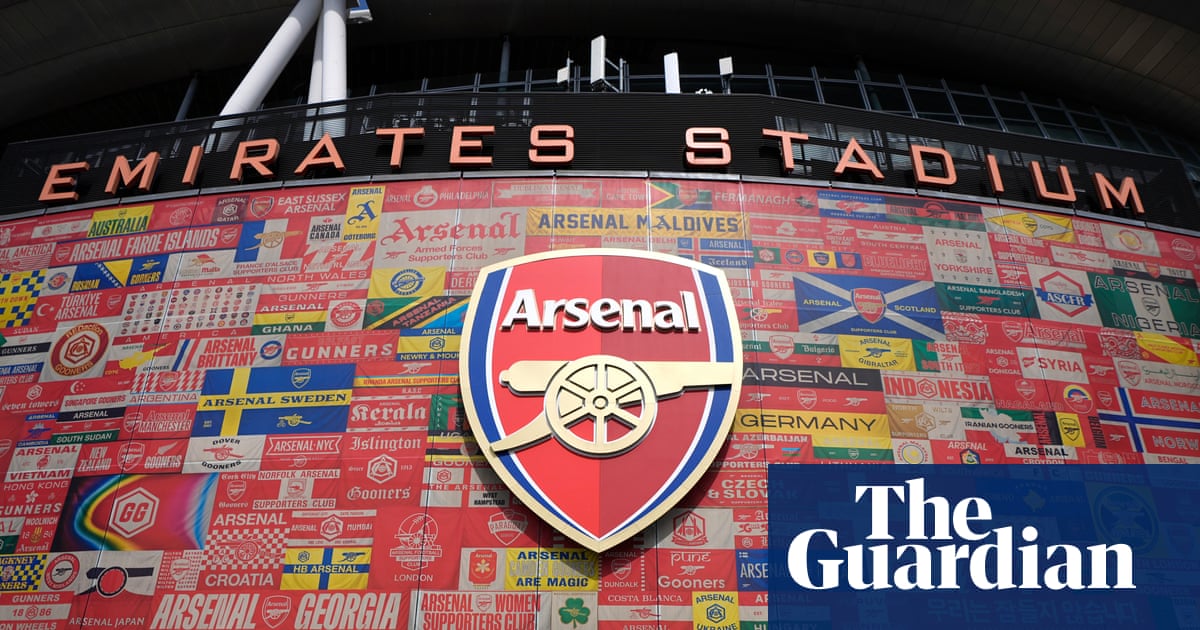
On July 19, 2020, Arsenal and Manchester City met at Wembley for an FA Cup semifinal played in front of empty rows of seats. The eerie silence of the stadium allowed every shout from the technical area to echo off the concrete. Mikel Arteta, only months into his tenure as Arsenal manager, faced his former mentor, Pep Guardiola, in a tactical chess match that required immediate adaptation.
Pierre-Emerick Aubameyang proved the difference, scoring twice in a 2-0 victory that prioritized defensive discipline over possession. Critics often point to this period as the moment where Arteta proved he could adapt his philosophy to win on the biggest stage. However, the lack of atmosphere highlighted the sanitized, sterile nature of playing through a pandemic season, a stain on the record books for those who view sport as an inherently communal endeavor.
2007: The Rise and Fall of MLS Ambition
July 19, 2007, marked the formal introduction of David Beckham to the Los Angeles Galaxy, or at least the start of his active participation in the league. The marketing blitz surrounding his move from Real Madrid brought a level of scrutiny that pushed Major League Soccer into a spotlight many of its clubs were not ready to inhabit. The disparity between his salary and the league minimums of the era created deep resentment within squads across the United States.
It was a move that prioritized commercial reach over tactical consistency, and the early results were largely underwhelming. The side struggled to find a cohesive style, often looking like a collection of individuals rather than a unified team. Though it eventually changed the financial power dynamics of the league, the early months were a cautionary tale about the limitations of importing global superstars into a developing environment.
1974: The Rise of the European Cup Dominance
On July 19, 1974, the ripples of the World Cup in West Germany were still being felt across club football offices. The tournament had shifted the emphasis toward high-pressing systems that would dominate the European Cup in the half-decade to follow. Bayern Munich, the core of the victorious West German squad, were preparing to leverage their national success into a period of undisputed continental power.
The shift was monumental, moving away from the defensive catenaccio of the mid-sixties toward the proactive, energetic football that Franz Beckenbauer personified. It was not just a change in strategy but a change in psychology. Teams began to view winning as their divine right rather than a test of patience, a shift that permanently altered the expectations for clubs like Bayern and Ajax.