The Defining World Cup Sequences
World Cups live or die by the moments that burn into the collective memory of the sport. We aren't just looking at goals; we are ranking the sequence, the stakes, and the lasting impact on the tournament trajectory.
The Rankings
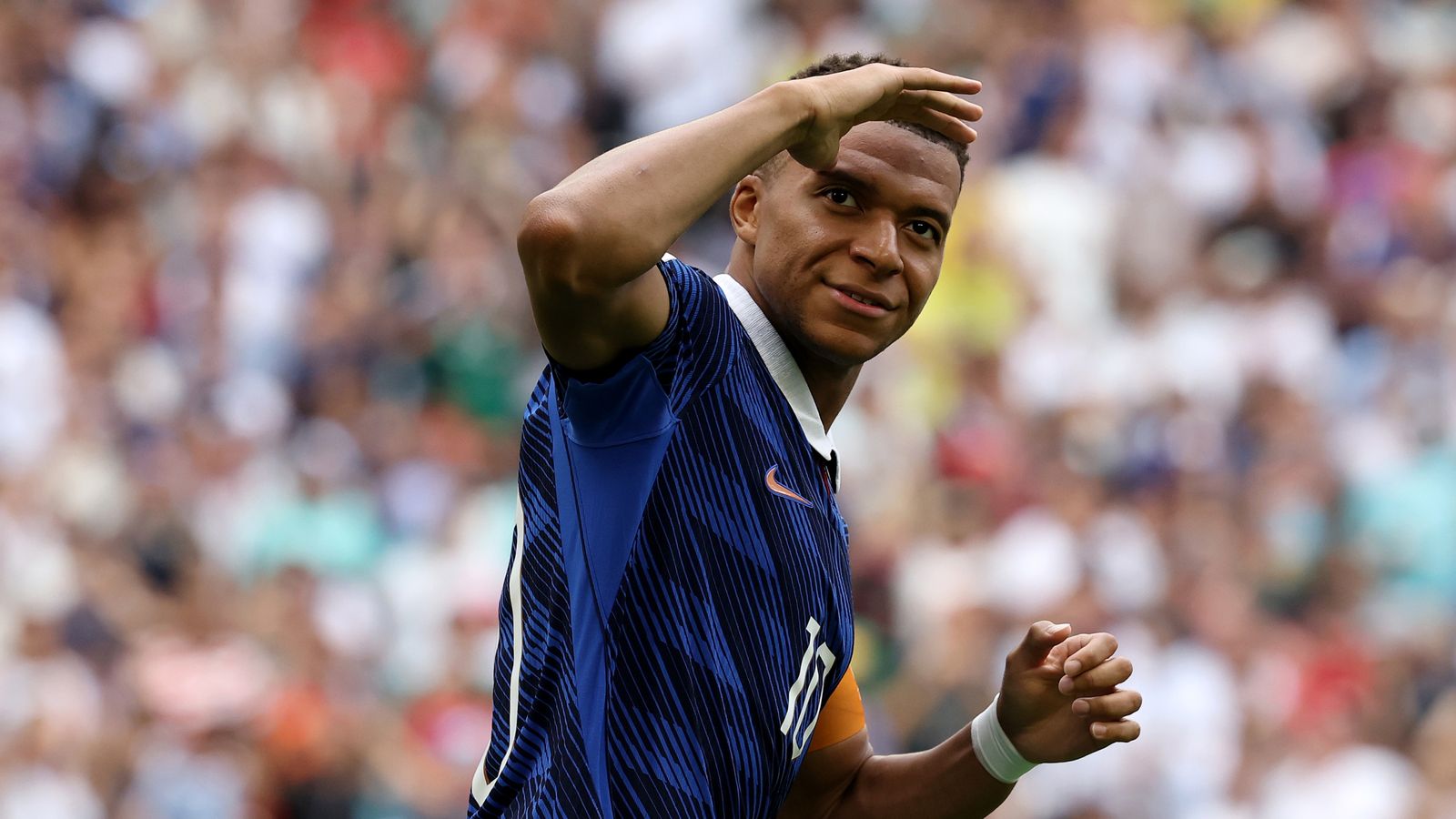
1. Kylian Mbappe’s second-half surge against Spain. With the game deadlocked at 0-0, Mbappe turned a routine transition into a 60-yard sprint that dismantled the Spanish pivot of Rodri and Zubimendi. This sprint solidified his current status in the Golden Boot race. He ended the game with a brace that officially broke the stalemate against Messi.
2. Lionel Messi’s injury-time free kick against the Netherlands. Positioned 25 yards out in the 94th minute, Messi curled the ball into the top right corner. The technique remained flawless despite the obvious fatigue of his legs in the late stage of the tournament. Argentina survival depended on this singular swing of the boot.
3. Phil Foden’s tactical withdrawal in the quarter-final. Gareth Southgate pulling his primary playmaker after 60 minutes remains the most controversial managerial decision of the summer. Foden looked visibly frustrated as he walked past the bench toward the tunnel. The move signaled a defensive shift that cost England all offensive momentum.
4. Vinicius Junior’s goal celebration against Portugal. After scoring a clinical chip over Diogo Costa, the Brazilian winger danced directly in front of the Portuguese bench. It served as the peak of a high-tensions Round of 16 encounter. The yellow card that followed felt like a badge of honor for a player trying to rattle his opponents.
5. Jamal Musiala’s creative peak. During the Germany-USA group stage match, Musiala ghosted past three defenders in tight space to slot in the winner. Few players possess that specific quality of close control in congested penalty boxes. It demonstrated why he is currently the most exciting prospect in international football.
6. Virgil van Dijk’s penalty save on simulation. It wasn't about a save; it was the captain pointing at the referee after the VAR review concluded there was no contact. He essentially coached the officiating crew into reversing the call. This form of authority is rare and frankly annoying to see from an active defender.
7. The United States’ high press against Germany. In a moment that shocked the group, the USMNT line pinched up within their own half for the entire opening 15 minutes. It led to a goal, but also left them vulnerable to the counter. It was a bizarre tactical gamble that highlighted their lack of defensive discipline.
8. Kevin De Bruyne’s assist against Italy. The pass split three defenders to set up a tap-in for Lukaku. It was pure vision executed through a narrow passing lane. The ball arrived with perfect pace, leaving the Italian defense completely static.
9. Morocco’s defensive wall against France. For 88 minutes, the North African side held off repeated volleys from Griezmann and Mbappe. Every clearance was met with a thunderous roar from the crowd. The structural discipline here defied the talent gap between the two squads.
10. Harry Kane’s missed penalty against the Netherlands. It was a complete disaster in the 89th minute. Kane sent the ball into the upper tier of the stadium instead of the net. This miss effectively signaled the collapse of the English offensive plans for that match.
The Big Picture
This tournament has been defined by extreme tactical volatility rather than consistent dominance. Managers are gambling on high-press structures that frequently backfire, leaving us with some of the most chaotic defensive displays seen in recent history.
Honorable Mentions
Antoine Griezmann’s corner-kick assist tally remains underrated, and Gianluigi Donnarumma’s double-save against Croatia deserves a nod. Both represent the quiet competency often overshadowed by the high-profile attacking failures of teams like England.