The Shadow of Giants and Forgotten Departures
1930: Uruguay Opens the Gateway
On July 13, 1930, the history of football shifted on its axis as the first-ever FIFA World Cup kicked off in Montevideo. Lucien Laurent fired the opening goal for France in the 19th minute against Mexico, securing his place in record books while the world remained largely indifferent to the nascent tournament. Most European nations had barely bothered to send teams, viewing the three-week ocean journey to South America as a fool’s errand during the Great Depression.
The tournament served as a grand experiment rather than a polished spectacle. It proved that international football could captivate an entire continent, even if the logistics were chaotic.
1974: The Dutch Precision Machine
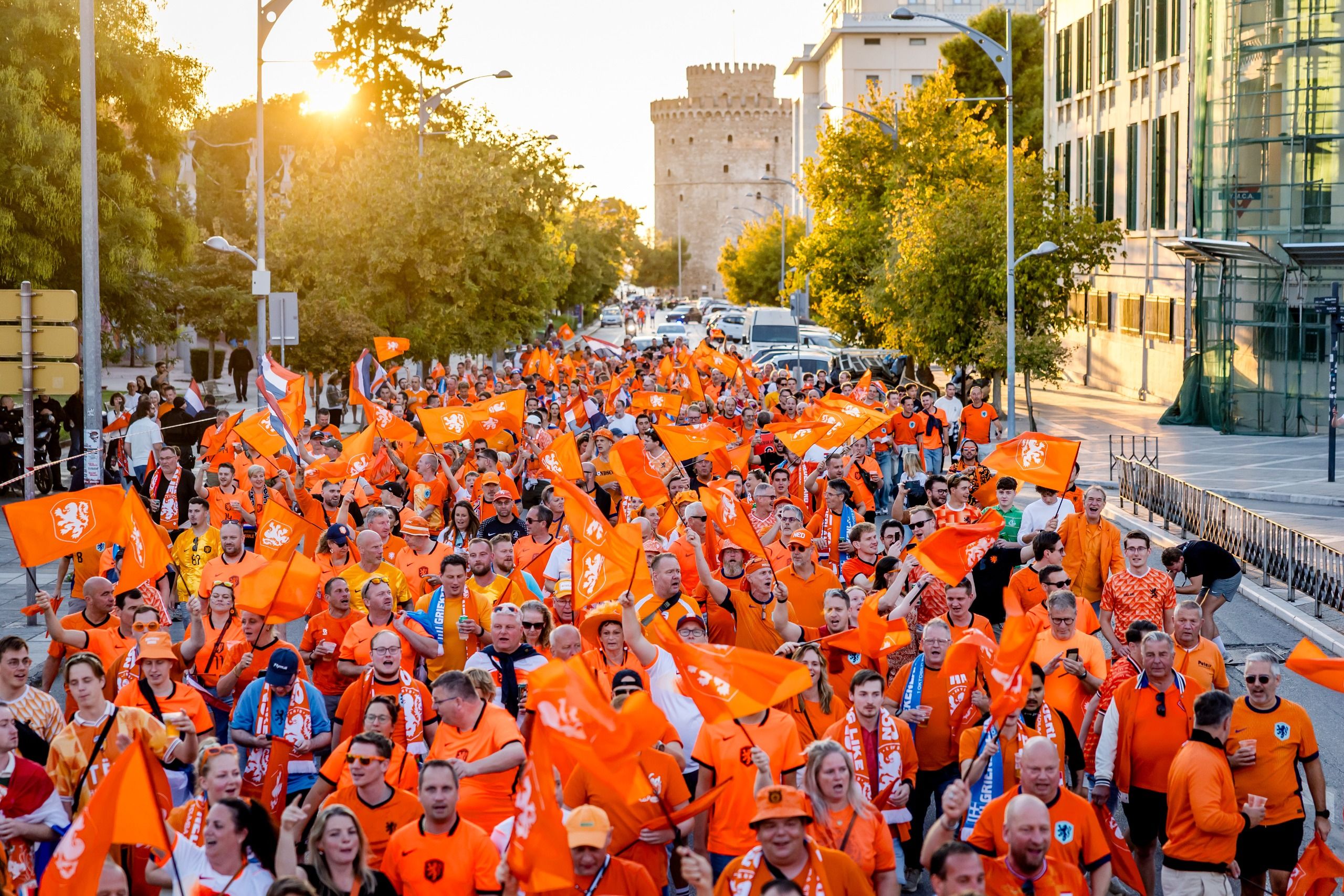
By July 13, 1974, the Total Football revolution led by Rinus Michels and Johan Cruyff had reached its zenith in West Germany. The Netherlands dismantled Bulgaria 4-1 during the second group stage, showcasing a fluidity that made defenders look like statues in a museum. This team operated with a telepathic understanding, swapping positions with a frequency that rendered rigid tactical systems obsolete.
Yet, the seeds of their final heartbreak were sown that afternoon. While they dominated the pitch, the arrogance of their brilliance often distracted them from the necessity of closing out games against less talented but more disciplined opponents.
1994: The Day the Press Turned on Italy
The 1994 World Cup was a grueling slog through the American heat, and by July 13, the tension surrounding Arrigo Sacchi’s Italy was suffocating. Having scraped into the semifinals, the squad faced relentless criticism from the Italian press, who viewed their defensive reliance on Franco Baresi and Paolo Maldini as a betrayal of attacking integrity. It was a bleak era of pragmatism that alienated those who craved the flair of previous generations.
Sacchi remained unmoved by the vitriol, even as his squad limped toward the final. This obsession with tactical rigidity often meant the Italian game looked like a sterile chess match rather than a celebration of the sport.
2014: The Maracanã Silence
The date July 13 will forever be tied to the 2014 World Cup Final at the Maracanã, where Germany cemented its status as the world’s premier organization. Mario Götze’s volley in the 113th minute pierced the Argentine defense and silenced the massive influx of traveling fans from across the border. It was a moment of technical perfection, a cross from André Schürrle met with a chest trap and a clinical left-footed finish.
For Lionel Messi, the defeat was deeply scarring, leaving him to look at the golden trophy with a hollow stare during the awards ceremony. Germany’s victory was an indictment of the dependency Argentina placed on individual brilliance over collective construction.
2021: The Aftermath of Wembley
Following the chaos of the Euro 2020 final, July 13, 2021, was marked by the ugly reality of fan conduct at Wembley Stadium. The fallout from thousands of ticketless supporters storming the gates forced the FA to address severe failures in security protocols. It was a dark day for the administration, revealing how thin the veneer of orderly governance truly is when pressure mounts.
The Football Association faced intense scrutiny regarding their inability to prevent the dangerous overcrowding. This day serves as a reminder that the administrative side of the game often lags behind the grandeur of the matches themselves.
2024: A Quiet Shift in the Market
On July 13, 2024, the transfer market was dominated by the finalizing of Joao Palhinha’s move to Bayern Munich, a deal that confirmed the Bundesliga's continued reliance on proven, workhorse midfielders. The transfer fee, reported at roughly 51 million euros, highlighted the desperate hunt for defensive stability that has plagued European giants for seasons. It was a move aimed at correcting the tactical imbalances exposed during the quiet, stagnant phases of the previous domestic campaign.
Some critics argued the fee represented an inflated market, as the player lacked the creative ceiling fans associate with such a significant investment. However, in modern recruitment, solidity is often prioritized over spectacle, leading to a dulling of the game's edge.