The end of an era is officially in the planning stage
Manchester United finally committed to the future this week by securing the land necessary for a replacement to Old Trafford. Buying 25 acres adjacent to the current ground signals that the Glazer project is finally shifting from sentimentality to cold, hard logic. We have spent decades watching a crumbling concrete relic, ignoring the leaking roof and the outdated concourses while our rivals built modern, revenue-generating fortresses.
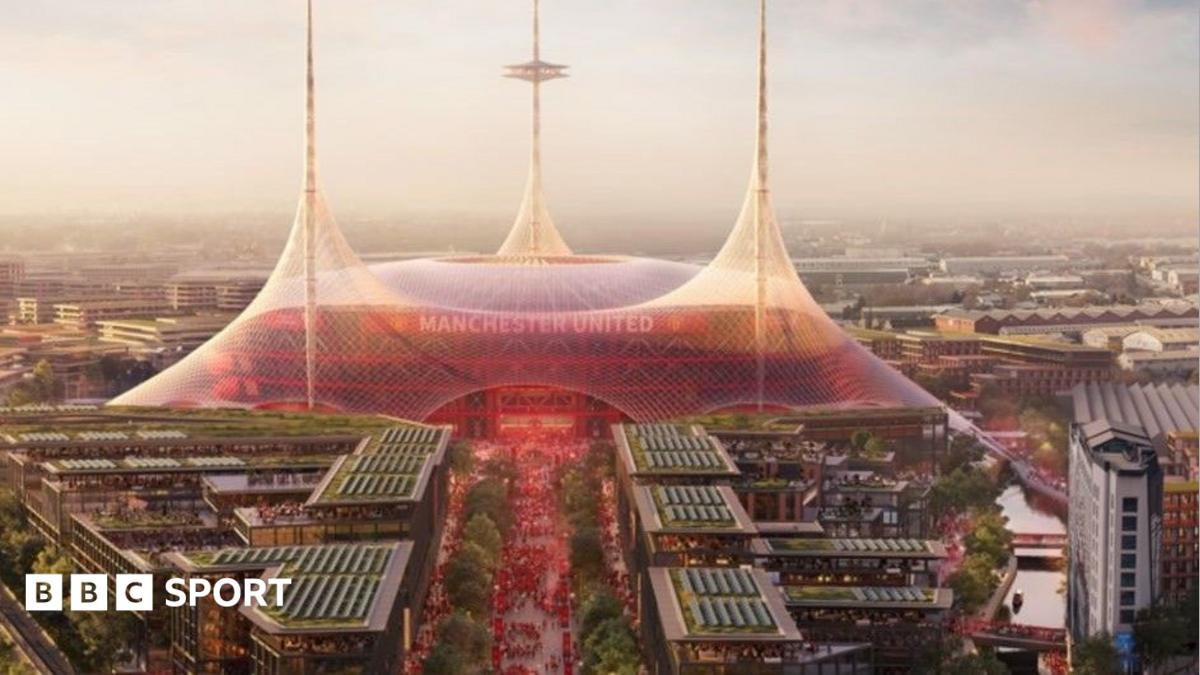
This move is about more than just square footage. Ownership is aiming for a 100,000-seater venue that would become the largest in English club football. It is the only way to catch up to the sheer financial output of modern super-stadiums that prioritize high-margin hospitality over traditional match-going nostalgia. The math here is simple and unyielding.
The structural audit we ignored for too long
Anyone who has sat in the Stretford End during a heavy rainfall knows exactly why this investment is overdue. The structural integrity of the South Stand has been a running joke for match-goers for years. It is frankly irresponsible that the club allowed the facilities to decline to this level while inflating ticket prices for a product that was failing to address its own basic maintenance needs.
While this news feels like a step toward progress, we have to address the skepticism regarding the timeline. The club has managed to navigate bureaucracy to purchase the land, but the actual engineering hurdles for a project of this magnitude in Manchester are immense. We are looking at a multi-year construction cycle that will likely outpace the current squad renewal project. Expecting a smooth transition while the team struggles on the pitch might be asking too much of a fanbase already exhausted by the post-Fergie era.
The economic reality of the 100k dream
The 100,000-seat capacity target positions Manchester United to dwarf virtually every other club in the domestic market. However, filling a stadium of that size requires constant on-pitch success to justify the corporate buy-in. If the sporting side continues to hover in mid-table obscurity, those premium seats will sit empty, regardless of the brand name.
As the BBC recently detailed, the land acquisition is the first genuine movement toward realizing this ambition. It changes the conversation from vague architectural renders to a tangible footprint. We aren't dealing in rumors anymore; we are dealing with land deeds and site maps. The intent is clear.
Final thoughts on the stadium gamble
This development will essentially define the next decade of the club's identity. I predict that the club will break ground within 36 months, but the atmosphere during the construction phase will be nothing short of hostile. Fans are not going to tolerate empty promises if the investment doesn't materialize into immediate results on the grass. You cannot build a new home while the internal house is still burning.