The end of an era at M16
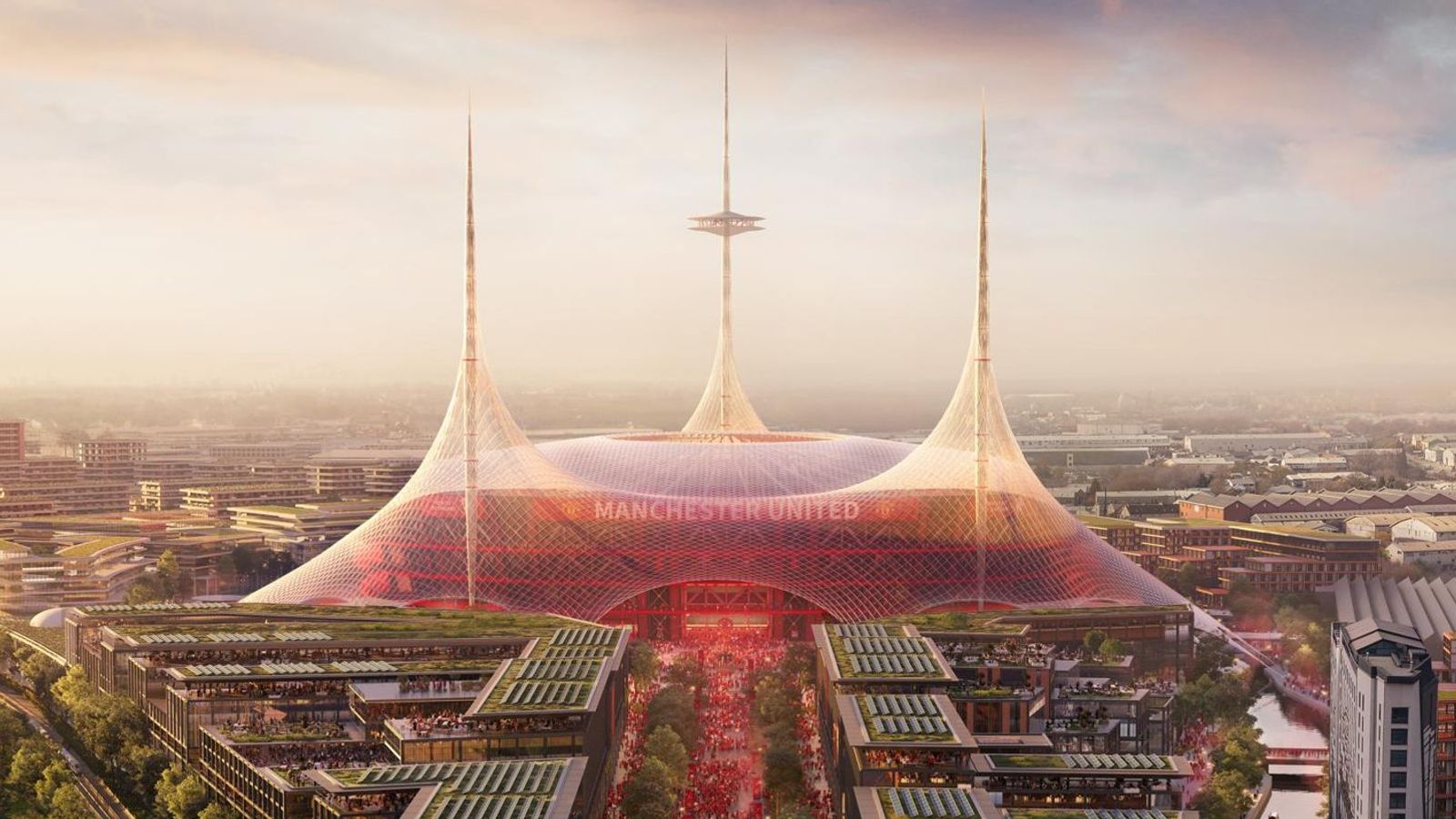
Manchester United’s recent move to secure land for a 100,000-seater stadium is a seismic shift in English football. The proposed site adjacent to the current Old Trafford complex signals the death knell for the most iconic arena in the Premier League. While the Glazer ownership has long faced criticism for the decaying state of the roof and general structural neglect, abandoning the site entirely feels like a betrayal of the club's history.
As Sky Sports recently reported, the acquisition of this land is the first formal step in a project that aims to deliver a scale of infrastructure currently unseen in European club football. A capacity of 100,000 puts them in direct competition with the largest stadiums in the world by volume. However, size is rarely synonymous with atmosphere.
The technical and financial burden
Building a new venue carries an astronomical price tag. Modern construction costs for a facility of this magnitude will certainly balloon toward the £2 billion mark by the time contractors break ground. For a club struggling with FFP compliance and wage bill bloat, this is a massive gamble. The internal revenue generated from corporate hospitality will need to be unprecedented to justify the debt service.
Then there is the tactical consideration of the match-day experience. Old Trafford is a cauldron because of its history and the immediate proximity of the stands to the touchline. Move the fans too far back in pursuit of an NFL-style bowl design, and you lose the pressure, the claustrophobia that makes playing there difficult for visitors. If the new stadium lacks the steep rake of Westfalenstadion or the intimacy of Anfield, the home advantage could evaporate overnight.
Why the modernization plan is flawed
The decision to build new rather than renovate the existing structure is telling. The board views the current site as a compromised asset. They are prioritizing new revenue streams—dedicated fan zones, multi-purpose event spaces, and massive retail wings—over the preservation of a sporting landmark. This is a business strategy, not a football one.
From a purely logistical standpoint, the impact on local transit and match-day traffic at the new site will be a nightmare for supporters. The current infrastructure is already stretched to its limits during kickoff, and unless the council matches the club’s ambition with massive upgrades to the nearby transport lines, fan frustration will peak before a ball is even kicked. It is a bold, expensive plan that values spreadsheets over soul.
The verdict
I predict that this stadium project will face severe delays, likely pushing the completion date well past 2030, and the final budget will exceed its initial estimates by 40 percent. The club is prioritizing global brand expansion over the traditional match-going experience, and history suggests these moves rarely yield the trophies that loyalists crave. They are building a luxury skyscraper in a neighborhood that needed a renovation. It remains the biggest gamble of the post-Ferguson era, and frankly, I expect the on-pitch product to fluctuate wildly while the accountants take center stage.