
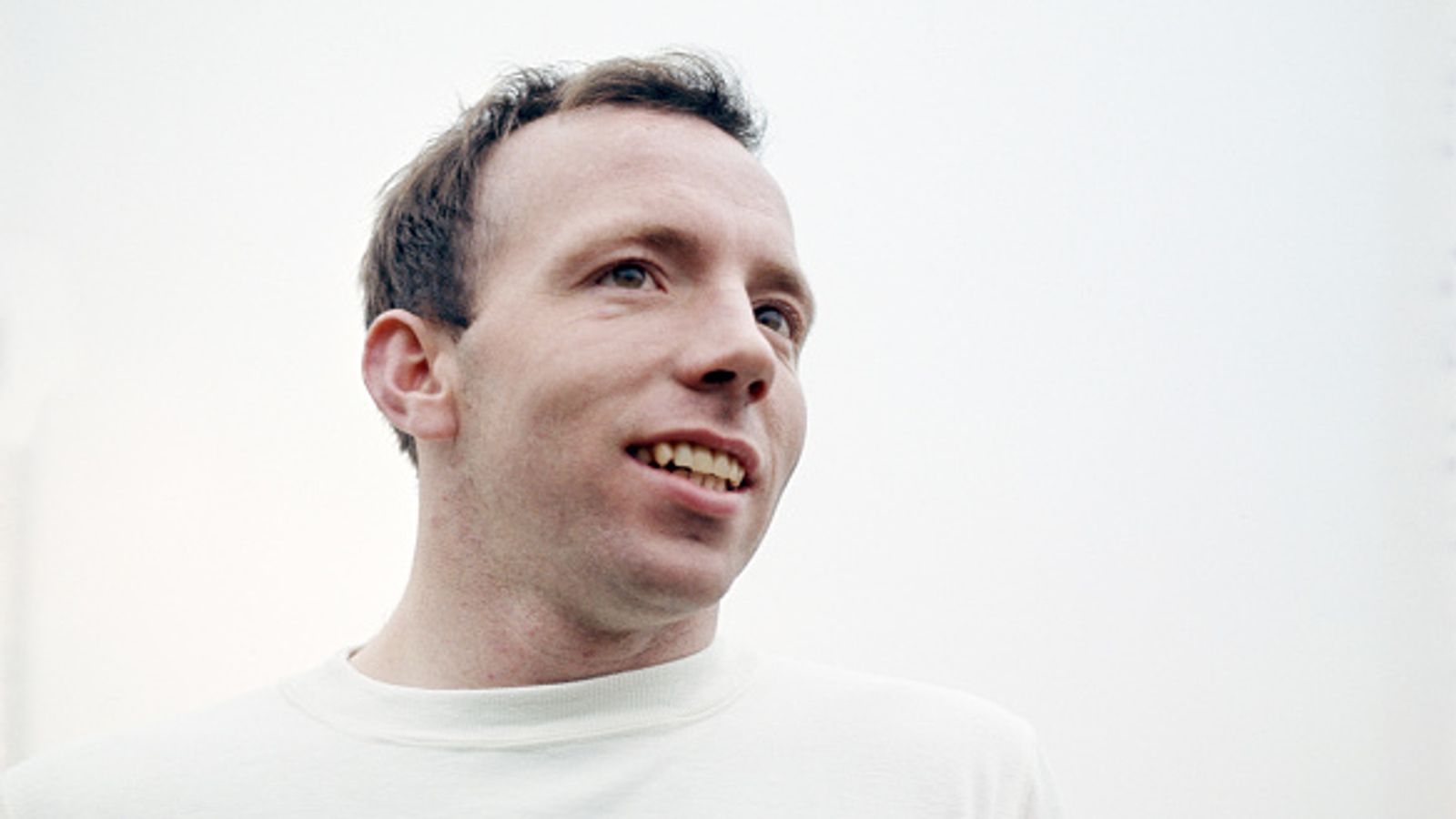
The cost of the corner flag
Today, July 15, 2026, the coroner delivered a ruling that feels like a delayed earthquake for the sport. Nobby Stiles, the man who provided the grit behind England’s 1966 victory, died with a brain condition directly linked to repeatedly heading the heavy, leather footballs of his era. It took six years after his passing for the official record to confirm what many in the medical community long suspected.
As The Guardian reported today, the failure to report this death to a coroner for years has only added a layer of bureaucratic negligence to an already tragic story. Stiles was a titan of Old Trafford and a World Cup winner, but he spent his final years battling chronic traumatic encephalopathy. This is no longer speculative noise from the sidelines; it is a clinical verdict.
The weight of history
We celebrate the iconic images of 1966: the color-drained film, the muddy pitches, and the relentless physicality. But the BBC inquest results remind us that the ball itself was a weapon. Those old-fashioned, waterlogged leather spheres acted like blunt instruments, and the players were the targets. Stiles, known for his defensive tenacity, put his head in places most would fear to tread.
The football establishment often hides behind the glory of the past to avoid the uncomfortable realities of the present. While current regulations limit heading in youth training, the damage sustained by the icons who paved the way is irreversible. We are looking at a trail of broken physical histories disguised as legendary careers.
A flawed legacy
This ruling is a failure of oversight. Stiles passed away in 2020, yet his medical reality was suppressed by a lack of proper reporting to the authorities. Why did this take half a decade to surface? Sky Sports has highlighted that his family was essentially left without professional closure while the governing bodies turned a blind eye to the obvious connection between his role as a midfielder and his cognitive decline.
The governing bodies will likely issue statements about the game being safer now. They will cite better ball technology and stricter concussion protocols. However, these sound like hollow PR maneuvers against the backdrop of a coroner’s definitive ruling on a death that occurred 6 years ago. The game consumes players, uses them for a decade, and leaves behind the wreckage without a backward glance.
The forecast for the modern game
I predict that this coroner’s ruling will force an immediate, uncomfortable increase in pressure on the Football Association to fund retrospective neurological care for the 1966 squad members who are still with us. It is the only moral path forward, though rarely the one chosen by bureaucrats. Watch for the FA to announce a new panel or study by the end of August to mitigate the fallout. It will be too little, too late, but it is coming.
Do not expect the authorities to proactively own this. They have had enough time to address the link between heading and brain trauma, yet they chose silence over transparency. The tragedy here is not just the loss of a legend; it is the fact that his death was treated as an inconvenient footnote rather than a catalyst for change.





