The Bloodbath in Monterrey
Morocco's dramatic Round of 32 victory over the Netherlands has left both squads physically battered, raising immediate alarm bells over the handling of head injuries at the 2026 World Cup. The match at Monterrey Stadium, which lasted nearly three hours and ended in a chaotic shootout, was a brutal display of physical attrition. For the Dutch, the tournament ends here; for Morocco, the progress to the Round of 16 comes at a heavy cost. The physical toll of the match was extreme, with ripped shirts and bloodied faces defining a wild game.
The most alarming incident occurred in the first half when Dutch defender Jan Paul van Hecke clashed heads during a corner kick challenge. The Brighton defender was left with a deep laceration on his forehead, blood pouring down his face as medical staff rushed to the pitch. Despite the visible trauma, Van Hecke was patched up on the sideline and allowed to return to action, playing through the remainder of the first half. The decision to allow him to continue playing with a fresh head wound has drawn sharp criticism from observers who question the effectiveness of the tournament's medical screening.
He was not the only player to finish the match covered in blood. In the final minutes of extra time, Morocco's Ismael Saibari suffered a nasty cut near his eye during a collision. With his shirt stained red, the PSV Eindhoven midfielder refused to leave the pitch. He remained on the field long enough to take the decisive fifth penalty, converting it to seal Morocco's passage to the next round.
The match itself was a rollercoaster, ending in a 1-1 draw after 120 minutes of grueling play, as Sky Sports detailed in their live coverage. Cody Gakpo put the Dutch ahead in the 72nd minute, only for Issa Diop to equalize in the 91st minute. Morocco then clinched the penalty shootout 3-2, capitalizing on Dutch misses from Justin Kluivert, Quinten Timber, and Crysencio Summerville.
FIFA's Concussion Protocols Under the Microscope Again
The decision to allow Jan Paul van Hecke to continue playing after a severe head collision has reignited the fierce debate surrounding FIFA's concussion protocols. In a tournament of this magnitude, player safety must be paramount, yet the execution of head injury assessments continues to draw criticism from medical experts. Critics argue that allowing a player with an active bleed to return to a high-intensity match presents serious risks, including secondary impact syndrome. The scene in Monterrey was reminiscent of past tournament failures where players were allowed to play on despite showing clear signs of head trauma.
During the 2018 World Cup, Morocco's Nordin Amrabat suffered a concussion against Iran and returned to play just five days later against Portugal, drawing heavy criticism. The Amrabat incident was supposed to be a watershed moment for FIFA, leading to calls for temporary concussion substitutes to allow for thorough medical examinations. Yet, eight years later, the pressure of tournament football still seems to override medical caution.
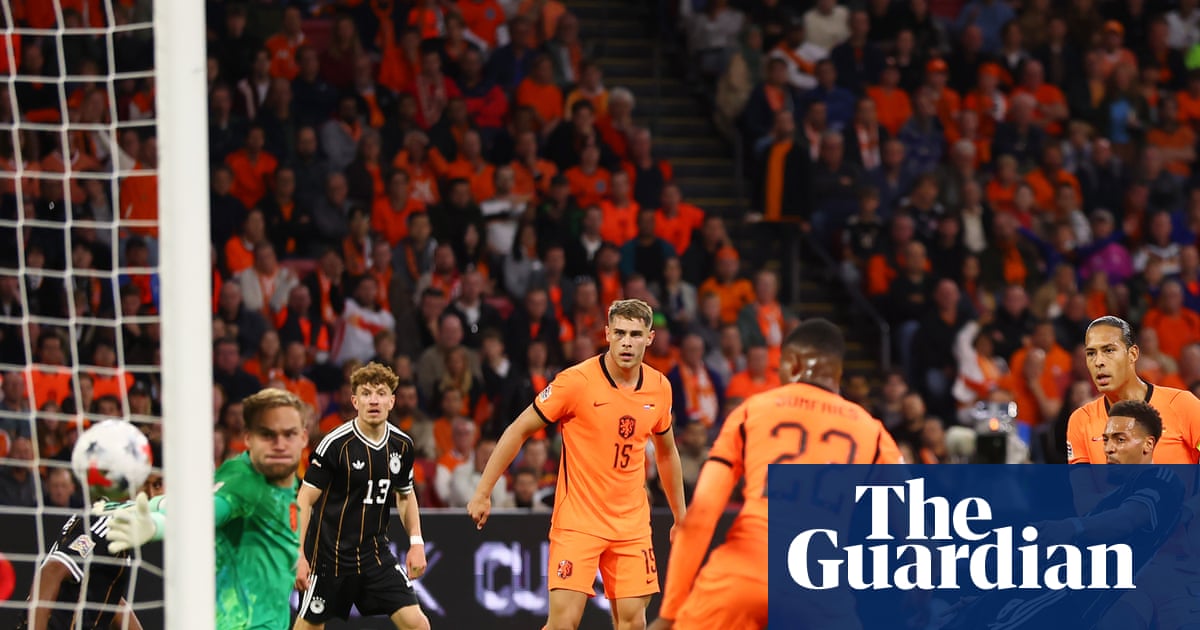
As The Guardian reported from Monterrey Stadium, the intense physical toll left players covered in blood. The sight of Van Hecke returning to the pitch with a bandaged forehead suggests that the lessons of the past have not been fully absorbed, and the Dutch medical staff will face tough questions over whether a rigorous neurological assessment was conducted before clearing the defender.
For club teams, these incidents are a nightmare. Brighton & Hove Albion will be watching the medical reports closely, anxious to know if their key defender has suffered any cognitive or neurological damage. The financial and sporting stakes are incredibly high for clubs who risk losing their assets to long-term injuries sustained on international duty. The tension between club and country is exacerbated when national teams prioritize short-term tournament survival over a player's long-term health. Broadcasters and sponsors, who pay billions to associate with the tournament, also face scrutiny when the product on the pitch resembles a gladiatorial war of attrition rather than a sporting contest.
Tactical Fallout and the Canada Challenge
Morocco's reward for their marathon victory is a Round of 16 clash with tournament co-hosts Canada in Houston. That game is scheduled for Saturday, July 4, 2026, leaving Morocco with just four days to recover from a grueling 120-minute battle. Head coach Walid Regragui faces a major fitness puzzle as he attempts to field a competitive starting lineup. Beyond Saibari's cut eye, defender Chadi Riad was substituted in the 75th minute showing signs of physical distress. The Crystal Palace defender has endured a grueling season, including a knee injury and a cruciate ligament tear that kept him out for a long spell.
While Regragui insisted Riad's withdrawal was precautionary, his history of joint issues suggests he will face a race against time to start in Houston. Riad's fitness is critical for Morocco, especially with other defensive assets like Nayef Aguerd already ruled out or carrying knocks. The medical staff will be working overtime to manage player recovery, utilizing ice baths, hyperbaric chambers, and targeted physiotherapy. The tactical implications are clear: a depleted Moroccan defense will be highly vulnerable to Canada's pace and high-pressing style. Canada, having had more rest and playing on home soil, enter the match as slight favorites due to Morocco's physical exhaustion.
The Dutch, meanwhile, fly home to lick their wounds, but the post-mortem of their tournament exit will focus heavily on their mental fragility during the shootout. Ronald Koeman's side paid a heavy price for their missed spot-kicks, as shown in the BBC footage of their penalty collapse, and the medical staff will also have to answer questions about the decision-making process surrounding Van Hecke's injury. Ultimately, this match will be remembered as a classic World Cup battle, but the physical cost paid by the players highlights the urgent need for reform in player safety regulations. The international match calendar is already congested, and matches like this only strengthen the players' union's argument that the physical demands on elite athletes have reached a breaking point.
Read Next
- Germany and the Netherlands just had the ultimate penalty shootout meltdown
- Top 10: Top Moments
- Top 10: Top Moments
- Monterrey Meltdown: Top 10 Moments from Morocco’s Shock Shootout Win Over Netherlands
- 🏆 World Cup 2026 — Full Coverage Hub
- 🇲🇦 Morocco World Cup 2026 — Atlas Lions Hub
- 🇧🇷 WC 2026 Group C — Brazil, Morocco, Scotland, Haiti
- ⚽ Liga MX 2026 Hub — El Clásico Nacional & WC2026 Mexico