The MLS restart is a disaster of logistics
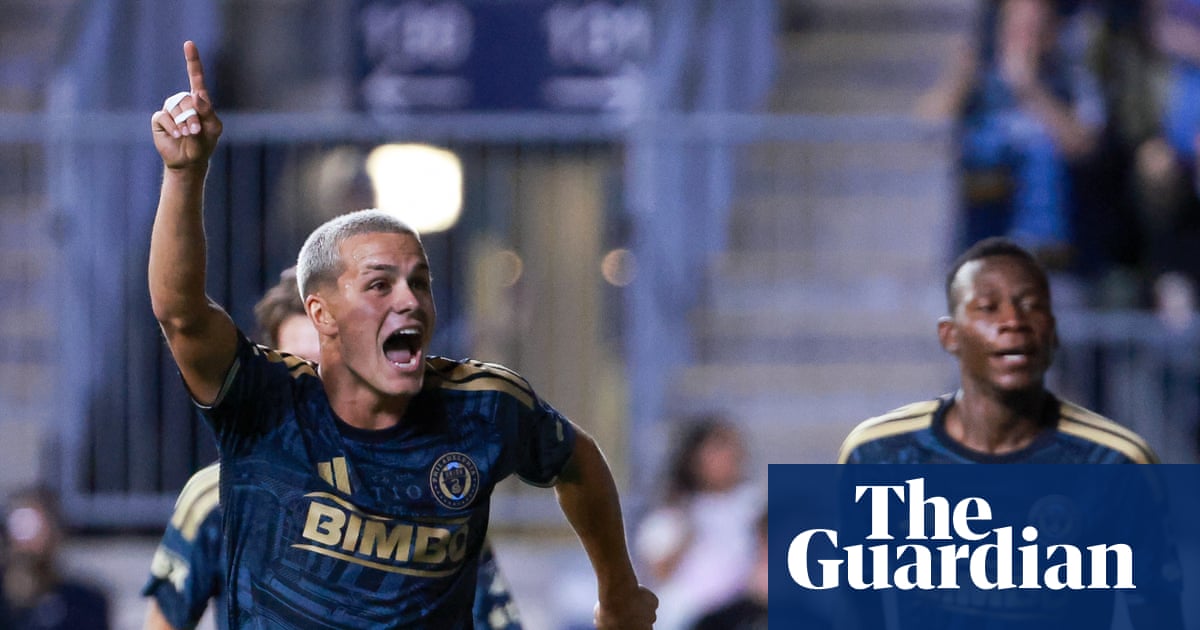
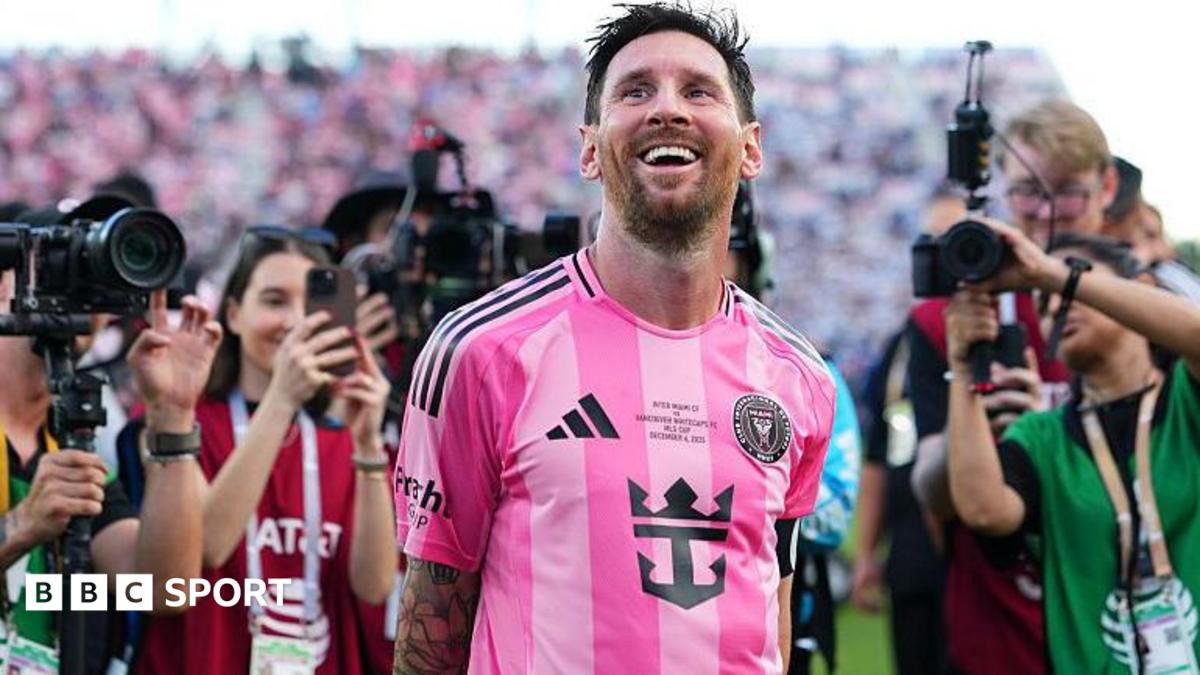
Major League Soccer is currently navigating a credibility crisis. The league-wide pause for the 2026 World Cup was always going to present a jarring shift in momentum, but the reality of the return is proving disjointed. Last-minute cancellations are a bad look for a league attempting to capitalize on the summer’s global exposure.
We saw this mess manifest recently when an MLS match was postponed just hours before kickoff. Fans showed up expecting to see Robert Lewandowski make his highly anticipated American debut, only for the gates to effectively slam shut. Pushing that fixture to October 6 screams of incompetence in scheduling and facility management.
The polish is wearing off in Utah
It is not just the league appearing amateurish; the branding efforts are also misfiring. JJ Watt, a man who knows a thing or two about professional sports standards, recently slammed Real Salt Lake for their treatment of his wife, Kealia Watt, during a friendly against Burnley. The public call-out highlights an underlying issue with how MLS clubs handle talent relations and match-day atmospheres.
When a recognizable figure like Watt feels the need to air grievances publicly, it suggests that the off-pitch operational culture within some franchises hasn't kept pace with the influx of high-profile players. This is a negative trend that detracts from the product on the pitch. If the clubs cannot manage internal hospitality, expecting them to manage a smooth post-World Cup transition is optimistic at best.
Tactical stagnation awaits
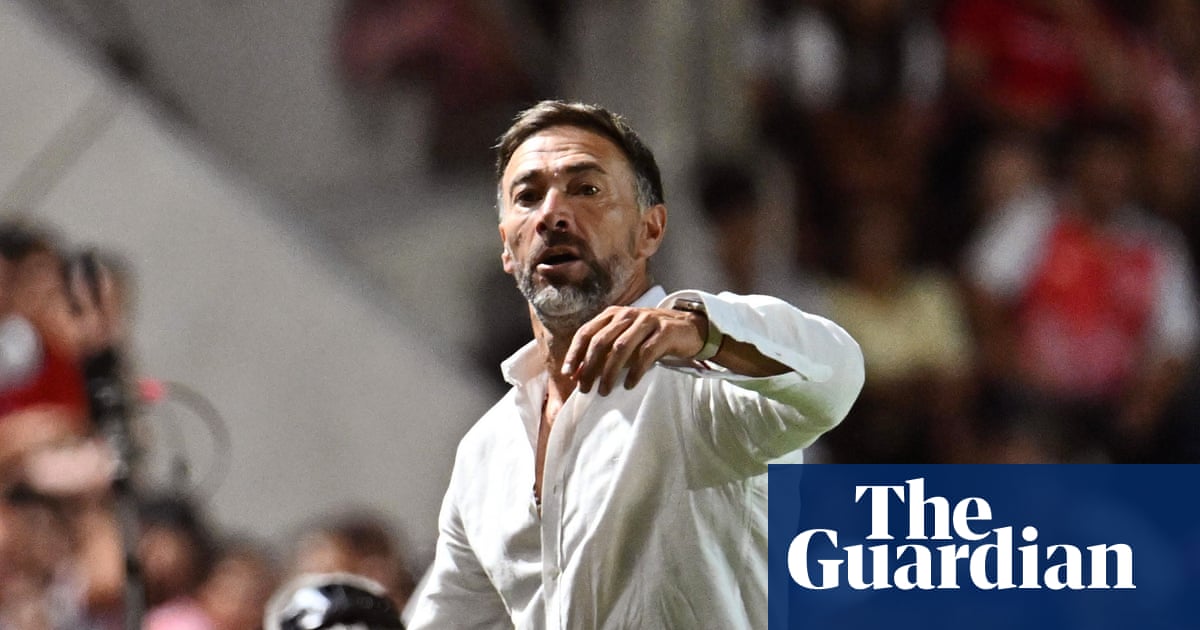
The post-tournament fatigue is real. Following the 2026 World Cup exit, the international narrative has shifted back to internal management, with Gareth Southgate currently being linked to various high-profile roles. This carousel creates market noise that will distract from the domestic product as players return to their club squads.
My prediction is simple: the return to regular-season play will be ugly. We are going to see heavy legs, disrupted routines, and a lack of sharpness that forces managers into ultra-conservative, low-block formations to avoid dropping points. The expected quality of play in the coming weeks will likely hover below the 2.4 goals per game average we saw before the break. There will be more late-match collapses due to physical depletion. Expect the mid-table teams to play for draws until late September.