Welcome to the Meat Grinder
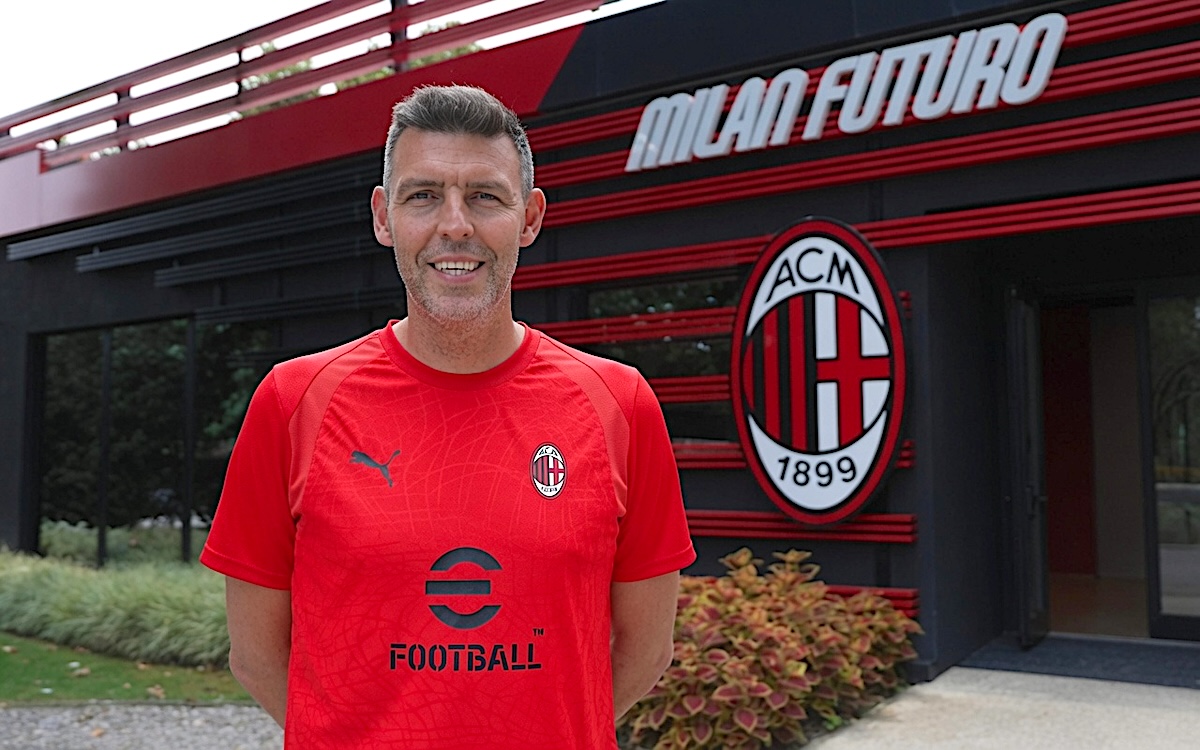
If you want to know what real character looks like in modern Italian football, don't watch ninety minutes of sterile possession inside San Siro. You need to drive an hour outside the fashion district to a cramped ground where the grass looks like a neglected municipal park and the local ultras sound like a choir of angry dockworkers. That is where Milan Futuro found themselves this week, staring down an absolute street fight against Pavonese.
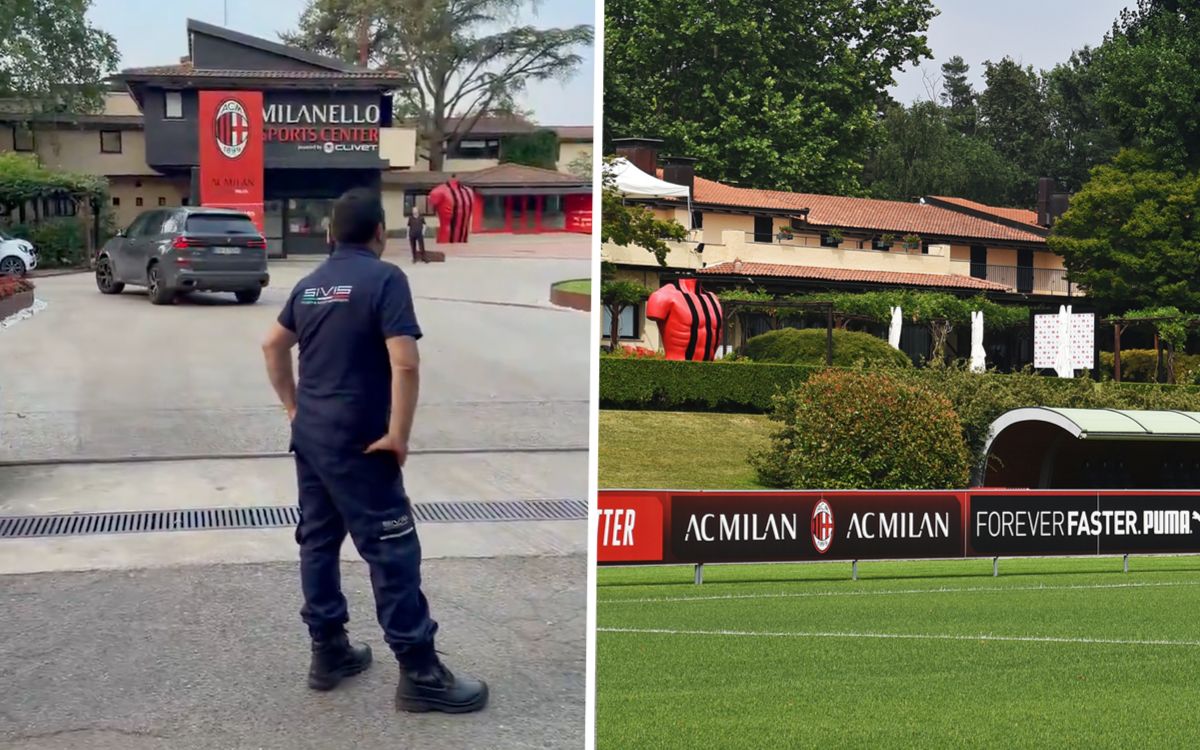
Nobody at Milanello wants to admit it out loud, but these reserve squad road trips are basically a weekly hazing ritual. You take teenagers who grew up with personalized boot sponsorships and GPS performance monitors, and you dump them into a bear pit against thirty-something defenders who smell like espresso and cheap tobacco. Pavonese clearly wanted to turn this match into an old-school bar brawl from the opening whistle.
For the first half-hour, the hosts did exactly that by clogging the passing lanes, kicking ankles, and reminding the kids that reputation means nothing in the lower tiers. Milan Futuro struggled to generate rhythm, looking startled by the sheer physical intimidation coming from every angle. It felt like watching an indie band get booked to open for a thrash metal gig in an abandoned warehouse.

The Self-Inflicted Red Card Nightmare
Here is the uncomfortable truth that reserve team apologists love to sweep under the rug. Milan Futuro should never have been in survival mode in the first place, because the red card that reduced them to 10 men was pure amateur hour. You simply cannot commit a petulant, reckless tackle on the touchline when you already know the referee is whistling every puff of wind.
Youth football is supposed to be about learning, but dumb fouls are an epidemic among developmental squads right now. One reckless lunge changed the entire complexion of the afternoon, turning a manageable tactical contest into an exhausting backs-to-the-wall siege. If you are auditioning for the senior squad, showing zero emotional control is the quickest ticket back to the Primavera bench.
Pavonese smelled blood immediately and dialed up the pressure, forcing desperate clearances and chaotic scrambles inside the penalty area. The home crowd was howling for a winner, convinced the youngsters would fold like cheap lawn furniture under the strain. Most teenage sides would have panicked, dropped their heads, and shipped three goals before the final whistle blew.
Instead, Milan Futuro chose that exact moment to show that they actually possess some spine. They tightened the lines, dropped into a compact defensive block, and waited for a single counter-attacking opportunity to emerge from the chaos. It was ugly, desperate, and completely necessary.
Asanji Steps Up When Everything Breaks
That brings us to Asanji, who is quickly becoming the most reliable offensive outlet in this developmental setup. When your team is down a man and suffocating in their own half, you need a forward who can turn one scruffy sequence into gold dust. Asanji did not wait for perfect service or a scripted sequence from the tactical whiteboard.
He snatched his opportunity in the 71st minute, punishing a momentary lapse in the Pavonese backline with cold-blooded efficiency. His predatory strike locked the score at 1-1, silencing the home supporters who had spent the previous twenty minutes anticipating an easy party. That makes multiple fixtures in a row where his sharp movement and ruthless finishing have rescued points from burning buildings.
What makes Asanji so fascinating to watch is his refusal to act like a coddled academy product. When the ball was cleared into no-man's-land, he chased down hopeless bounces and wrestled burly centre-backs to relieve pressure on his exhausted defense. That relentless work rate reminds me of Carlos Tevez in his prime, just terrorizing defenders through pure spite and hunger.
A lot of highly touted academy strikers look magnificent when their midfield is feeding them pinpoint through-balls against compliant youth academies. Put those same golden boys on a bumpy pitch with muddy boots flying at their shins, and they turn invisible. Asanji thrives inside the muck, embracing the physical contact rather than crying to the fourth official.
The Value of Learning to Suffer
For the past two decades, Italian youth development suffered from an obsession with soft, risk-free football in sterile environments. Kids played in the Primavera league until age twenty-one, dominating age-group competitions without ever learning how to take an elbow to the ribs or manage game clocks under hostile conditions. By the time they stepped into senior locker rooms, the cultural shock routinely destroyed their careers.
Look back at the early days of Juventus Next Gen in Serie C back in 2018. They spent their first six months getting shoved around by journeyman center-forwards, losing matches they technically dominated on the stat sheet. But that painful adjustment period eventually forged battle-tested pros who could survive high-stakes European nights without blinking.
Milan Futuro are navigating that exact trial by fire right now, and this gritty draw against Pavonese proves the curriculum is working. Grinding out a draw with ten men will teach these prospects infinitely more about professional survival than bagging five goals against an under-19 regional squad. You cannot teach resilience on an iPad during a video review session.
It requires standing in the box, absorbing repeated crosses, and heading greasy footballs away while some veteran striker steps on your toes. That is the gritty heritage of Italian defending, from Pietro Vierchowod to Giorgio Chiellini. Milan Futuro offered a brief, stubborn tribute to that lineage during the final twenty minutes of this clash.
Fix the Discipline Before It Sinks the Season
With all that praise out of the way, management cannot afford to celebrate this result like a trophy. Rescuing draws after shooting yourself in the foot is a fun narrative for a Tuesday afternoon, but it is an unsustainable strategy over a grueling campaign. You cannot build a winning culture if your players routinely pick up brainless suspensions that leave their teammates hanging out to dry.
Here are three obvious lessons the coaching staff must drill into this squad before their next fixture. Talent alone never survives without tactical maturity in this division.
- Stop chasing reckless tackles in harmless areas of the pitch when defending on a yellow card.
- Feed Asanji earlier in transitions rather than over-complicating buildup play inside your own half.
- Match the physical intensity of veteran opponents from the first whistle instead of waking up after conceding.
The technical staff needs to sit down with the offender and make it clear that individual vanity plays will land you on the bench. Red cards do not just cost points; they burn out the physical stamina of the nine outfielders forced to run marathon distances to cover the gaps. If Milan Futuro keep burning out their squad by November, the second half of this season will be pure agony.
Still, leaving Pavonese with a point in your back pocket feels like a massive emotional victory for the group. They faced adversity, survived an avalanche of late pressure, and found an equalizer through their hottest attacking prospect. That is the kind of dogfight that turns a collection of promising teenagers into a real, unified football team.
If Asanji maintains this lethal scoring touch, bigger stages are going to come calling much faster than anticipated. For now, he and his teammates should savor the taste of a point earned the hard way in the mud. Lower-league football is ruthless, but Milan Futuro just proved they can take a punch and punch right back.