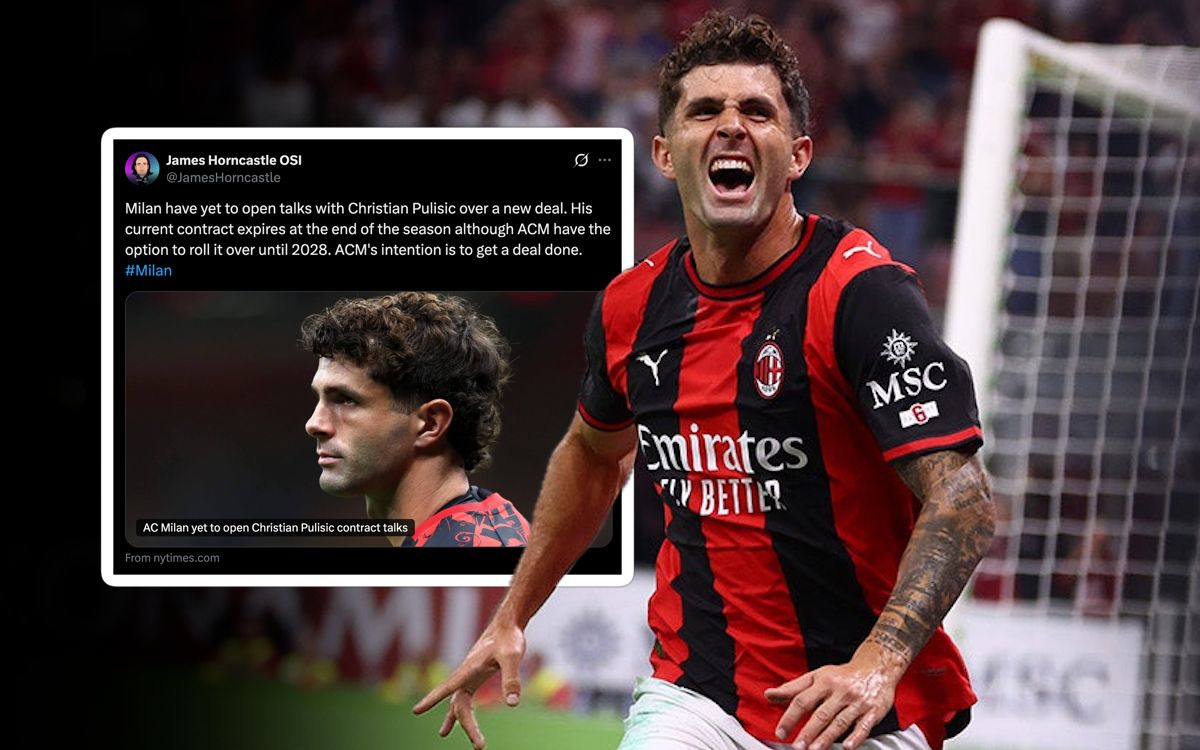
Michael Carrick has Manchester United functioning again

The Carrick shift at Old Trafford
Manchester United have begun their pre-season programme with a sense of clarity that was entirely absent during the previous two campaigns. Under Michael Carrick, the stylistic shifts are no longer theoretical. He has moved away from the reactive, transitional football that defined the post-Ferguson era, opting instead for a controlled possession game that demands high-level technical proficiency in the middle third.
Qualification for the Champions League was the baseline expectation, but the manner in which they secured it dictates their current trajectory. Carrick has identified the squad’s primary bottleneck—the lack of composure in the transition from defense to attack—and is spending this summer refining the mechanics of the midfield pivot. The squad’s recent transfer dealings, particularly those nearing completion, reflect this internal audit.
The market reality of the 38 million valuation
The latest news surrounding the club’s £38million move suggests a deliberate move toward reliability over reputation. Spending that sum on a player who profiles as a ball-recycler rather than a highlight-reel attacker signals a departure from the previous "star power" recruitment doctrine. It is an investment in the system itself.
However, the skepticism remains valid regarding the defensive structural integrity during these transitions. While Carrick has succeeded in possession retention, there were moments during the final quarter of the last domestic campaign where his full-backs were caught too narrow, leaving the wide channels vulnerable. If the new arrivals do not possess the recovery pace to cover these vacated zones, the improved attacking patterns will be undone by simple long-ball counter-attacks.
Recalibrating the defensive line
Carrick’s reliance on a high defensive line requires center-backs who are comfortable defending on the halfway line. During the training sessions observed this week, the drill-work focused heavily on body orientation when facing transition. It is not just about the individual capacity to win a duel; it is about the collective awareness of where the space originates the moment possession is surrendered.
The current exit agreements nearing completion indicate that marginal players are finally being moved on to make room for personnel with higher tactical intelligence. This is a cold, calculated efficiency that the club has lacked for nearly a decade. Management is pruning the squad to ensure that every player on the pitch understands their specific movement triggers within the shape.
The verdict on the current project
Everything right now hinges on the psychological belief that United can dominate the ball against elite European opposition. If Carrick’s tactical blueprint fails to account for the speed of transition in the Champions League, the transfer strategy will be re-evaluated under immense external pressure. The £38million price tag is significant; it must equate to immediate, tangible impact on the pitch by October.
Ultimately, the baseline is set. Carrick has moved the club past the period of total disarray, but the expectations have shifted upward in correlation. Being technically competent is a start, but winning the games that define a season requires finding that final, surgical gear in the final third. We will know by the first international break if this project has the legs for a title push.
Nike Pitch Soccer Ball
High-visibility training ball engineered for crisp touches and weekend kickabout
Frequently Asked Questions
What is the core focus of Michael Carrick’s tactical style?
How has the club’s transfer strategy changed under Carrick?
What is the primary defensive concern in Carrick’s system?
How are players being prepared for a high defensive line?
Why is Manchester United offloading marginal squad players?
More Coverage

Arsenal face Leeds with Arteta locked in and a point to prove
1 week, 3 days ago
Why Tottenham Are Screwed and Man City's Perfect Start Means Nothing
1 week, 3 days ago
Tottenham are stuck at the bottom and history says they should panic
1 week, 3 days ago
Top 10: World Football's Biggest Storylines, Scandals, and Shocks of 2026
1 week, 4 days ago
Why Martin Odegaard and Premier League Stars Are Obsessed With VR
1 week, 4 days ago
Portugal are finally better off without Cristiano Ronaldo
1 week, 4 days agoMore Analysis

Carlos Baleba returns to action as Man Utd face midfield injury sweat
2 weeks, 1 day ago
Billy Meredith's £10 bribe launched Manchester United's original dynasty
2 weeks, 4 days ago
Man United's rumoured £142m raid on Man City faces a harsh reality check
2 weeks, 4 days ago
Deco shuts down JJ Gabriel rumor, but Man United's academy problem remains
3 weeks ago
Why Xabi Alonso and Roberto De Zerbi are already facing a tactical wall
3 weeks, 2 days ago