The enduring dominance of the game's final icons
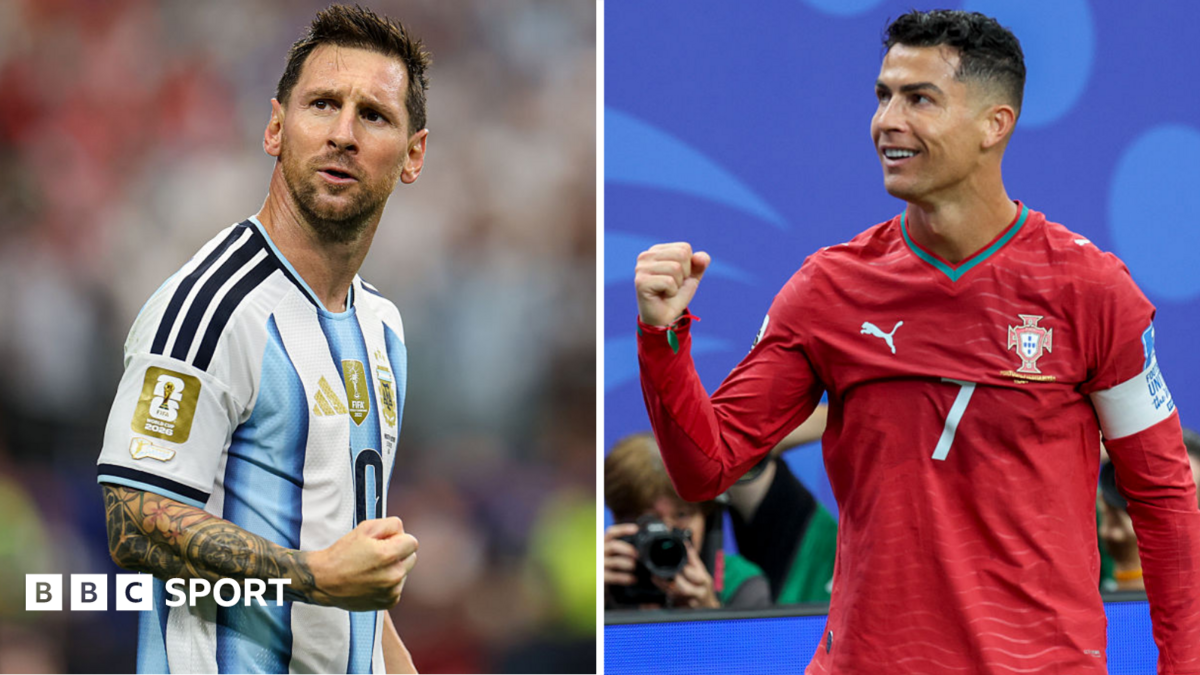
Lionel Messi turned 39 today. Cristiano Ronaldo remains active at 41. In an industrial age of football that demands relentless pressing and high-intensity output, these two figures continue to defy conventional sports science.
We are witnessing the tail end of an era that will define the sport for the next century of historical analysis. While their peers have long since pivoted to punditry or coaching, Messi and Ronaldo remain the primary focal points for their respective clubs and national setups. The longevity here is not just about physical preservation; it is about cognitive adaptation.
Adapting to the modern demands
Messi at 39 is no longer the explosive winger who shredded backlines in his mid-20s. He has evolved into a cerebral architect, operating primarily as a facilitator who dictates the geometry of an attack from the half-spaces. He does not run to chase; he runs to position. It is an acknowledgment that he can no longer engage in the high-press, counter-pressing machines that define the current tactical trends seen across Europe.
Ronaldo, at 41, has taken a different path. He has evolved into a pure box-predator. His movement inside the penalty area remains lethal, even if his capacity to beat a defender one-on-one has diminished significantly over the last three seasons. His role is now singular: provide the final touch. It is a refinement of his game that would have been unthinkable during his early days at Manchester United.
The reality of the twilight years
Despite the records, we must confront the decline. The lack of defensive contribution from both players creates a massive void that their club managers are forced to fill. Bringing Messi onto the pitch requires a team to build an entire defensive structure around his lack of tracking back. This forces teammates to provide double the energy to compensate for his stationery presence.
The same logic applies to Ronaldo. When he is on the pitch, the team essentially plays with ten men defensively. This is the trade-off for his finishing ability. While their scoring statistics remain high, the net impact on match control is often negative in high-stakes European competition. Tactical flexibility is sacrificed at the altar of their reputations.
Defining the legacy against the calendar
Age remains undefeated, regardless of the individual talent on display. We see it in the frequency of their appearances. Both players have required significant load management throughout the current campaign to avoid soft-tissue injuries. It is a fragile state of affairs, one that forces managers to choose between starting their best goal-scorer or maintaining the intensity of a high-pressing game plan.
As recent reporting highlights, their ability to continue breaking records at this age is an anomaly in professional sport. Most players would have retired or moved to lower-tier leagues years ago. Yet, the motivation remains distinct. For Messi, it is about maintaining a certain degree of artistry and creative control. For Ronaldo, it remains a pursuit of volume and raw goal-scoring numbers.
The inevitable conclusion of the rivalry
The historical weight of their rivalry has masked just how much the game has changed around them. Modern managers prioritize collective movement above individual flashes of genius. When a team opts to build around a 39-year-old playmaker or a 41-year-old striker, they are making a statement about their own tactical development—or lack thereof. It creates a ceiling for what the team can achieve.
We are watching the curtain call on a career trajectory that has spanned two decades. While the numbers suggest they are still performing, the eye test often reveals the limitations of their age. The lack of explosive pace is no longer a minor issue; it is a defining characteristic of their game. They are surviving in the game by eliminating the need to be fast, but it forces their managers into rigid, often predictable tactical patterns.
What this means for the future
The industry will eventually face a total void once both players move on. There is no natural successor to the sheer volume of output or the commercial reach these two magnets provide. However, for the teams involved today, the reliance is becoming an anchor. Focusing on their continued presence makes it difficult for younger talents to develop under the same spotlight.
The era of the individual superstar carrying a side is fading. Collective efforts are the standard. While Messi and Ronaldo might still find the net, the reliance on them is a window into the past rather than the future of elite football. We are seeing a masterclass in adaptation, but it is an adaptation that highlights the growing disconnect between traditional superstar roles and the demands of the modern tactical game.