O'Neill recovery clears path for dugout return
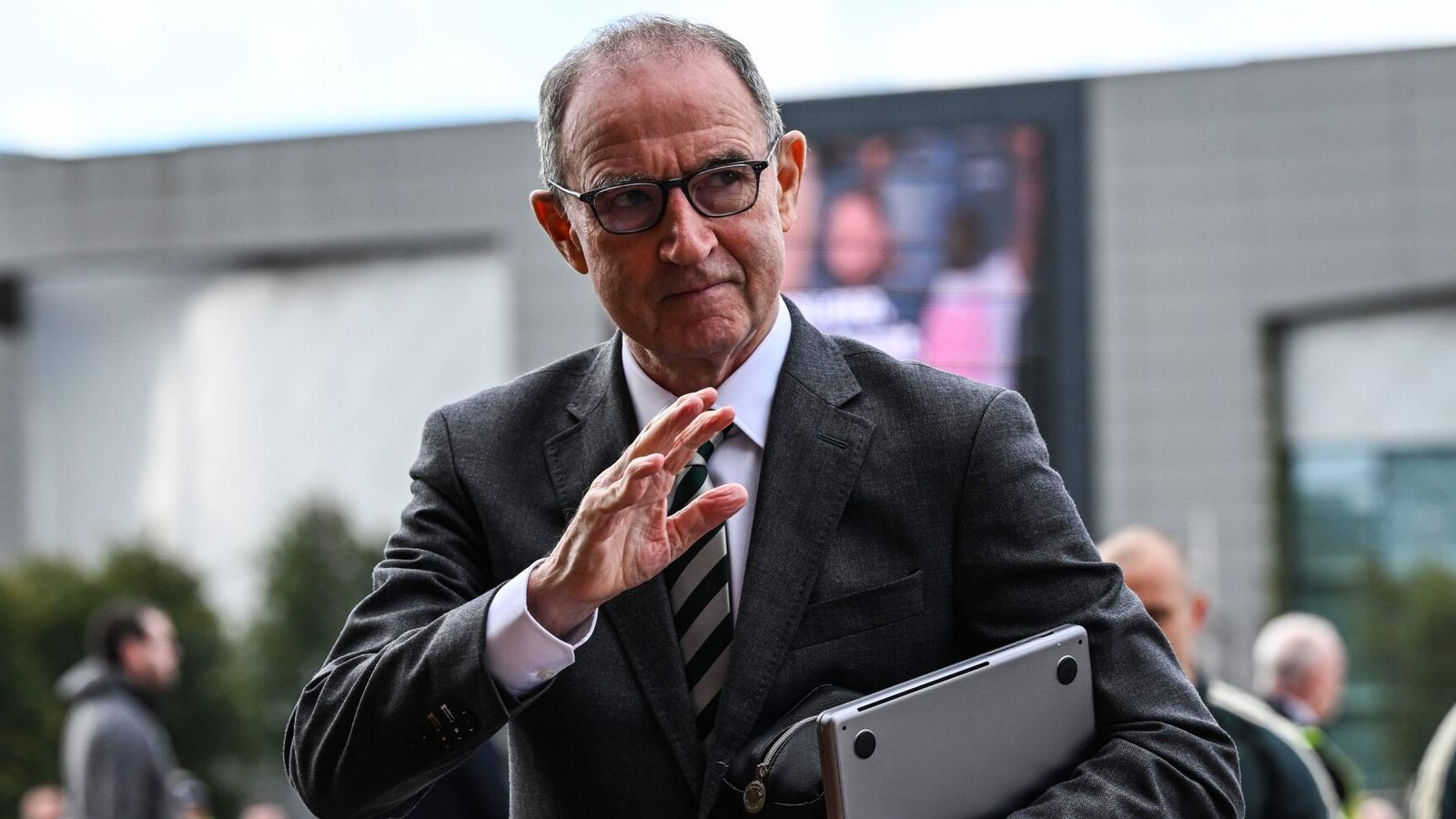
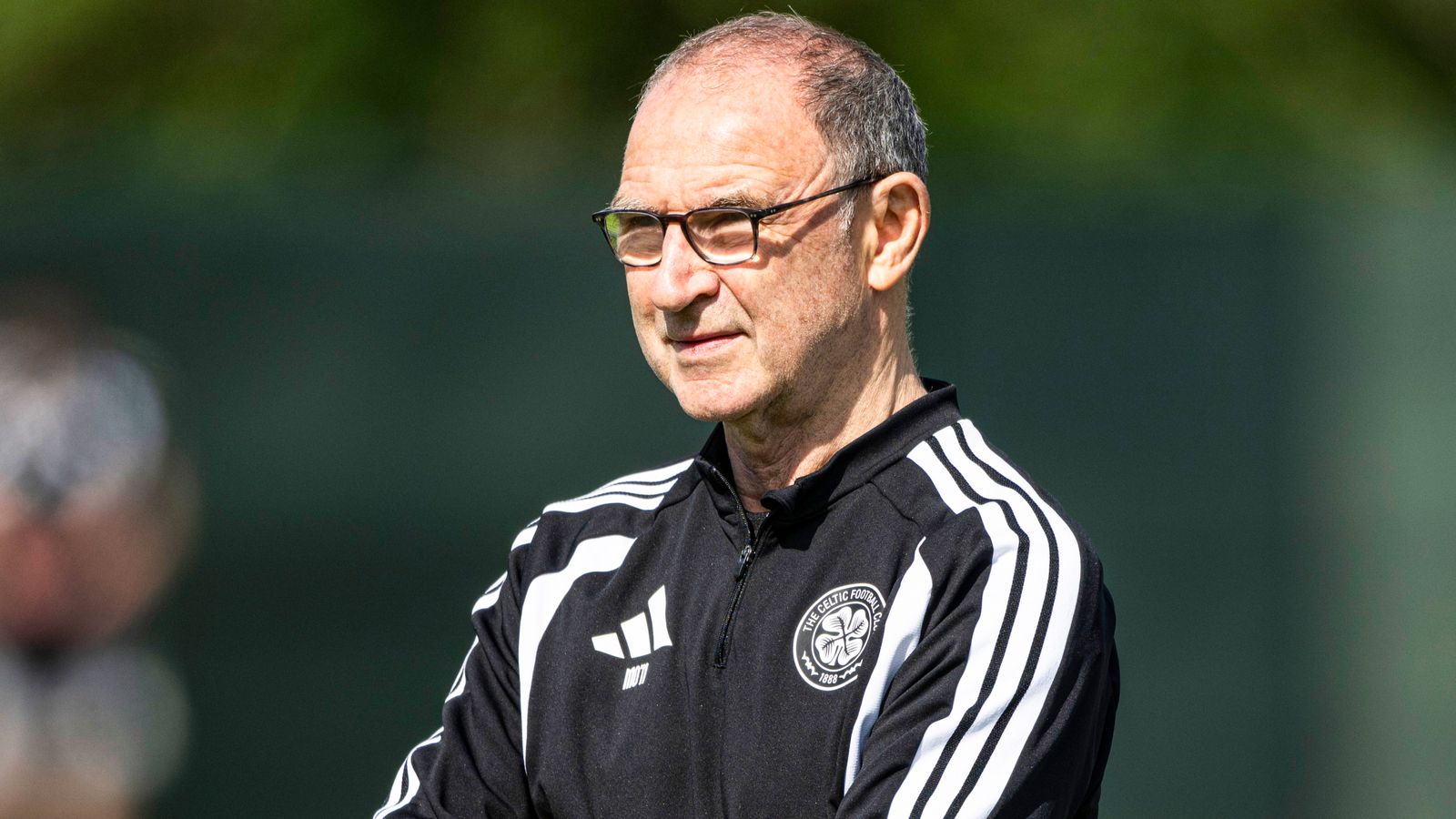
Celtic manager Martin O'Neill has been discharged from the hospital following a minor medical procedure. The club confirmed his release on Thursday, ending a brief period of uncertainty that kept the manager away from the training grounds at Lennoxtown earlier this week. Assistant manager Shaun Maloney stated the club anticipates a full recovery, with a possibility that O'Neill will lead the side during the upcoming clash against Kilmarnock.
While the immediate health concern appears resolved, the nature of the procedure underscores the physical toll of elite management. As reported by Sky Sports, O'Neill missed training sessions while undergoing the treatment. The recovery timeline remains fluid, but the Daily Mail notes that Maloney holds out hope for a weekend sideline appearance. Missing a matchday would be a significant tactical disruption, though Maloney is prepared to step in if the manager requires further rest.
Jota marks long-awaited return to Lennoxtown
The bigger tactical story at Lennoxtown is the return of Jota to group training. The winger has spent an extended spell on the sidelines, largely absent from the first-team fold due to a persistent injury set that plagued his recent progress. Seeing him back on the pitch provides a much-needed boost to the attacking depth charts as the squad prepares for the rigors of the domestic campaign.
Maloney has been explicit about the transition plan for the winger. The goal is to avoid rushing him into competitive minutes before his fitness base is fully established. It is a smart, calculated approach to avoid a relapse, especially considering how easily these soft-tissue complications can become chronic if managed poorly. The Daily Mail reports that the coaching staff has already mapped out a controlled reintegration schedule to ensure he survives the season.
Transfer rumors linger despite injury news
While the internal fitness focus centers on O'Neill and Jota, recruitment optics remain a secondary headache for the club. Manchester United continues to hunt for defensive solutions, specifically eyeing Newcastle’s Lewis Hall. With Luke Shaw reaching the final year of his contract at 31, United is clearly feeling the pressure to lock down the left-back slot before the window closes.
The strategic implication is obvious: top-flight clubs are aggressively thinning out defensive talent, forcing everyone to evaluate their depth. If a player like Hall shifts, it ripples through the market, often creating a scramble for secondary options. Celtic would do well to keep their own squad stability a priority while the transfer market noise intensifies around them. The reliance on aging veterans across the league suggests that clubs betting on long-term health are increasingly gambling against the odds.
The cost of management intensity
There is a recurring flaw in how clubs handle the health of both players and staff. O'Neill’s hospital visit serves as a blunt reminder that the pressures of the technical area are as demanding as the physical training on the field. Managers often skip necessary preventative measures to maintain control, leading to forced absences when small issues escalate. Relying on assistants to bridge these gaps is standard, but it rarely replaces the consistent presence of a primary decision-maker during high-stakes fixtures.
Similarly, the slow reintroduction of players like Jota highlights the narrow margin for error when managing return-to-play protocols. Rushing a return might provide a temporary fix, but the history of the game is littered with stars who were effectively sidelined for good because of one rushed appearance. Celtic’s caution is the correct move here, provided they don't let the pressure to produce results override the medical guidance. They currently have 0 matches missed for the upcoming round pending the final medical green light for O'Neill.
Looking ahead, the next 72 hours will define the readiness of both the manager and his winger. If O'Neill misses the trip to Kilmarnock, the burden falls on Maloney to maintain the momentum. It is a familiar test for an assistant, but one that could signal how well the squad operates when the primary structure is disrupted. The management staff is clearly balancing short-term necessity with long-term survival, a difficult needle to thread in a competitive environment where poor results lead to immediate job instability.
Read Next
- Martin O'Neill returns to Celtic fold as Jota eyes long-awaited comeback
- Luka Modric back for Milan derby after injury scare tests Redneri squad depth
- Top 10: UEFA's Most Volatile Moments in the Infantino Era
- Gianni Infantino's FIFA presidency hits a breaking point
- ⚽ Scottish Premiership 2025-26 — Celtic vs Rangers Hub