The math behind the bracket
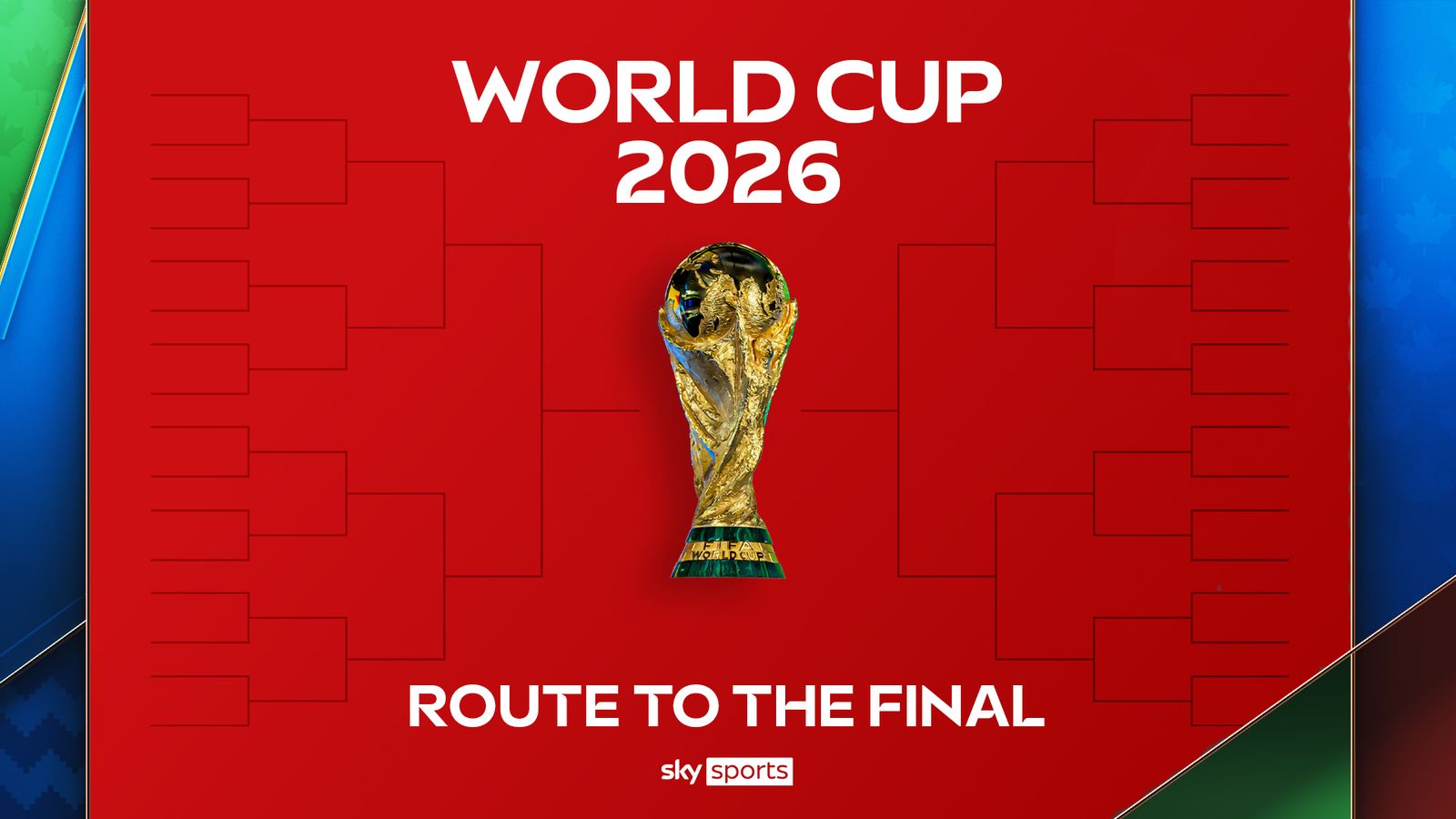
The 2026 World Cup group stage is churning through its final rotations. We have moved past the initial feeling-out period and arrived at the moment where managers look at their goal difference and start sweating over tiebreakers. According to recent breakdowns by Sky Sports, the expansion to a 32-team knockout bracket introduces a geometric complexity that old tournaments lacked. Every draw now carries the weight of a multi-stage logistical nightmare for coaching staffs.
Why every goal counts in the dead rubber
We see teams chasing the top two spots while keeping one eye on the best third-place scenarios. In the current format, a 1-0 victory in a closing group game is not just a point-getter; it acts as a defensive insurance policy. Efficiency is the currency of this tournament. Teams managing their defensive transition while maintaining a rigid shape in the final third are finding success early, while high-pressing sides are burning out before the 70th minute.
The defensive ceiling of the favorites
Look at the tactical setups of the top seeds. They are playing conservatively early, holding their structure and refusing to commit full-backs to wide areas until they have a firm grip on the midfield. It is a calculated exercise in risk mitigation. Many managers appear terrified of the transitional speed available to the lower-ranked nations. This results in slow, methodical build-up play that limits the creation of high-quality chances.
Critics point to the lack of fluidity in the attacking thirds compared to the 2022 edition. While some might call it tactical discipline, I call it a lack of individual bravery. Players are choosing the safe lateral pass to maintain possession statistics rather than risking the line-breaking ball that would unlock a stubborn back five. This tournament needs someone to break the script.
Projections for the knockouts
The bracket structure is designed to isolate the powerhouses, but the expanded field creates potholes for the complacent. If a top-tier side drops to second in their group, the path becomes exponentially harder. They face the risk of running into a disciplined side that has spent three matches honing a counter-attacking identity. Expect to see at least two high-ranked teams exit prematurely due to a refusal to adjust their tactical approach against low-block opponents.
My prediction for the round of 32: we will see a chaotic spread of results where grit outperforms pedigree. Specifically, look for teams with a settled starting XI and a distinct defensive pivot to survive the initial bracket pressure. I expect the final winning margin in at least half of these matches to stay within a single goal. Prepare for extra time and the inevitable heartbreak of penalty shootouts.
Read Next
- Which 2026 World Cup stadium actually isn't a dump
- Bosnia finally finding their feet on the world stage
- Bafana Bafana showed the world exactly why Group A was worth watching
- Bafana Bafana prove that discipline beats star power
- 🏆 World Cup 2026 — Full Coverage Hub
- 🏆 World Cup 2026 Final — MetLife Stadium Hub


.jpg)