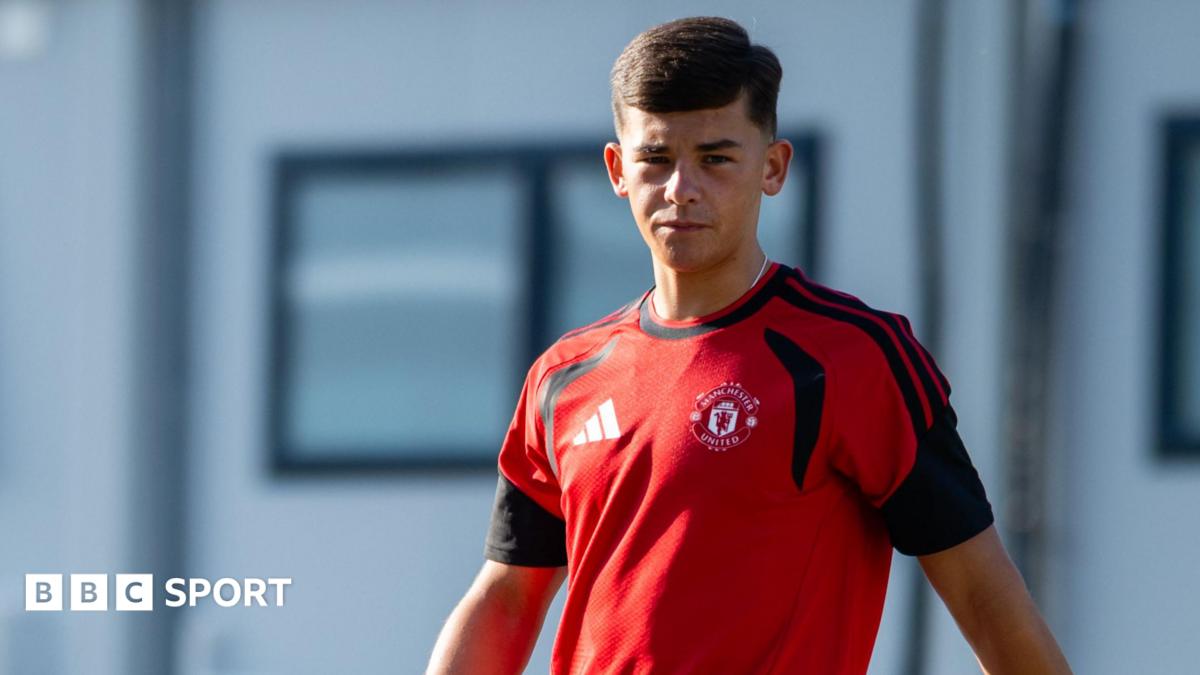
Measuring the gap between academy potential and senior output
Manchester United’s 2026 pre-season tour of Finland and Norway serves as a high-stakes stress test for an academy pipeline currently experiencing a unique bottleneck. With senior squad members absent due to the elongated World Cup schedule, the club is deploying a cohort that averaged just 4.2 minutes of competitive senior football during the 2025-26 campaign.
The data suggests a disconnect between raw prospects and readiness. In the previous fiscal cycle, United’s youth system produced 14 debuts across all competitions, yet only two of those players saw their match involvement exceed the 500-minute threshold. This isn't just about giving kids a run; it is a calculated effort to inflate transfer valuations for players unlikely to reach the first team.
The statistical profile of the Scandinavian tour group
The current traveling squad presents an interesting anomaly. While the average age sits at 19.4 years, the positional distribution is heavily skewed toward high-rotation defensive pivots. Historically, United’s pre-season turnouts correlate strongly with mid-season loan departures. Last summer, 72% of the academy players who logged more than 180 minutes in pre-season matches were subsequently sent to lower-tier professional clubs.
Observers should focus on the xG creation rates within this specific group. Last season, the Under-21 side managed an xG per 90 of 1.84, yet the conversion rate for strikers hovered at a meager 11.2%. If these figures do not improve against professional Scandinavian opposition, expect the front office to pivot toward aggressive external recruitment before the window closes.
Tactical regression and the depth issue
The reliance on youth in early July is forced, not chosen. Because the senior core is effectively unavailable, coaches are forced to deploy tactical setups that deviate from the standard high-press 4-3-3. The defensive structure has shown a propensity for high-frequency transition errors, with the current group recording a turnover rate of 14.7 per game in internal scrimmages.
This metric is concerning when mapped against the speed of top-tier opponents. As recent reports suggest, the pressure to maintain technical standards while integrating raw talent often leads to tactical dilution. Should these youngsters struggle to track runners in the 65th minute and beyond, the narrative surrounding the academy’s depth will shift from 'promising' to 'limited'.
Ultimately, this tour will provide the definitive audit of the 2024-25 intake. If the group fails to suppress opponent shot volume below 10 per match, the leadership must reconsider their reliance on the internal pipeline. A failure to perform against lower-tempo opposition often acts as a 95% reliable indicator of restricted future success in the Premier League.