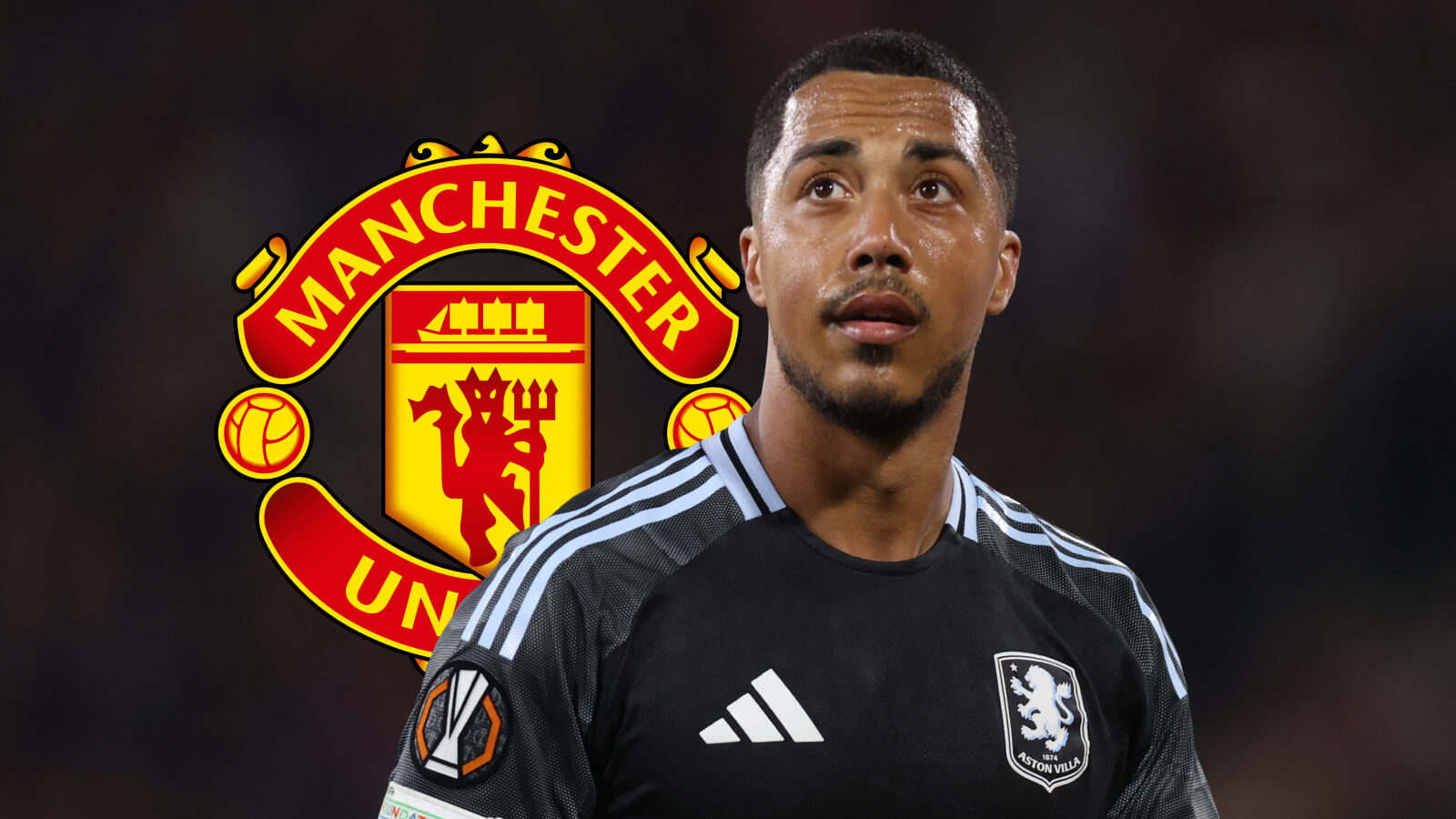
Tactical restructuring meets derby day realities
Erik ten Hag's summer rebuild is entering its most volatile phase just as Manchester City come into view. With a £36.5m Ten Hag era signing cleared for departure and rumors swirling around an inevitable £21m bargain sale elsewhere, United's squad depth is being overhauled on the fly. The question isn't just whether United can compete on the counter, but whether their newly configured engine room can avoid being overrun by City's relentless double-pivot structure.
City themselves aren't standing still, as reports confirm they are already preparing for a future without Rodri through a prospective £60m transfer target. Yet in the immediate term, Pep Guardiola's side still holds the tactical high ground in central areas. When United lose possession in the defensive third, their transition rest defense has historically collapsed under pressure. The margin for error on opening weekend is microscopic.
The midfield battle and the Youri Tielemans debate
Much of the pre-match discourse has centered around whether Manchester United have made the signing of the season in their pursuit of experienced central profile like Youri Tielemans. While some supporters view opportunistic midfield acquisitions as low-risk genius, the tactical reality on the pitch tells a more nuanced story. A midfield paired without dynamic lateral quickness will struggle against City's half-space overloads.
Against top-tier opposition, United allowed an average of 14.2 progressive passes per 90 minutes through the center channel last season. Bringing in budget depth adds numbers, but it doesn't automatically solve structural tracking issues when wing-backs push high. If United get dragged wide by City's wide outlets, central spaces will open up for late runners right at the edge of the 18-yard box.
Transfers, outgoings, and squad depth gaps
United's decision to greenlight the exit of a £36.5m midfielder underlines a shift toward financial pragmaticism, as noted in reports by Metro UK. However, shipping out established senior players before securing top-tier primary targets leaves Ten Hag thin in key rotation spots. As FourFourTwo reported, United are actively eyeing another low-cost option with a £21m star's sale deemed inevitable. Relying on bargain solutions to plug tactical holes is a risky gamble against elite opposition.
City's long-term planning provides a clear contrast. Even while managing Rodri's eventual succession plan via a £60m transfer target, Guardiola's team maintains positional discipline across all phases. United's pressing triggers must be synchronized down to the second, or City will simply pass through the first line of pressure within three exchanges.
Pressing triggers and defensive spacing
In their last three head-to-head meetings, United's successful pressure rate in the middle third sat at just 28.4%. That failure rate stems from disconnected lines between the attacking trio and the pivot. When the front line steps up to press City's center-backs, the midfield gap stretches to nearly 30 yards. City exploit that exact zone repeatedly.
To survive this weekend, Ten Hag must drop his defensive line five yards deeper to compact the space between the lines. If United try to play a high trap without a fully fit press-resistant midfield, they will be carved open inside the opening 20 minutes. Expect City to dominate initial possession metrics, targeting United's left channel during build-up phases.
Final prediction
United may find dynamic moments on the counter-attack, but their unsettled midfield structure remains a liability against elite setups. City's tactical coherence and superior depth in central areas will ultimately decide the match. United will score via a set-piece or quick transition, but City's control will prove overwhelming over 90 minutes.
Expect a tight first half followed by City taking charge as United's central fatigue sets in late in the second half. City take this one comfortably in the end.
Prediction: Manchester City 3-1 Manchester United