The myth of the English financial juggernaut
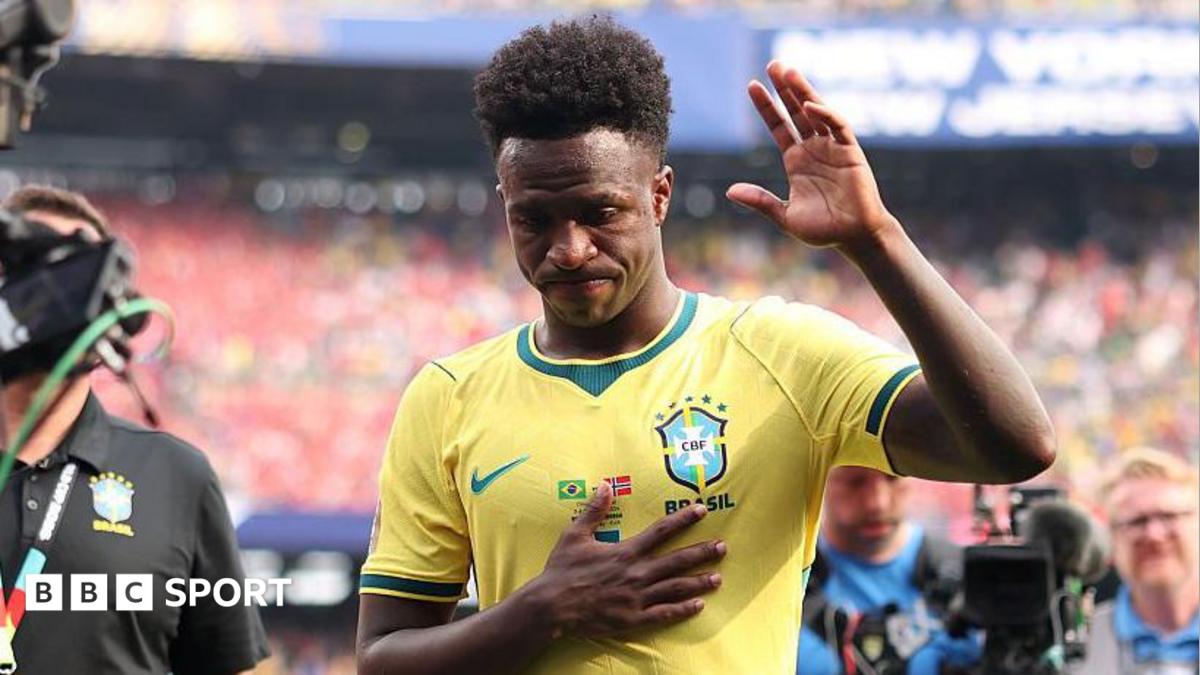
The English transfer window is a display of excess, yet a recurring pattern persists. When the absolute pinnacle of global talent reaches a career inflection point, the Premier League is increasingly the bridesmaid, never the bride. The recent decision by Vinicius Jr to spurn interest and remain at Real Madrid confirms a trend that recent reports highlight: money alone no longer dictates the elite migration path.
We see mid-table clubs like Ipswich Town chasing stop-gap solutions, investing £9m in players like Saša Lukić to plug holes in a sinking ship. Meanwhile, the heavyweights of the league are finding that the allure of European heritage and the lifestyle associated with La Liga giants outweighs a larger weekly wage packet. The projection of a £9m transfer fee as a standard mid-table maneuver underscores the desperation for immediate tactical stability rather than genuine star power.
Tactical rigidity meets the reality of recruitment
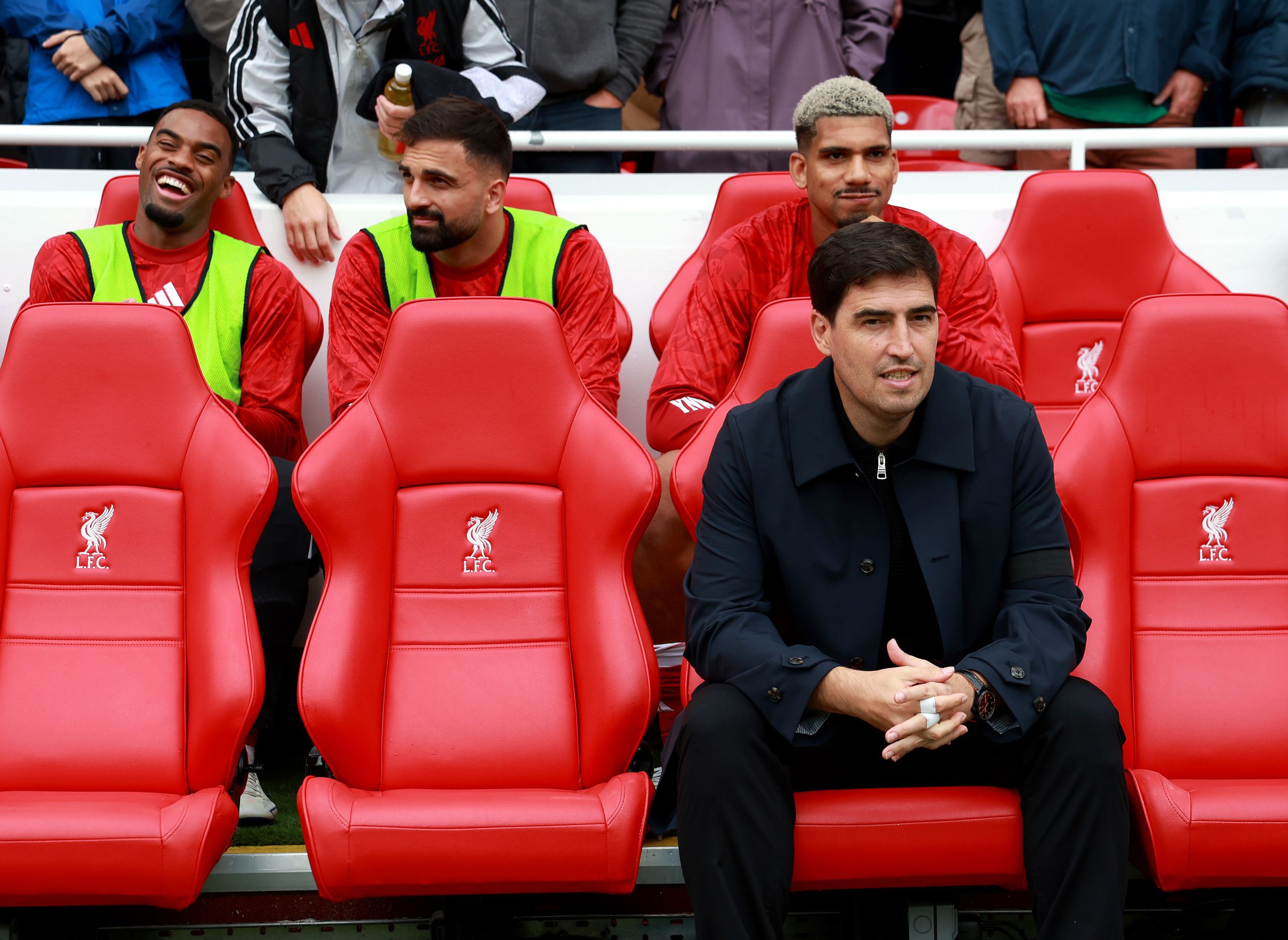
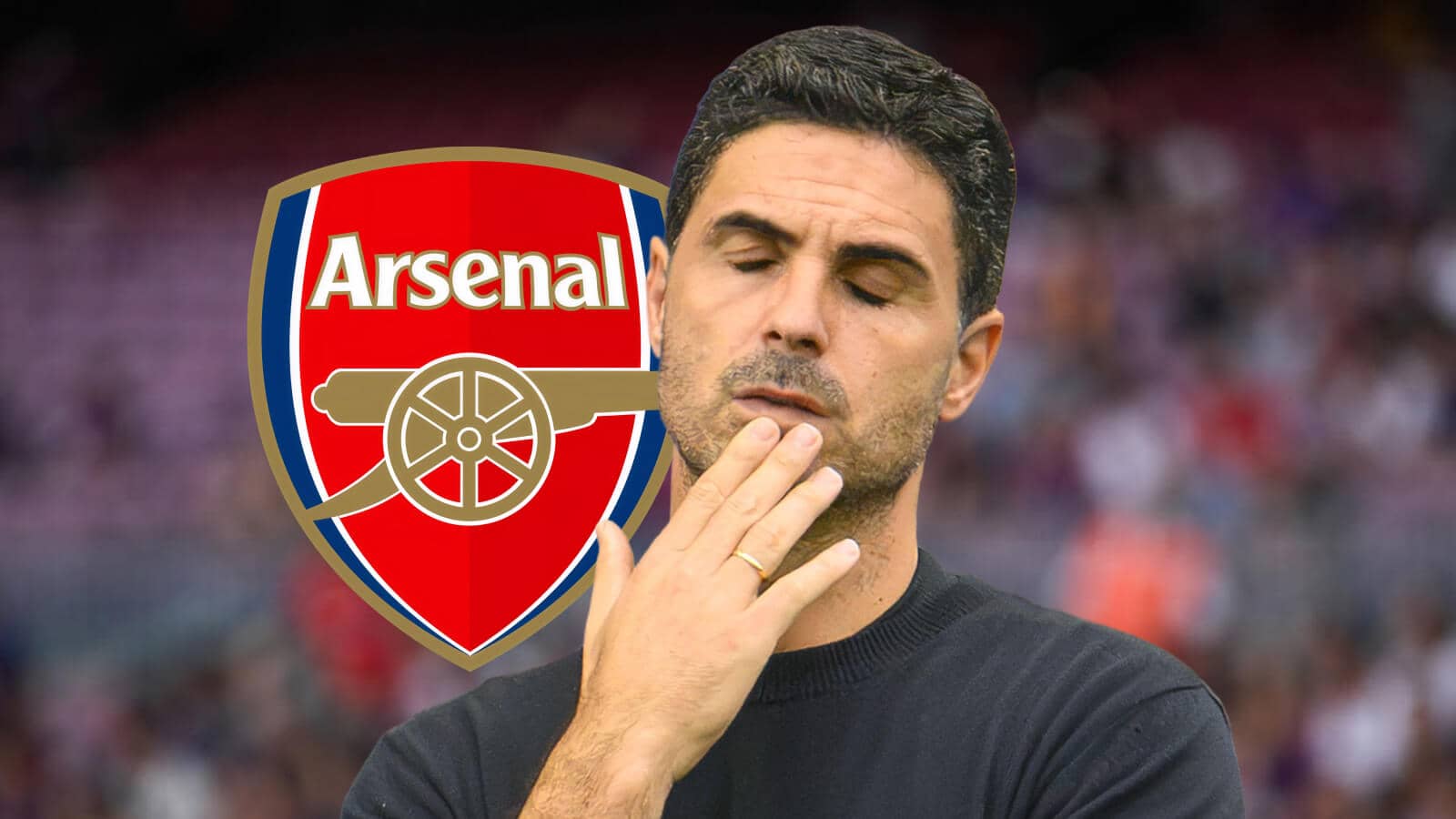
Managers like Unai Emery and Vincent Kompany are attempting to build systems that rely on high-functioning units rather than singular, world-class game-changers. This shift is practical, but it exposes the league's inability to secure top-three Ballon d'Or candidates. When your tactical board requires a high defensive line—a gamble Kompany is notorious for—you need defenders with immense recovery pace. Unless you can lure a peak-era Raphael Varane or a prime Virgil van Dijk, you are relying on internal development or bargain bin scouting.
The defensive metrics for clubs outside the traditional 'Big Six' are alarming. Many operate with a mid-block that disintegrates under transition, conceding high-quality xG opportunities against technically elite opposition. Scouting departments are prioritizing volume over quality, hoping that a collection of £15m signings can aggregate into a competitive whole. It is a gamble that rarely pays off against sides boasting deeper squads and clearer sporting identities.
Why the Premier League lacks the peak-year magnet
English football remains an exhausting, physically demanding marathon. The winter schedule, the lack of a true break, and the sheer intensity of the league’s bottom-half sides mean that even domestic cup ties feel like high-stakes brawls. This intensity serves as a deterrent for players who value longevity and legacy above domestic trophies. Why risk a career-ending injury in a cold rainy Tuesday in Ipswich when the Santiago Bernabéu offers sunshine, tax advantages, and a consistent path to the Champions League final?
We have reached a point where the Premier League is the destination for tactical innovators, yet a waypoint for players, rather than the final step in their evolution. The league is currently paying a premium for players entering their decline phase. If the current trajectory continues, we will see the gap between the Champions League elite and the English contingent widen further. Tactical discipline can only mask a lack of elite top-tier talent for so long before the cracks appear on the scoreline.
Predicting the inevitable frustration
My forecast for the upcoming season is simple: expect more 'smart' spending that fails to move the needle. We will see clubs continue to buy tactical cogs instead of match-winners, hoping that superior coaching can nullify the talent gap. It is a high-risk strategy that ignores the reality of the market. When August 2026 concludes, we will likely look back at these transfer dealings as a missed opportunity to bridge the gap with the continental giants. Clubs are playing for survival rather than the summit, and that mindset is precisely why the world's best players are looking elsewhere.