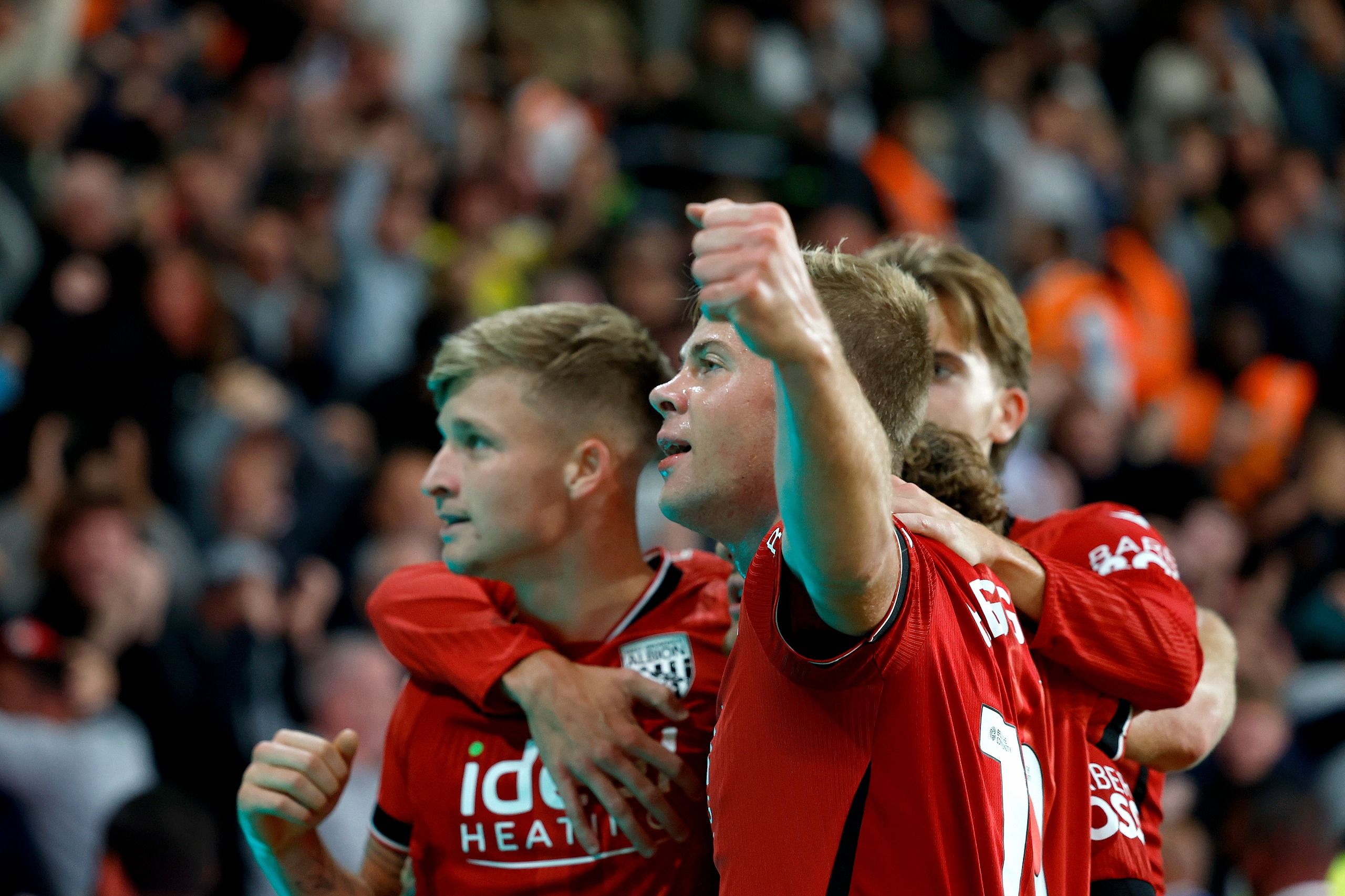
Ipswich buying Saša Lukić is standard mid-table panic
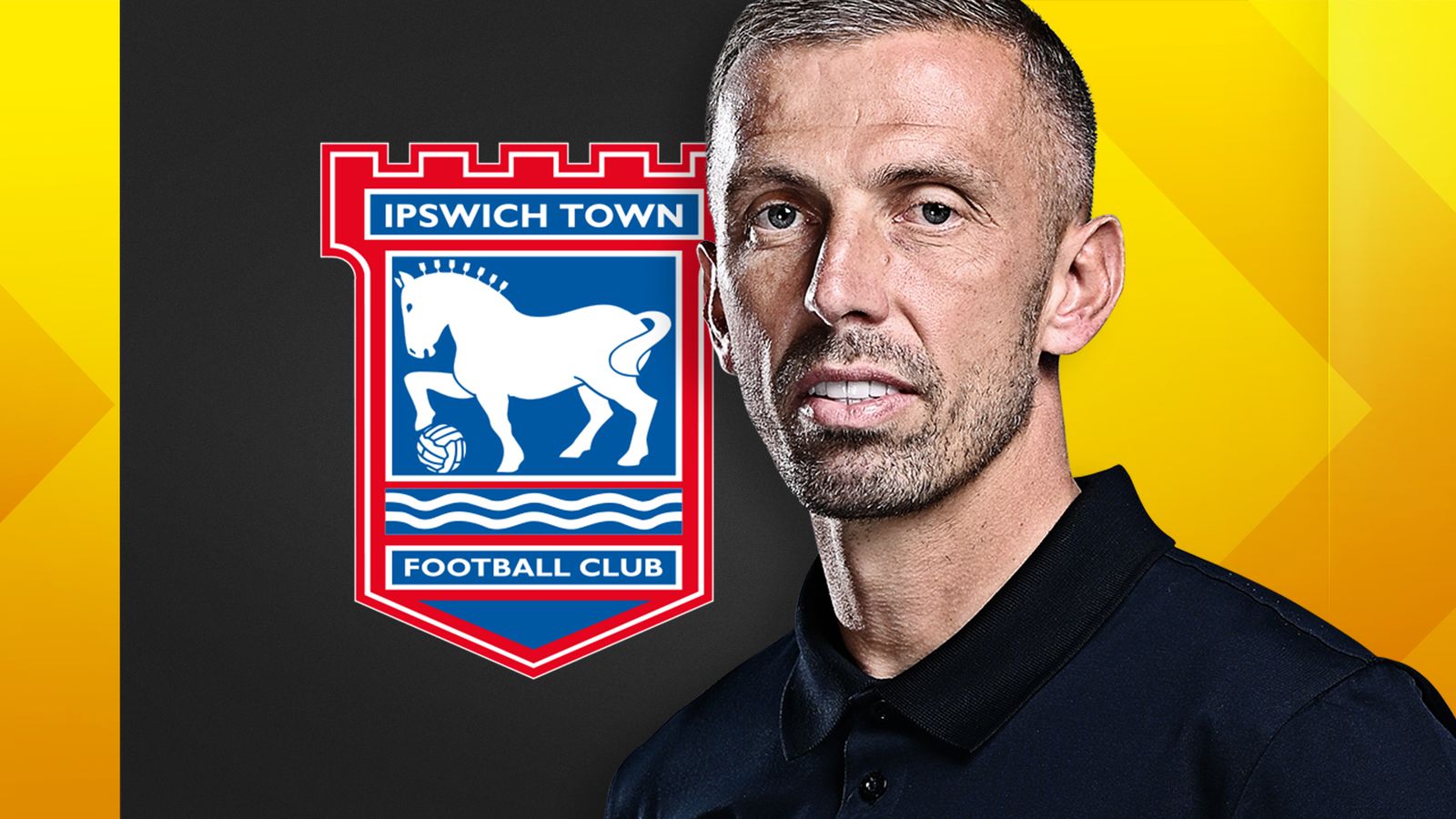
The £9m patch on a leaking midfield hull
August 7, 2026. The transfer window is sliding into its final panic phase, and Ipswich Town have just pushed Saša Lukić through his medical ahead of a £9 million move from Fulham. On paper, securing an experienced 29-year-old Serbian international on a four-year contract looks like a tidy piece of business. Look closer at Ipswich's mid-block structural collapses, however, and the deal feels less like a calculated masterstroke and more like a rushed reactive bandage.
Gary O'Neil needed press resistance and rapid ball progression through the central third. What he is getting in Lukić is a conservative recycler who prefers lateral preservation over aggressive vertical line-breaking. At Fulham, Lukić logged a modest 84% pass completion rate, but a glaringly low percentage of those passes traveled forward into the opposition penalty area. He is fundamentally a defensive cushion, not a midfield engine.
For a side struggling to escape prolonged spells of opposition pressure, bringing in a midfielder who shies away from turning under pressure is a tactical gamble. Ipswich fans might look at the experience, but the underlying numbers paint a far less flattering portrait of where this team is heading.
Tactical incompatibility and the lateral trap
In O'Neil's hybrid pressing scheme, central midfielders are tasked with double duty. They must step out to trigger central traps while maintaining enough recovery speed to cover the space behind when opponents switch play. Lukić simply lacks the dynamic ground coverage required to execute that dual role consistently over 90 minutes. His defensive action map at Fulham showed a heavy cluster of actions inside his own defensive third, rarely jumping out to disrupt build-up plays higher up the pitch.
When Ipswich attempt to build out from the back, opposition teams routinely force their pivots into wide traps. If Lukić is receiving the ball near the touchline under heavy pressure, his default instinct is to drop it back to the centre-backs rather than swivelling into central space. This lateral passivity kills transition speed, allowing opponent defensive lines to rest set and compact before Ipswich can even breach the halfway line.
As recent transfer analyses have highlighted across the league, modern top-flight survival hinges on midfield athleticism and technical bravery under pressure. Substituting true tactical profile fit for name recognition and league experience is precisely how mid-table projects stall out before autumn even arrives.
The contract length problem and long-term risk
Handing a four-year deal to a 29-year-old midfielder whose physical metrics are already plateauing is a massive financial commitment for a club in Ipswich's position. By the time Lukić hits 31, that contract becomes an unmovable fixture on the wage bill if his physical decline accelerates. We have seen this exact movie play out across mid-table clubs attempting to buy instant stability at the expense of squad elasticity.
Furthermore, Ipswich's immediate squad dynamics present an awkward puzzle. With existing central options working their way back from injury, Lukić is expected to step straight into the starting XI without a proper pre-season integration phase. Expecting an unfamiliar pivot to seamlessly coordinate defensive hand-offs with a newly assembled backline in week one is asking for miscommunications in the half-spaces.
There is also the question of tactical flexibility. If O'Neil is forced to pivot from a 4-2-3-1 to a three-man midfield to protect Lukić's mobility limitations, it sacrifices a dedicated attacking outlet upfront. Ipswich are essentially altering their entire structural balance just to accommodate a player who was deemed surplus to requirements at Craven Cottage.
A move driven by desperation rather than design
The timing of this transfer tells you everything you need to know about the planning inside Portman Road. Real recruitment strategy targets specific profiles months in advance, building clear tactical progression into every signing. Finalizing a deal on August 7 after medical checks feels entirely born out of pre-season anxiety and pre-existing injury setbacks in the squad.
If Ipswich were desperate for mid-block stability, there were younger, higher-ceiling targets across European leagues available for similar outlay. Instead, the board opted for the safest, most familiar option on the market. But in the Premier League, playing it safe in the transfer market is often the highest-risk strategy a club can adopt.
Lukić will undoubtedly put in honest shifts, win his share of aerial duels, and complete his short sideways lay-offs. Yet when Ipswich find themselves trailing in matches needing direct penetration through compact blocks, his limitations will become painfully obvious. The £9 million fee isn't astronomical, but the structural ceiling it places on this midfield might cost them far more over the course of the campaign.
Yufree Anti Slip Soccer Socks for Men 4-Pack
Say goodbye to foot slippage inside your boots.
Frequently Asked Questions
How much is the transfer fee for Saša Lukić to Ipswich Town?
What is the length of Saša Lukić's contract at Ipswich?
Why is the signing of Saša Lukić considered a tactical concern?
What specific skills does Gary O'Neil need from his midfielders?
What are the long-term risks of signing Saša Lukić?
More Coverage

Brighton exposed Arsenal's broken build-up and Arteta knows it
an hour ago
Man City visiting Arsenal in November is already a title decider
2 hours ago
Top 10: Top Moments in the England Squad Selection Saga
4 hours ago
Top 10: Defining Moments Surrounding Thomas Tuchel's England Squad Crisis
4 hours ago
Gary Neville slams Man United work rate after shameful Fulham stats
7 hours ago
Carlos Baleba is about to change how Michael Carrick's Man United plays
12 hours agoMore Analysis
Arteta admits blunder while Carragher demands Wirtz drop at Liverpool
15 hours ago
Top 10: Top Moments in Arsenal's Wonderkid Era and Title Defense
1 day, 12 hours ago
Dom Hyam faces a critical turning point at Wrexham after Scotland snub
3 days, 6 hours ago
Why Arsenal's perfect start hides genuine warning signs ahead of Ipswich
6 days, 12 hours ago
Ipswich Town just snapped a 32-game curse in pure Selhurst Park chaos
1 week, 2 days ago