
Manchester United's Marcus Rashford dilemma is reaching a breaking point

The quiet decline of an Old Trafford figurehead
Marcus Rashford finds himself at an uncomfortable crossroads. The latest reports regarding his future have trickled out of the club, suggesting a change in stance that few would have anticipated two years ago. While the transfer market often thrives on noise, the silence coming from the Carrington training complex regarding Rashford feels louder than ever.
As the Mirror reported this week, the forward is now attracting interest from clubs outside the immediate Premier League title picture. It is a stark fall from the 2022-23 season, where he notched 30 goals across all competitions under Erik ten Hag. That version of Rashford was lethal in transition, consistently finding space behind high lines.
Today, the efficiency has evaporated. His movement lacks the vertical bite that defined his best campaigns. Defenders have learned to sit off him, forcing him into congested zones where his decision-making repeatedly stalls. When he cuts inside onto his right foot, the outcome is now almost entirely predictable.
Tactical friction and the regression of output
The coaching staff at Manchester United has clearly struggled to fit Rashford into a fluid, possession-based setup. He excels in chaos, in rapid breaks that bypass the midfield. However, the current squad requirements demand sustained composure in the final third, an area where Rashford often appears disconnected from his teammates.
Consider the data from his recent appearances. The pass completion rates in the final third have dipped, and his defensive tracking remains inconsistent at best. It is difficult to justify a starting spot when the underlying metrics suggest the team functions better with a more disciplined tactical profile on the left flank.
The club leadership faces a high-stakes decision. Holding onto a high-earner who no longer fits the core tactical rhythm is a luxury they cannot afford. If a serious bid arrives, they must consider the long-term benefit of shifting his wages elsewhere to facilitate a more cohesive rebuild.
The danger of sentimental retention
One negative observation is impossible to ignore: the cycle of public backing followed by quiet frustration. Management frequently defends his commitment, yet the product on the pitch remains stagnant. This disconnect prevents the team from developing a fresh offensive identity.
If United intends to challenge for the top four, they require reliability. Rashford provides flashes of brilliance, but the consistency gap is now a canyon. A transfer would serve both the club and the player, allowing a reset that is increasingly vital for everyone involved.
Whether he moves to the continent or another domestic side, the current dynamic has run its course. The club is moving toward a philosophy of high-pressing intensity that demands total buy-in from every position. Rashford is simply not that player anymore, and keeping him based on previous history is a mistake that could cost the side dearly in the coming months.
adidas Men's Tiro 23 League Pants
The iconic training pant that belongs in every fan's wardrobe.
Frequently Asked Questions
Why is Marcus Rashford struggling at Manchester United?
How has Marcus Rashford's performance changed since 2023?
What is the primary tactical issue with Marcus Rashford?
What should Manchester United do regarding Marcus Rashford's future?
Why is keeping Marcus Rashford considered a risk for the club?
More Coverage
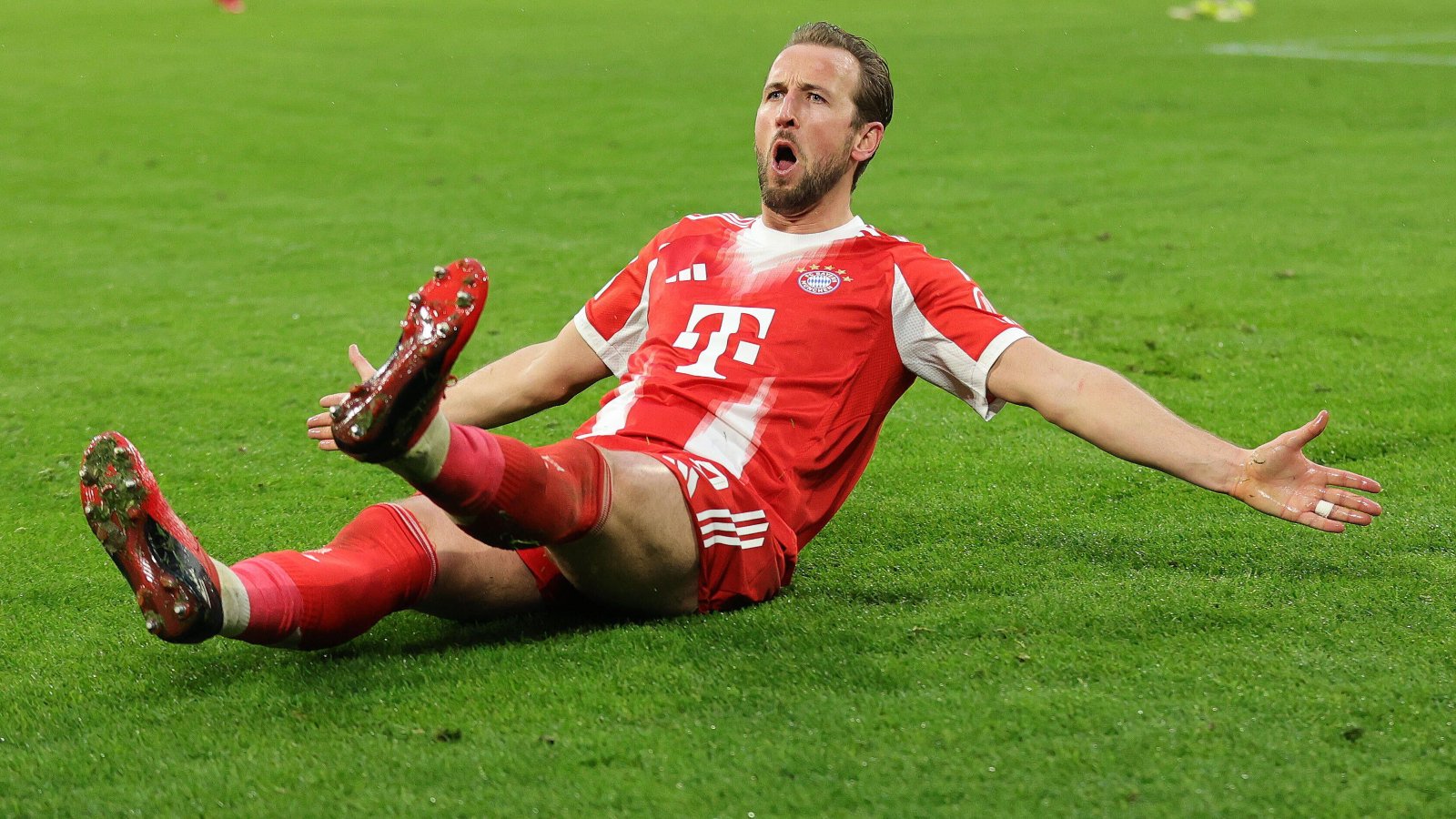
Harry Kane is closing in on a new Bayern deal with a release clause catch
10 hours agoThe Europa League is officially the most entertaining tournament in football
15 hours ago
Top 10: Top Moments
20 hours ago
Newcastle's double-pivot collapse at Leeds exposes Jaissle's tactical flaw
20 hours ago
FIFA's three-week September window is a tactical disaster waiting to happen
21 hours ago
Son Heung-min changed what it means to be an elite Premier League forward
1 day, 9 hours agoMore Analysis

Marcus Rashford is back at Man United, but his career remains in limbo
1 day, 9 hours ago
Michael Carrick has nowhere to hide after Man United's derby collapse
4 days, 13 hours ago
Why Barcelona dumped Marcus Rashford for Anthony Gordon makes total sense
1 week ago
Anthony Gordon gives Hansi Flick the chaotic engine Barcelona actually needed
1 week ago
Marcus Rashford's Old Trafford return can't mask Man United's early flaws
1 week, 2 days ago