Source Credibility: Tier 3
Information regarding the club's internal squad management has emerged via The Mirror. This assessment reflects the current reality at Old Trafford where fringe players are being cleared to balance the books and reduce squad size. The move indicates a clear shift away from the short-lived strategic preferences of the Ralf Rangnick tenure.
The Player Profile
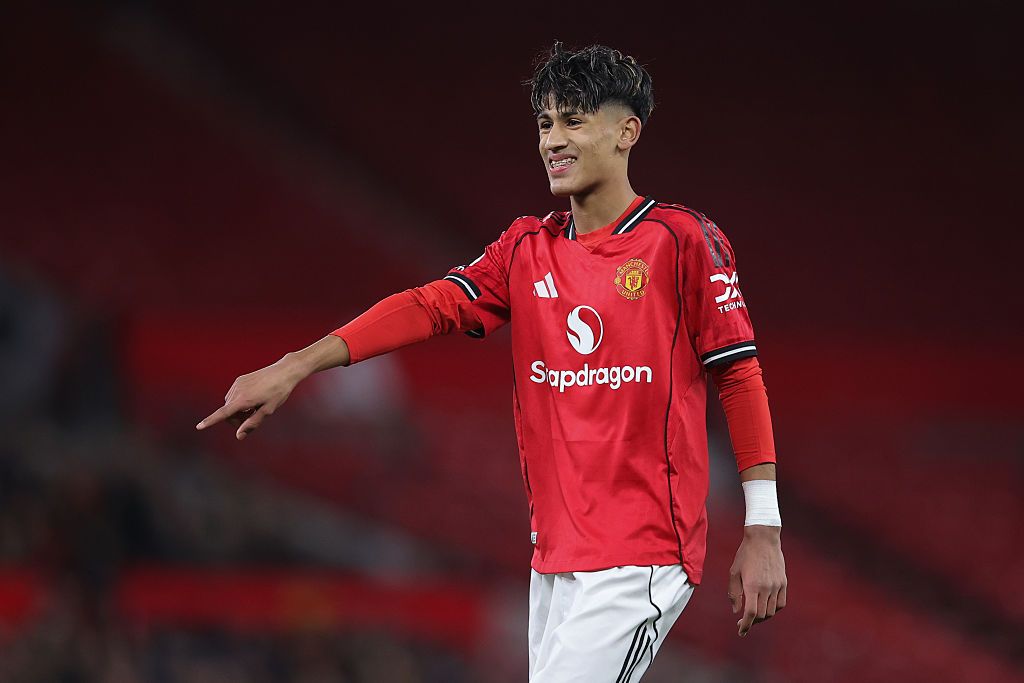
Toby Collyer stands as the subject of this anticipated exit. As a young defensive midfielder who arrived during the transitional period under Rangnick, he was initially viewed as a project for the future. He has spent the majority of his time within the academy and reserve ranks, failing to secure a consistent foothold in the first-team rotation.
His profile is technically proficient but currently lacks the physical intensity required for the rigors of the Premier League. Coaches have struggled to find a tactical home for him within the squad. He is a classic example of a prospect caught between the youth system and the senior team, unable to break the barrier of high-performance demands.
Tactical Fit and Market Realities
Manchester United’s current tactical setup demands high-energy transitions and clinical ball retention in the middle of the park. Collyer has not demonstrated the necessary explosive recovery pace to justify a spot in the matchday squad. With several new arrivals pushing into the midfield hierarchy, his path to the pitch is effectively blocked.
The financial aspect of this departure is less about a windfall and more about wage relief. While no specific transfer fee has been disclosed, the club is prioritizing permanent exits to streamline the payroll. Carrying a player who isn't contributing to the primary objective creates an inefficiency that the current management is clearly eager to prune before the window shuts.
A critical observation: keeping young players in reserve limbo for too long often results in stunted growth. By allowing an exit now, the club is admitting a missed evaluation in their development cycle. The failure to integrate a player once tipped for progress reflects a wider difficulty in bridging the gap between promise and performance.
The Competition and Timeline
Several lower-tier clubs have been monitoring the situation, though no formal bids have been finalized. The window for a permanent move remains open for the next several weeks. Given the player's age and current standing, a loan move was initially considered, but the club’s preference for a permanent sale suggests they are ready to cut the cord entirely.
Expect movement on this front as the transfer deadline approaches. When a club publicly signals a player is free to leave, it acts as a starter pistol for potential suitors. The administrative wheels are already turning to finalize his departure papers.
Probability Assessment
The probability of a permanent transfer is high. With the club openly signaling that he can leave, the intent from the leadership is clear. This is not a complex negotiation involving astronomical fees; it is a straightforward roster reduction. I would rate the likelihood of this deal reaching completion at 85% before the current summer window concludes.
Expected Impact
For Manchester United, the impact is minimal in terms of on-field results, as the player was not central to the primary game plan. The real benefit is the removal of a salary spot and the psychological clarity of shedding players who do not fit the manager's vision. For the player, this exit is a necessary reset. Moving to an environment where he can earn weekly minutes is essential for his professional survival. Remaining at Old Trafford under these circumstances would offer no upside for his career trajectory.