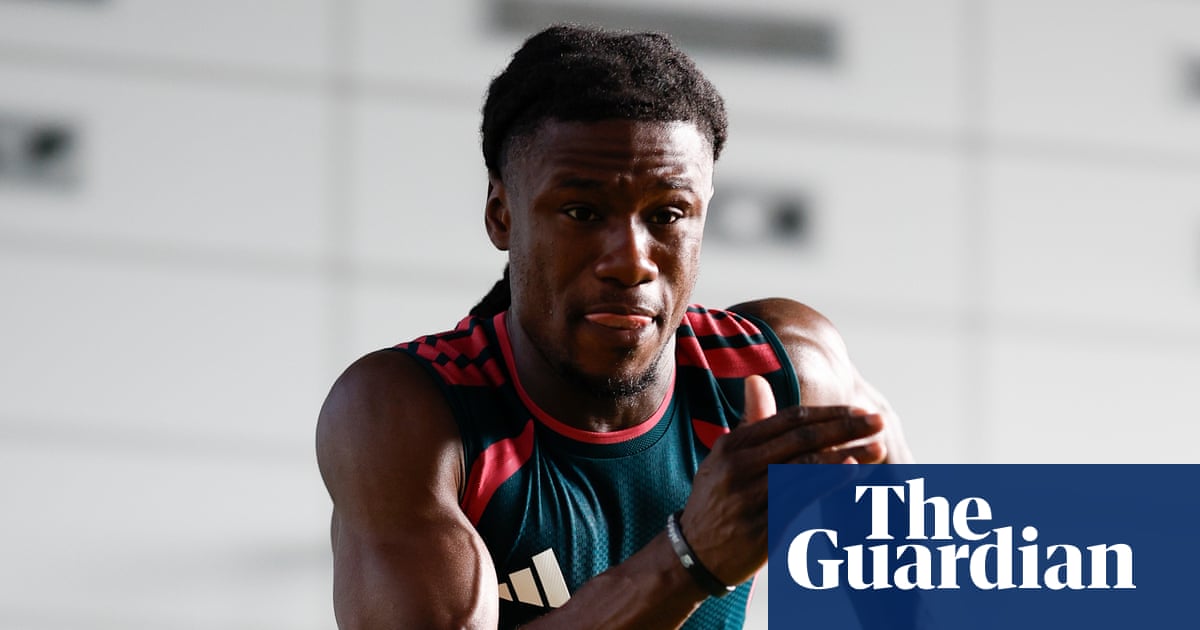
The midfield overhaul at Old Trafford
Manchester United are pushing ahead with a major restructuring of their engine room, eyeing a move for Bournemouth midfielder Tyler Adams. The club is reportedly weighing a £35 million bid as part of a wider tactical shift under Michael Carrick. This pursuit follows the successful acquisition of Chelsea’s Andrey Santos and Aston Villa’s Youri Tielemans, who arrived earlier this summer in a combined £85 million package.
As reported by the Daily Mail, the interest in Adams underscores a desire for high-intensity defensive coverage. However, the move is complicated by Adams' fitness history. His reliability will define whether this becomes a masterstroke or another high-cost dead end in a market where United has struggled to extract value from marquee signings.
The medical challenge
Adams has struggled with recurrent hamstring and lower-leg concerns since his transition to English football. These injuries forced him to miss significant blocks of action across the 2024 and 2025 seasons. For a player whose profile rests almost entirely on his ball-winning ability and ground coverage, these medical red flags are significant. The training load under Carrick is notoriously demanding, creating a direct conflict with the player's recent injury record.
Historical context suggests United may be repeating past mistakes. The club has consistently committed substantial fees to players with lingering physical vulnerabilities, only to watch their value crater during spells in the treatment room. If the medical team cannot clear his workload capacity for a full 38-game schedule, the investment risks becoming dead weight by mid-autumn.
Broader strategic implications
The pursuit of Adams is just one thread in a larger, chaotic summer for United. As reported by The Guardian, the recruitment team is concurrently vetting Eduardo Camavinga and Sander Berge. This suggests a lack of a primary cohesive vision; the club is currently chasing disparate profiles ranging from high-ceiling elite technicians to raw defensive engines.
Marcus Rashford’s continued presence on the transfer list further complicates the squad dynamics. With Barcelona signaling a clear preference for other targets after their recent high-profile signings—including the £70 million move for Anthony Gordon—Rashford’s future remains in total limbo. The front office appears to be juggling entirely too many moving parts, with no clear indicator of how the final starting XI will actually look.
The club's management seems confident they can patch these gaps through sheer spending power, but the strategy is fundamentally reactive rather than proactive. By spreading resources across multiple targets like Adams and Berge, they are diluting their ability to lock in a definitive tactical identity. The reliance on players who have failed to maintain a consistent physical baseline is a high-stakes bet that could leave the squad thin during the winter period.
Critically, the club has yet to demonstrate that they have addressed the underlying conditioning issues that derailed last season. Bringing in Adams, while physically impressive when conditioned, does not solve the fundamental lack of chemistry in the midfield pivot. If the medical staff clears his move, the expectation is an immediate start, but a failure to monitor his minutes could result in a recurring fracture of the team's balance during crucial midweek fixtures.
The bottom line is simple: adding another midfielder is clearly necessary, but adding one with Adams’ injury history requires a level of diligence United has not historically shown. If the transfer goes through, the success of the 2026 season may well depend less on technical ability and more on whether he can stay on the pitch for more than three consecutive weeks. History is not on their side.
Read Next